

Analysis of Flexible Printed Circuit (FPC) Lamination Materials
In modern electronic devices, Flexible Printed Circuits (FPCs) have become indispensable in areas such as foldable smartphones, wearable devices, and automotive electronics, thanks to their ability to bend, twist, and adapt to compact spaces. A critical step in FPC manufacturing is lamination, which bonds layers like substrates, copper foils, and coverlays into a unified, functional assembly. The performance, flexibility, and reliability of the final product depend heavily on the selection of lamination materials. This article provides a detailed analysis of the key materials used in FPC lamination, along with their characteristics and roles.
1. Substrate: The Flexible Foundation
The substrate serves as the core "framework" of the FPC, providing mechanical support, electrical insulation, and the essential flexibility. It is the foundational layer to which components like copper foils are laminated.
Key Requirements: High flexibility and durability, excellent electrical insulation, heat resistance (compatible with lamination temperatures of 120–200°C and subsequent soldering), and chemical stability (resistance to moisture, solvents, etc.).
Common Types:
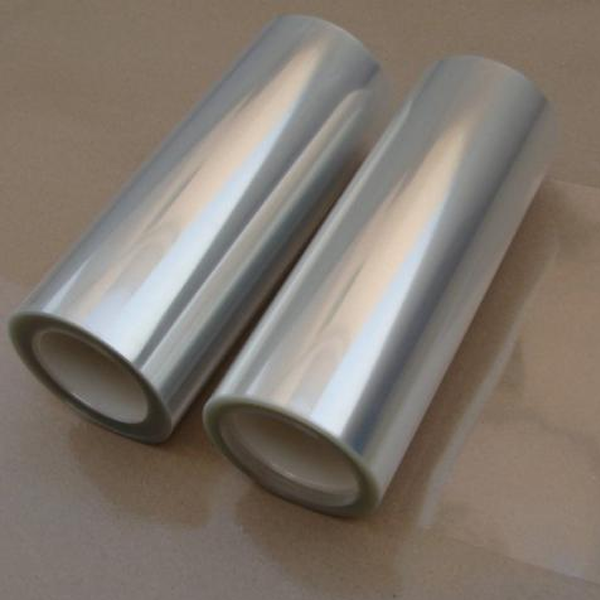
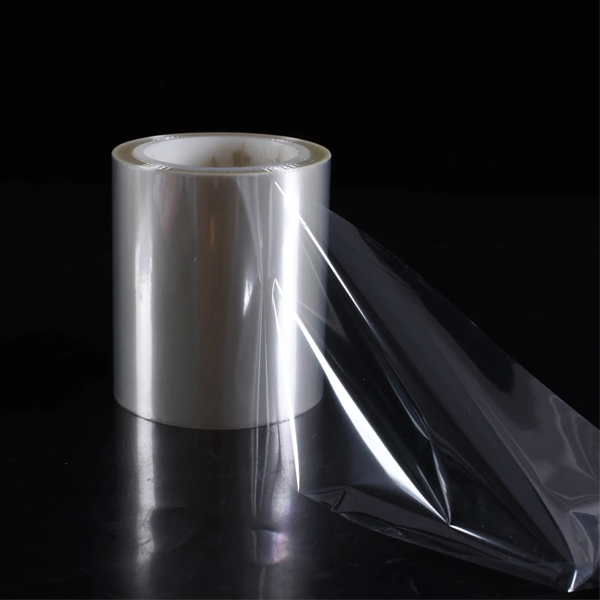
Polyimide (PI) Film: The most widely used, offering exceptional heat resistance (continuous use up to 260°C), flexibility, and insulation. Suitable for demanding applications like automotive electronics and foldable devices.
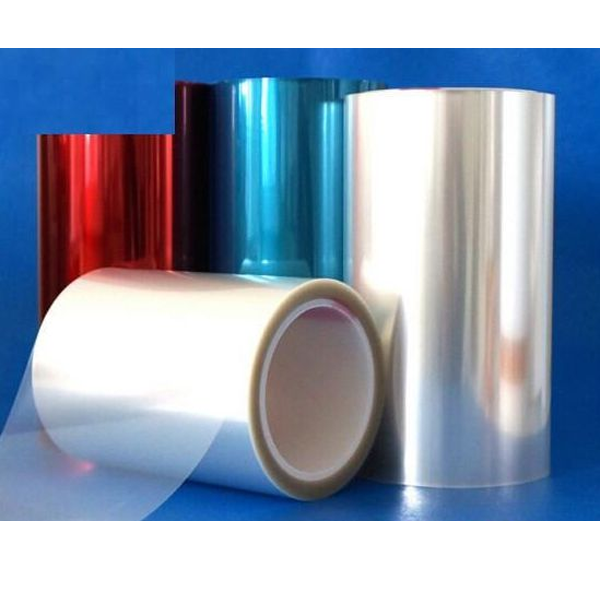
Polyester (PET) Film: A cost-effective alternative with good flexibility and insulation, but lower heat resistance (around 120°C) and flex endurance. Often used in low-stress consumer electronics.
Fluoropolymer Films (e.g., PTFE): Specialized materials for high-frequency signal transmission (e.g., 5G components) or environments requiring extreme chemical resistance. Higher cost.
2. Adhesive: The Bonding Medium
Adhesives bond substrates, copper foils, and coverlays, ensuring strong adhesion while preserving flexibility and electrical performance.
Key Requirements: High bond strength, compatibility with materials, low outgassing, electrical insulation, and retained flexibility after curing.
Common Types:
Epoxy-Based Adhesives: The most common, offering strong adhesion, good heat resistance, and insulation. Curing temperatures around 150–180°C.
Acrylic-Based Adhesives: Fast curing and flexible, but lower heat and moisture resistance. Used in low-temperature lamination or cost-sensitive applications.
Adhesive-Free Substrates: Copper is directly bonded to PI via chemical or thermal methods, enabling thinner, more flexible, and heat-resistant structures, ideal for high-end wearables.
3. Copper Foil: The Conductive Layer
Copper foil forms the conductive traces, laminated onto the substrate and etched into circuit patterns.
Key Requirements: High electrical conductivity, flexibility, strong adhesion to substrates, and a smooth surface for precise etching.
Common Types:
Electrodeposited (ED) Copper Foil: Produced by electroplating, with a rough side for adhesion and a smooth side for etching. Thickness ranges from 9 to 70 μm; thinner foils are used for high-density FPCs.
Rolled Annealed (RA) Copper Foil: Made by rolling and annealing, offering uniform thickness, excellent flexibility, and high reliability for repeated bending, as in foldable phones.
Bonding-Enhanced Copper Foil: ED or RA foils with surface treatments (e.g., zinc plating, silane coating) for improved adhesion in harsh environments.
4. Coverlay: The Protective Layer
The coverlay is laminated over the circuit traces to provide insulation, mechanical protection, moisture resistance, and chemical resistance, while maintaining flexibility.
Key Requirements: Mechanical protection, electrical insulation, flexibility, and resistance to heat and chemicals.
Common Types:
Polyimide (PI) Coverlay: The most common, matching PI substrate performance with excellent heat resistance and protection.
Polyester (PET) Coverlay: A lower-cost option for low-stress, low-temperature applications.
Liquid Photoimageable (LPI) Coverlay: A liquid resin applied and patterned via photolithography, allowing precise openings for high-density FPCs like camera modules.
5. Other Auxiliary Materials
Additional materials may be used for specific needs:
Stiffeners: Metal or plastic sheets locally laminated to provide rigidity in connector areas without affecting overall flexibility.
Adhesive Tapes: Used for temporary bonding or local protection, such as heat-resistant PI tape for masking during soldering.
Conclusion
The performance of FPC lamination relies on the careful selection of materials—the substrate provides the flexible base, adhesives ensure bonding, copper foils enable conductivity, and coverlays offer protection. Material choices must balance cost, flexibility, heat resistance, signal performance, and environmental durability. Advances in materials—such as thinner PI films, stronger adhesives, and low-loss copper foils—will continue to drive innovation in electronics, supporting evolving applications like foldable devices, miniaturized wearables, and 5G technology.
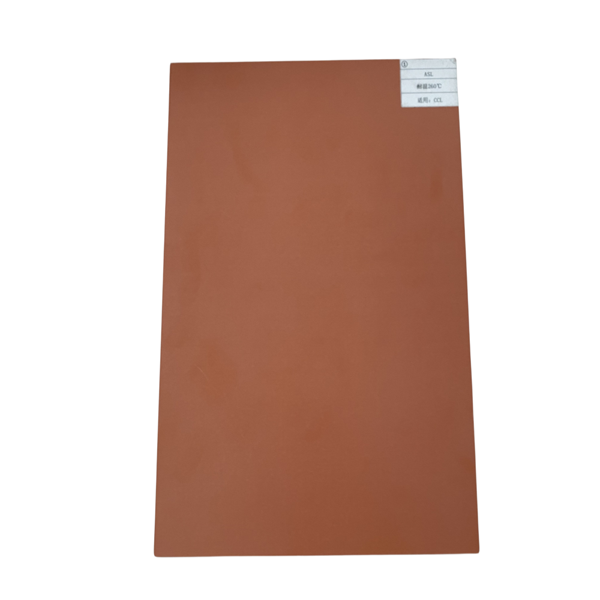
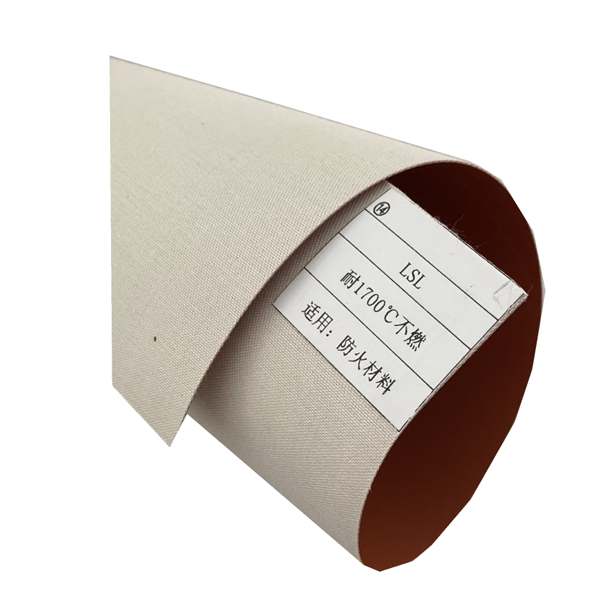
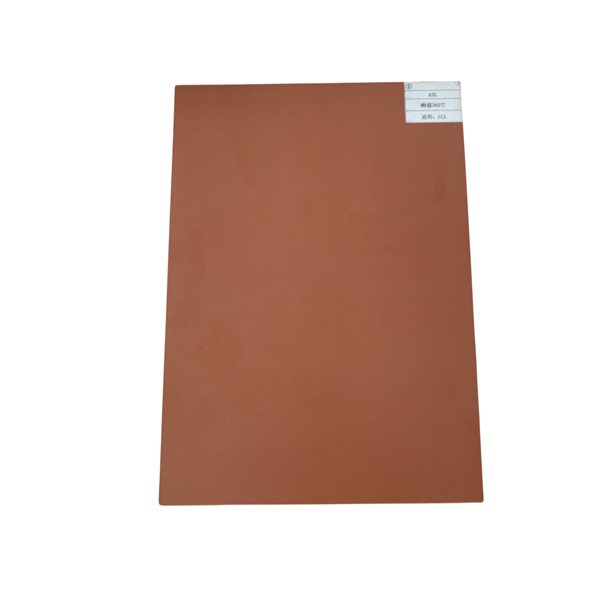
Henan Huanyuchang Electronic Technology Co.,Ltd., a subsidiary of Shenzhen Chang Universal Electronics Co., Ltd., was founded in 2009 with a strong focus on technological innovation. Specializing in the production of pressing materials such as PCB,FPC,CCL,IC carrier boards, and new energy products, the company has evolved into a prominent enterprise that integrates technological research and development, production, marketing, and technical services. In 2020, the company acquired over 110 acres of state-owned land, leading to a total construction area of 78,000 square meters.
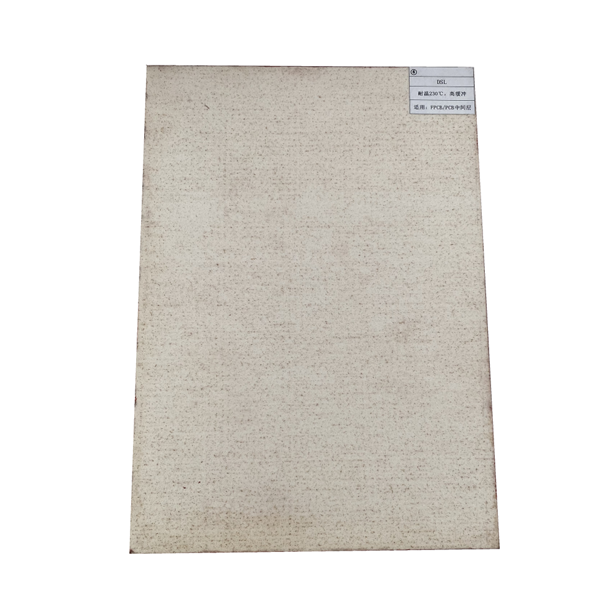
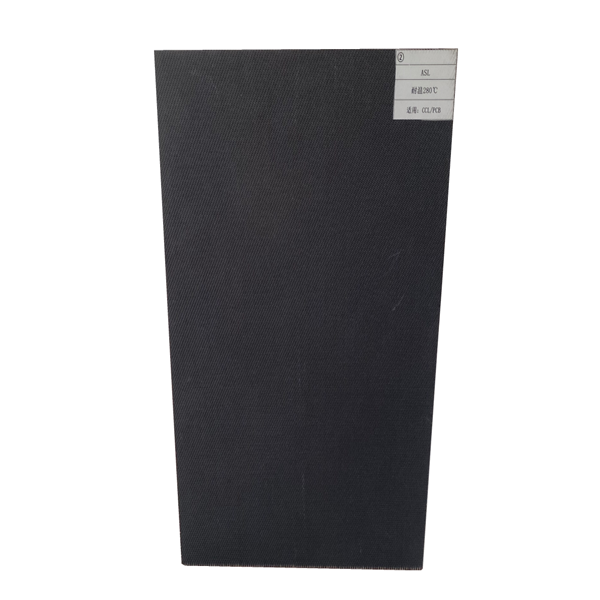
The company's key products include NAWES MATT™ press pads, Japanese metallurgical pressing steel plates, Swedish Hardox carrier plates, and hot-pressed kraft paper. Aligned with the advancements in the 5G industry, efforts have been directed towards achieving energy conservation and emission reduction in line with the requirements of Industry 4.0 for intelligent automation production. With a wide array of equipment over 100 sets, including high-frequency high-speed coating machines, dipping machines, flat press machines, vulcanizing machines, cutting machines, laser marking machines, and punching machines, the company has the capacity to produce significant quantities of its products annually. The company annual produce 1 million square meters of NAWES MATT™ press pads,100,000 pieces of pressing steel plates, 50,000 carrier plates, and 5 million square meters of hot-pressed kraft paper.
Emphasizing technological innovation, the company has fostered a research and development team known for its innovative spirit and expertise. Through continuous research and development, the company has translated technological
leadership into distinct product advantages. The NAWES MAT™ press pads product, developed independently, boasts over 20 technical patents and is ISO certified, contributing to the progress of lndustry 4.0 in China. Recognized with prestigious awards such as the national "China Good Project" award and "High-tech Enterprise" status, the company has garnered acclaim across multiple high-end industries.
As a leading manufacturer of pressing process supporting products domestically and internationally, Huanyuchang offers comprehensive one-stop services that enhance production quality and reduce costs effectively. Backed by a robust management system, a skilled technical team, and advanced German equipment, the company's products set industry standards and are in high demand both domestically and internationally.
With a commitment to technological innovation and customer satisfaction, Huanyuchang aims to deliver high-quality, efficient, and professional services globally through a well-established sales and service network. Positioned strategically for global expansion, the company is poised to continue its trajectory of growth and innovation, aspiring to become a premier global supplier of electronic materials and processes while contributing to the advancement of Chinese brands.
