

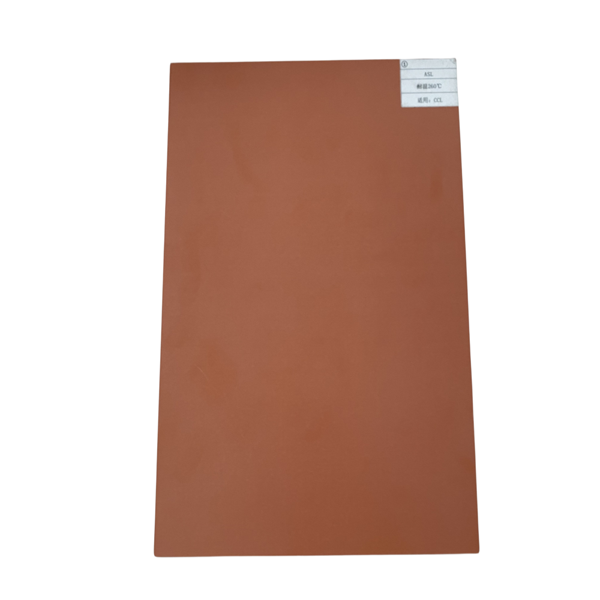
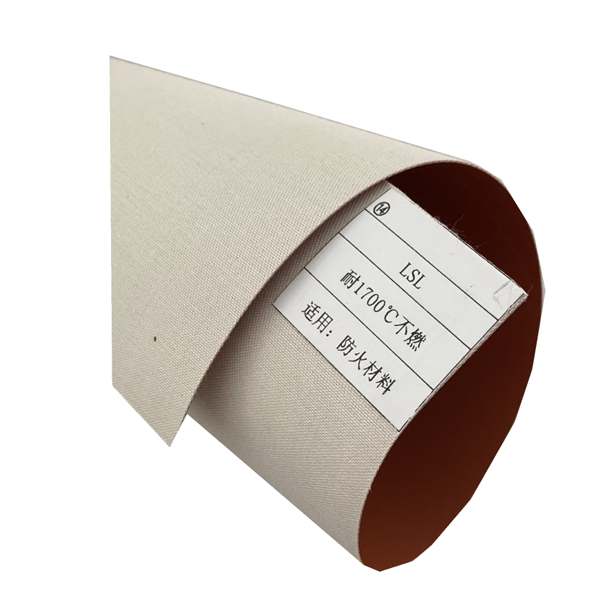
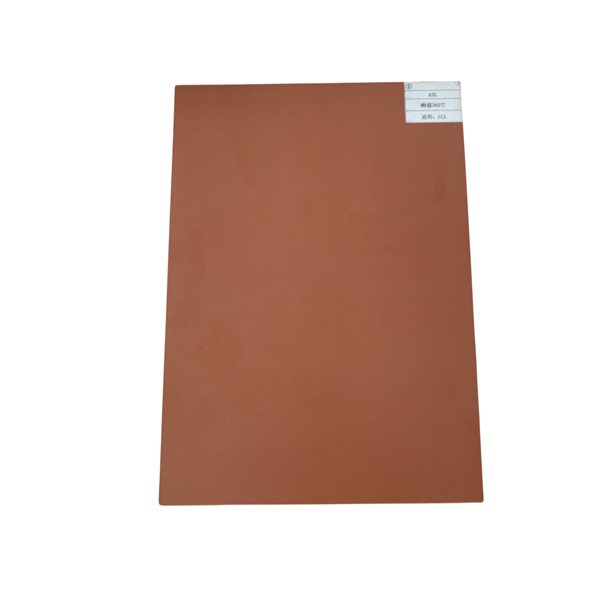
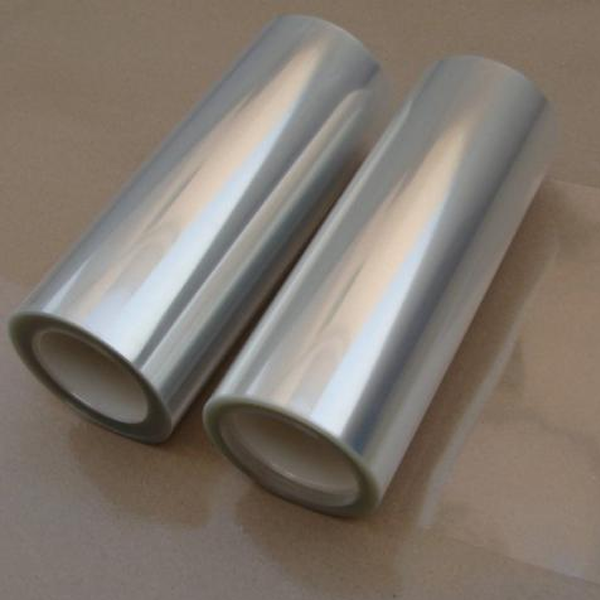
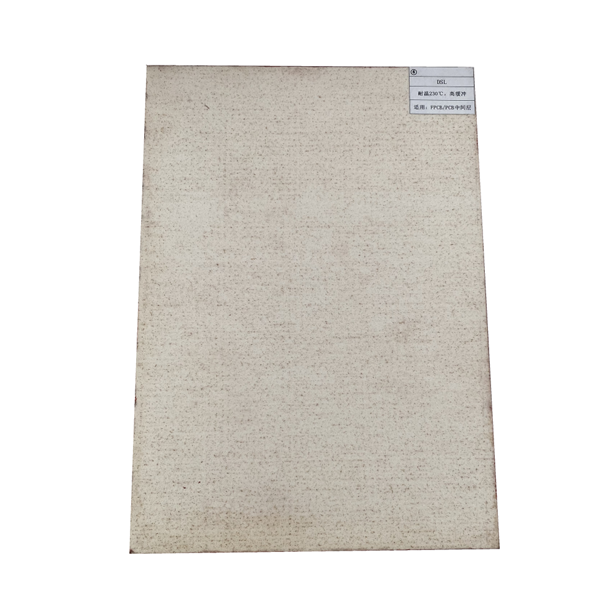
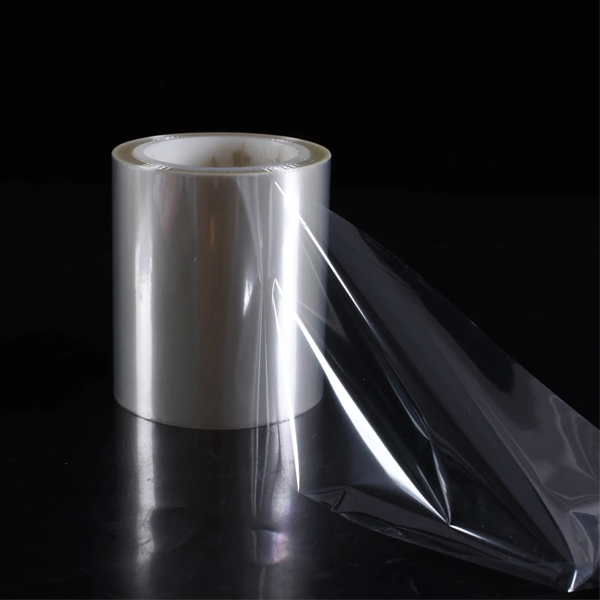
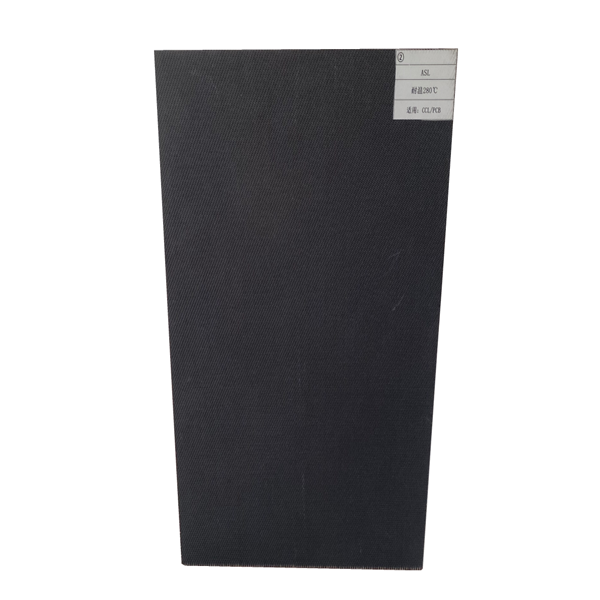
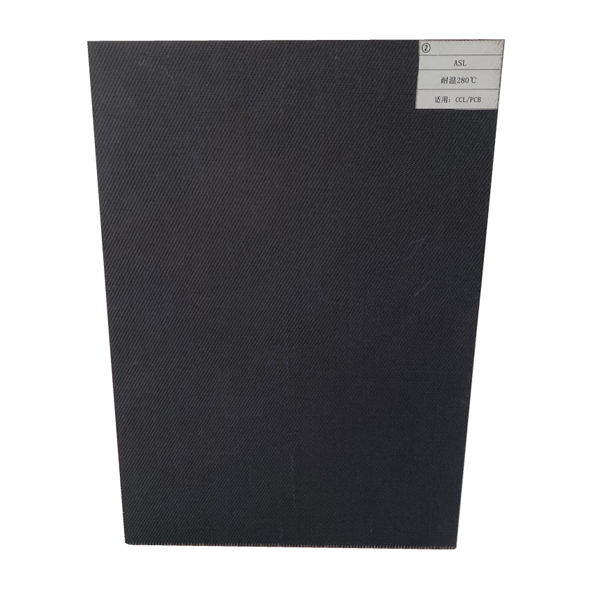
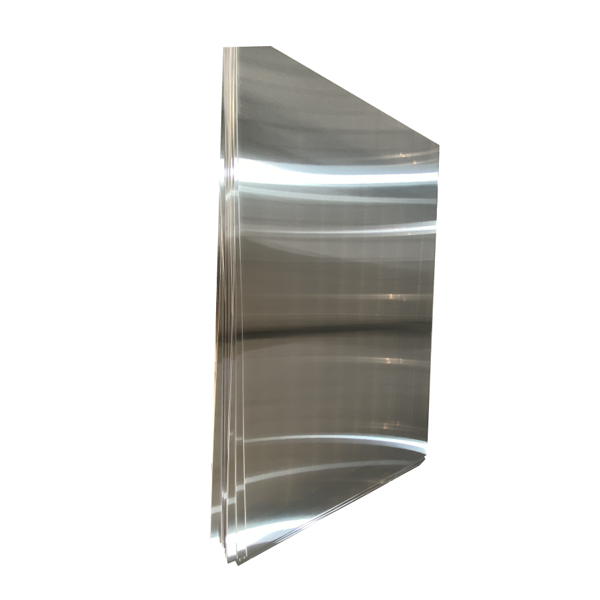
In the high-precision domain of printed circuit board (PCB) manufacturing, the lamination or hot-pressing process represents a pivotal stage where multilayer boards are fused under controlled heat and pressure. The consistency and final quality of the PCB are profoundly dependent not only on the materials and circuitry but also on the often-underestimated tooling that facilitates the process. Press plates and carrier plates (also known as caul plates or separator plates) are fundamental components in this setup, moving beyond a simple supportive function to become active enablers of dimensional stability, thermal management, and ultimate product reliability. Their design and material execution directly address the core challenges of lamination: precise alignment, thermal distribution, and the prevention of stress-induced defects.
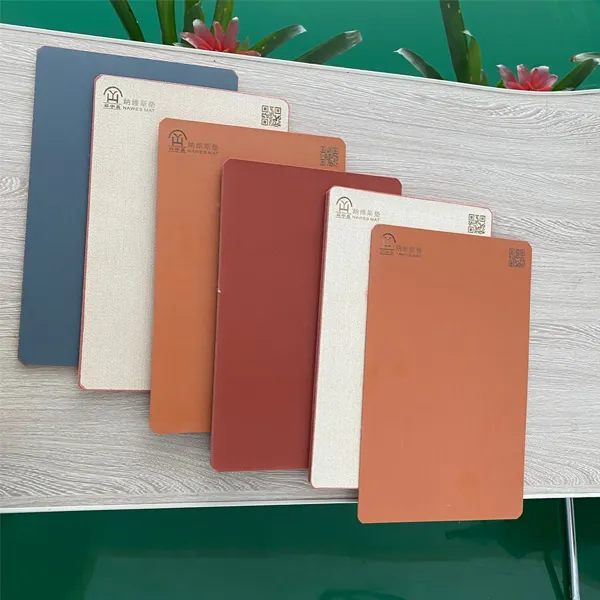
1. Precision Positioning for Uncompromised Registration
A foundational requirement in multilayer PCB lamination is the exact alignment of all inner layer cores, prepreg sheets, and copper foils. Any misregistration at this stage compounds into significant electrical and performance flaws. This is where the engineering of press plates and carrier plates becomes critical. They are precision-machined with a system of alignment holes, pins, and guides that work in concert with the press frame. This interlocking system acts as a master jig, ensuring that the entire PCB book—comprising the stacked materials—is held in a fixed, immovable position throughout the pressing cycle. The plates themselves maintain exceptional dimensional stability, resisting flex or warp under the extreme tonnage of the press. This unwavering mechanical foundation prevents any shear movement between layers as the resin flows and cures, securing perfect layer-to-layer registration. The result is the reliable production of high-density interconnect (HDI) boards and multilayer designs where tolerance margins are measured in microns, safeguarding the integrity of vias, pads, and fine-line traces.
2. Ensuring Thermal Balance and Uniform Cure
The hot-pressing process is, at its heart, a precisely controlled thermal event. Achieving a uniform glass transition temperature (Tg) and complete, consistent resin polymerization across the entire PCB panel is non-negotiable for reliable performance. Press and carrier plates are central to this mission. Fabricated from materials with high thermal conductivity—such as specialized tool steels or advanced composites—they function as massive, flat thermal planes. Their high degree of flatness (often specified within a few microns over the entire surface) ensures intimate, full-area contact with the PCB stack. This eliminates insulating air gaps that would create local hot or cold spots. As the press platens apply heat, the plates efficiently and evenly conduct this energy into the workpiece. Conversely, they also aid in controlled heat dissipation during the cooling phase. This balanced thermal management is crucial for minimizing thermal gradients across the panel. By ensuring the entire board cures as a single, homogeneous unit, the process prevents the development of differential cure stresses, internal delamination, and voids, which are primary causes of latent field failures.
3. Combating Warping and Dimensional Instability
Perhaps the most visually evident and functionally detrimental defect in PCB manufacturing is warping or twisting of the finished board. This distortion arises from uneven mechanical stress or asymmetric thermal expansion during lamination. The structural role of press and carrier plates is to act as a passive constraint system that actively promotes planar stability. Their mass, rigidity, and superior surface finish ensure that the immense, multi-ton pressure of the press is distributed with perfect uniformity across every square centimeter of the PCB. This uniform application of force suppresses the tendency of individual layers to shift or expand at different rates. It ensures that the flow of semi-cured resin is even and lateral, preventing resin-rich or resin-starved areas that can lead to asymmetric stresses upon cooling. By maintaining a perfectly flat plane throughout the entire heat-pressure-cool cycle, the plates mechanically "train" the curing PCB to retain its intended shape. This results in boards that meet stringent flatness specifications, which is essential for subsequent assembly processes like automated surface-mount technology (SMT) placement, where coplanarity is critical for soldering success. Furthermore, preventing warpage eliminates stresses on plated through-holes and microvias, directly contributing to the long-term mechanical and electrical reliability of the assembly.
Conclusion: An Investment in Process Integrity
In summary, press plates and carrier plates are far from passive fixtures; they are precision-engineered process control components. Their contribution spans the entire lamination sequence: initial mechanical registration, dynamic thermal management, and final dimensional stabilization. Investing in high-quality, meticulously maintained plates is a direct investment in first-pass yield, reduced scrap rates, and the production of robust, reliable PCBs capable of meeting the demands of modern electronics. They provide the stable, predictable, and uniform environment that allows advanced materials and intricate designs to realize their full potential, forming the unheralded backbone of quality in multilayer PCB fabrication.
