

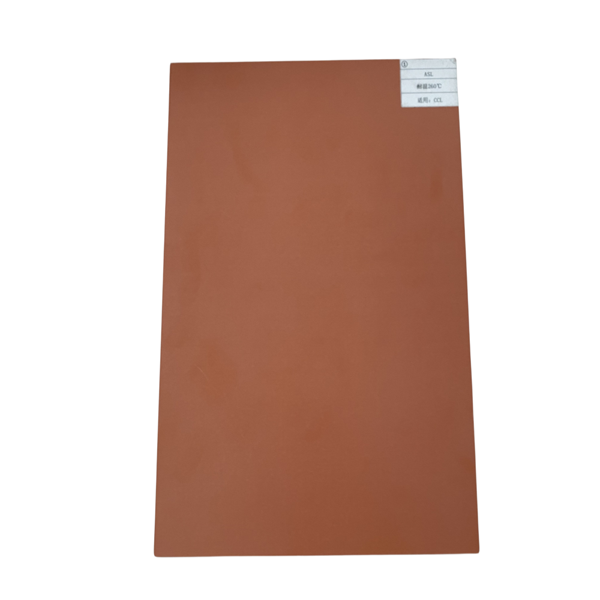
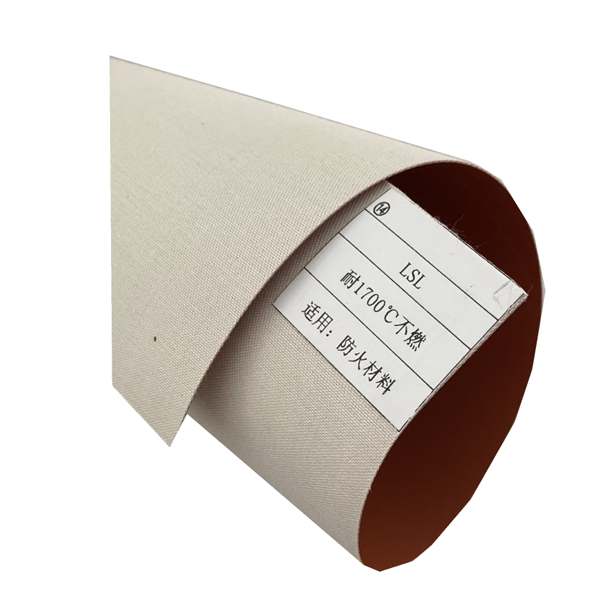
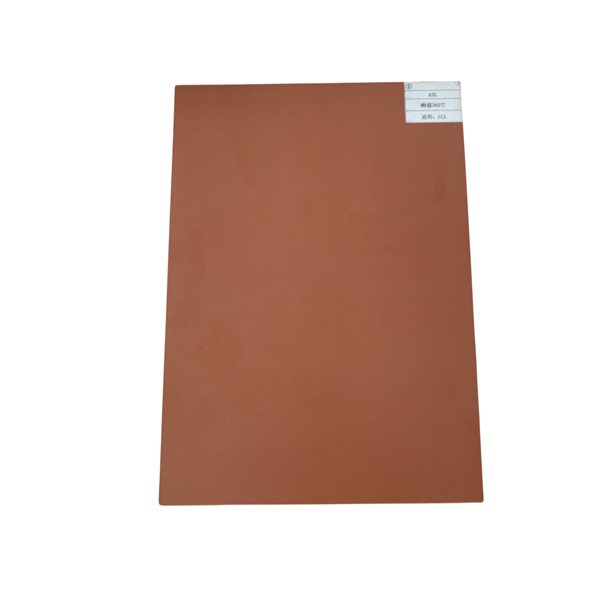
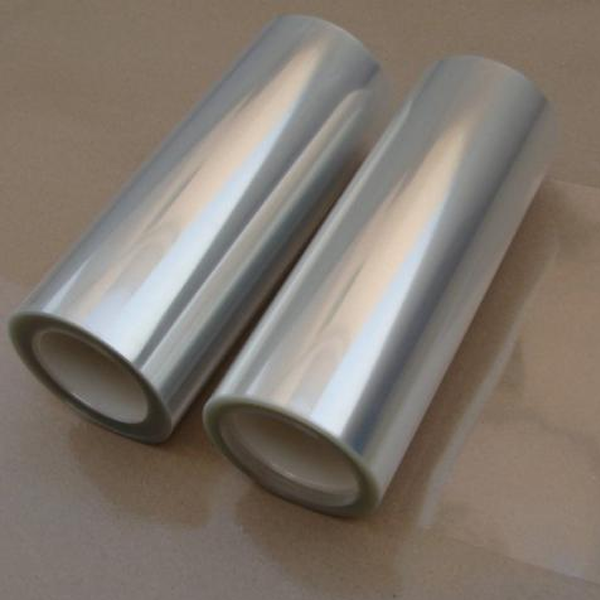
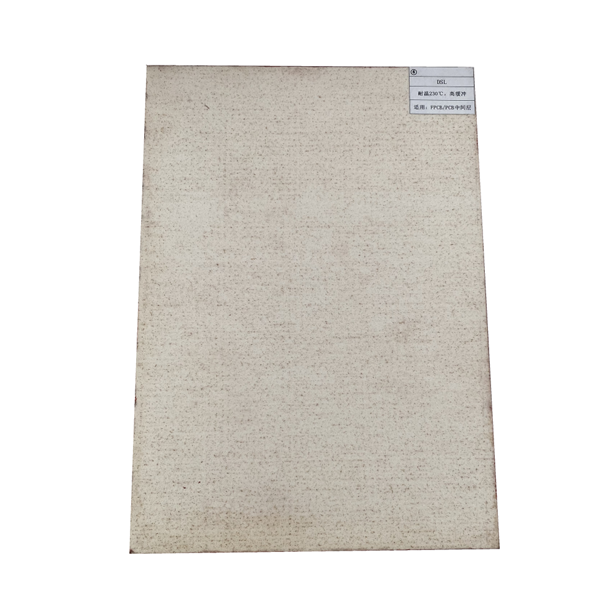
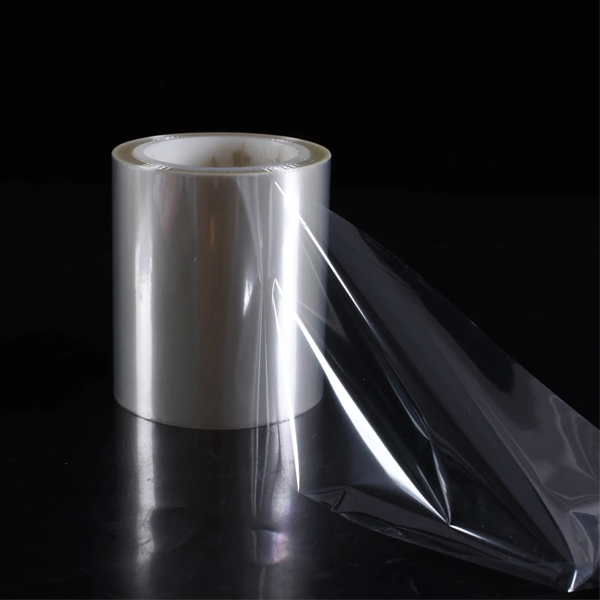
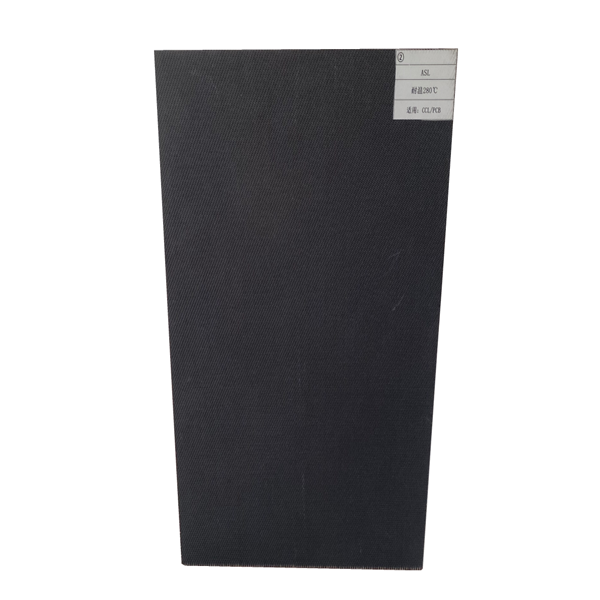
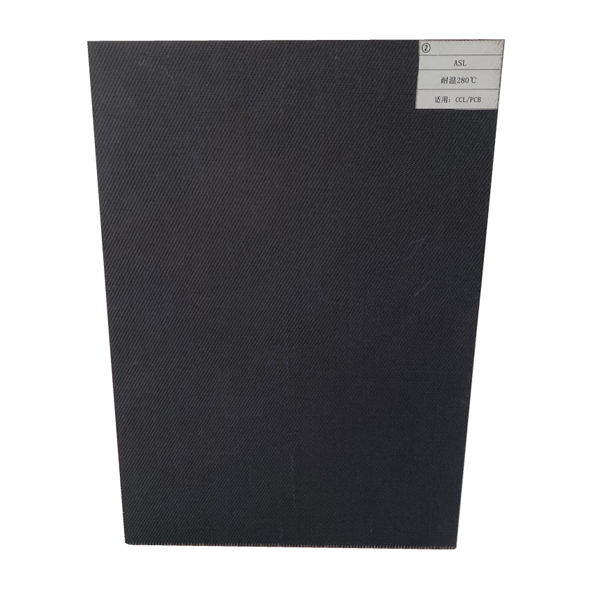
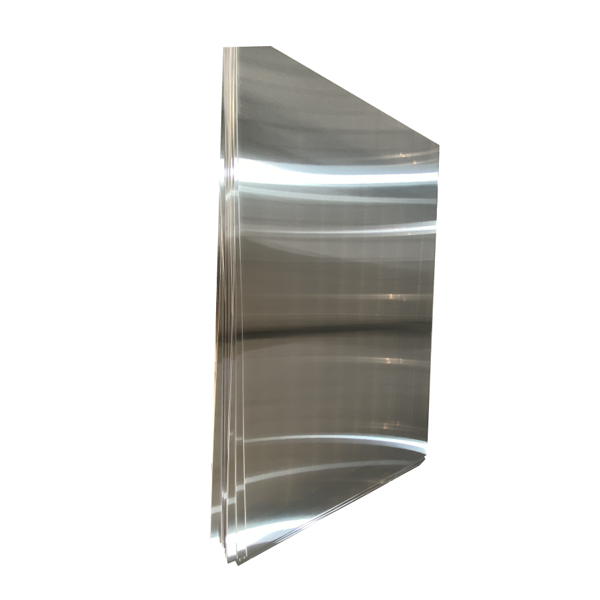
While kraft paper is low-cost, its performance shortcomings become evident in high-density, high-reliability PCB manufacturing.
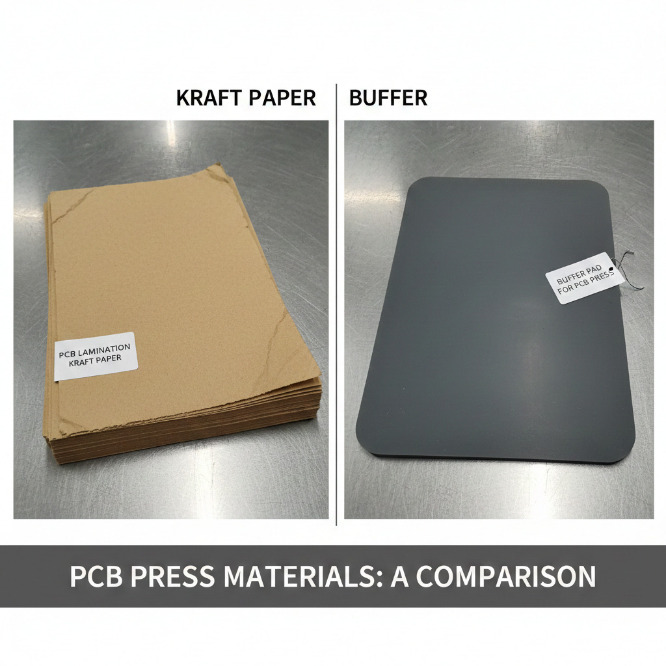
1. Key Limitations of Kraft Paper vs. Advantages of Cushion Pads
The table below highlights the critical differences, demonstrating why cushion pads offer superior value:
Comparison Dimension | Traditional Kraft Paper | High-Performance Cushion Pad | Value to Customers |
Lifespan | Single-use; fibers break after lamination, losing resilience. Must be replaced every time. | Reusable 500–1000 times; excellent fatigue resistance. | Cost reduction: Per-use cost drops to 1/10 or lower, yielding significant long-term savings. |
Pressure Uniformity | Fiber structure deforms under pressure, causing uneven distribution and inconsistent board thickness. | High-resilience silicone/aramid structure ensures even pressure distribution and uniform thickness. | Quality improvement: Eliminates thickness deviations, white edges, or whitening defects. |
Heat Conduction | Slow thermal conduction; steep temperature rise risks premature outer-layer resin curing. | Controllable thermal conductivity enables uniform heating, ensuring synchronized inner/outer layer curing. | Efficiency gain: Reduces delamination and voids, improving yield. |
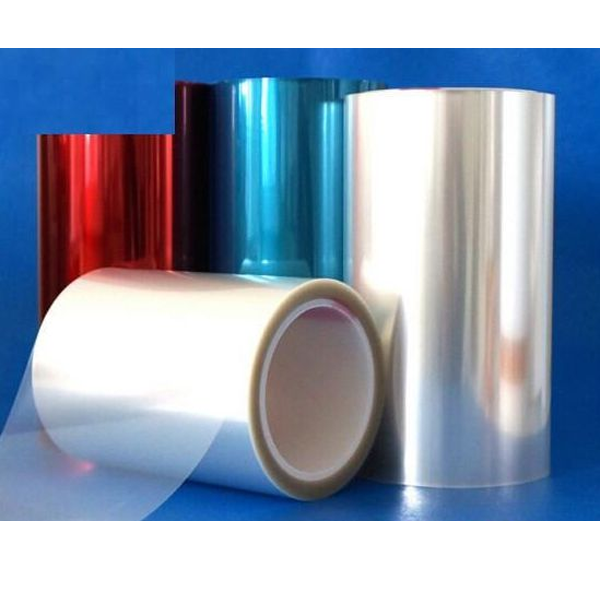
Cleanliness | Prone to shedding fibers, contaminating plates and causing dents. | Surface coated with release film (e.g., Teflon); no shedding or sticking to steel plates. | Ease of use: Less frequent plate cleaning, lower maintenance costs, no foreign material ingress. |
Environmental & Storage | Absorbs moisture, sensitive to seasonal changes, requires careful storage, consumes wood resources. | Weather-resistant, humidity-insensitive, easy to store, and recyclable. | Compliance: Meets eco-standards and reduces waste disposal costs. |
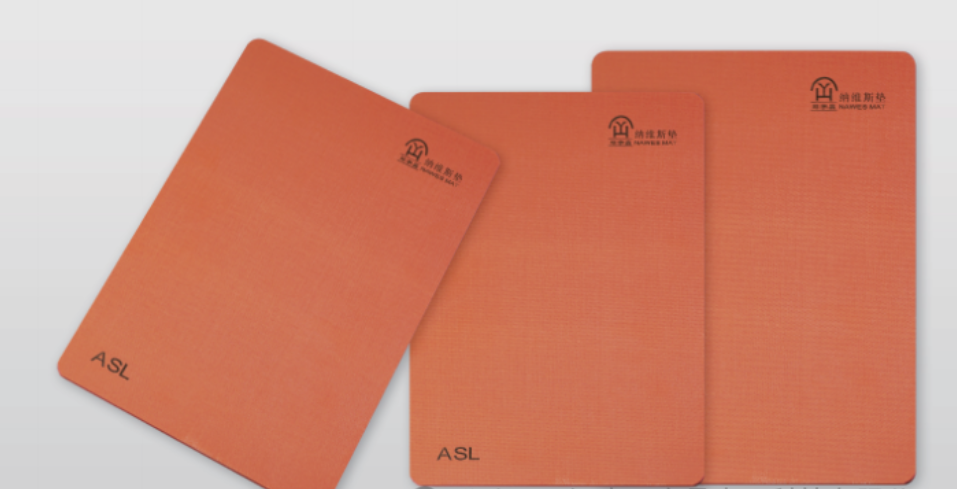
2. Needs Analysis by Customer Type
Different PCB products require tailored buffer solutions:
· High-Density/HDI Boards: These demand precise layer alignment and thickness control. Kraft paper’s fiber “creep” under pressure can cause layer misregistration. Cushion pads with aramid fibers enhance dimensional stability, ensuring registration accuracy and higher yield.
· High-Frequency/Speed Boards: Sensitive to dielectric constant (Dk) and loss factor (Df), these boards require minimal resin voids. Kraft paper’s uneven pressure distribution may cause insufficient resin fill. Cushion pads provide uniform pressure, improving resin flow and reducing signal loss.
· Cost-Sensitive/High-Volume Production: While kraft paper seems cheaper upfront, its per-board cost adds up due to frequent replacement and labor. Cushion pads, though pricier initially, last months—cutting per-board cost to cents. ROI is often achieved within six months, factoring in reduced scrap and plate maintenance.
3. A “Risk-Free” Validation Plan
To address concerns about process disruption, we propose a safe trial approach:
1. Free Samples: Provided in sizes matching existing steel plates (3–5 mm thickness, adjusted for press tonnage).
2. Parameter Adjustments:
o Pressure: Reduce by 5–10% initially to avoid over-compression.
o Heating Rate: Faster heating is possible due to better thermal conductivity, but monitor surface temperature to prevent outer-layer overcuring.
3. Validation Metrics:
o Physical: Compare thickness uniformity (9-point measurement) and warpage before/after switching.
o Reliability: Evaluate post-thermal stress (288°C, 10s) delamination and resin fill via cross-section analysis.
4. Selection and Maintenance Guide
We provide expert guidance to ensure optimal performance and longevity:
· Selection Guidelines:
o Standard FR-4/Multilayer Boards: Use silicone pads for cost-effectiveness and resilience.
o HDI/High-Frequency Boards: Choose aramid-reinforced or Teflon composite pads for superior stability and smoothness.
o Rigid-Flex Boards: Opt for 3-layer composite release film pads with a gel-like core for flexible lamination.
· Maintenance:
o Clean regularly with specialized solvents to remove resin residue; avoid sharp tools.
o Store flat to prevent permanent creases.
o Replace when thickness decreases by >10% or visible indentations appear.
Conclusion
The decision to switch should consider total cost of ownership (materials + labor + yield loss)—not just unit price. Data confirms that cushion pads’ benefits in yield improvement and maintenance reduction far outweigh their initial investment.
