

Common Release Film Types in FPCB Lamination
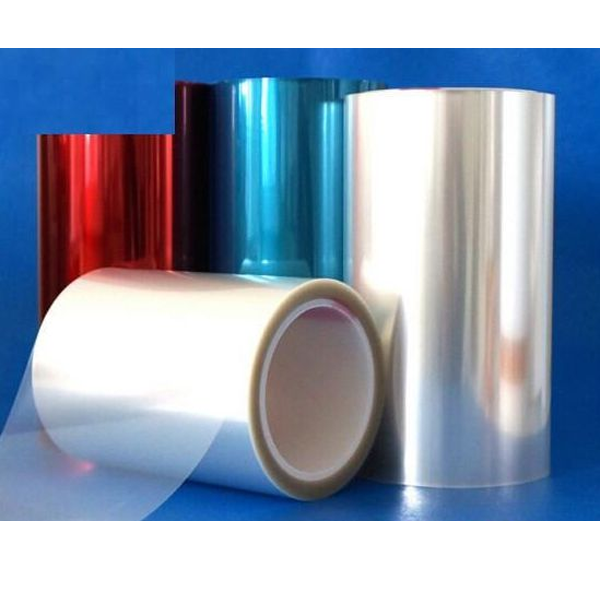
In flexible printed circuit board (FPCB) manufacturing, the lamination process is critical. Release films prevent materials from sticking during lamination, help the process run smoothly, and protect the FPCB surface quality. Below are the most common types used.
Polyester (PET) Release Films
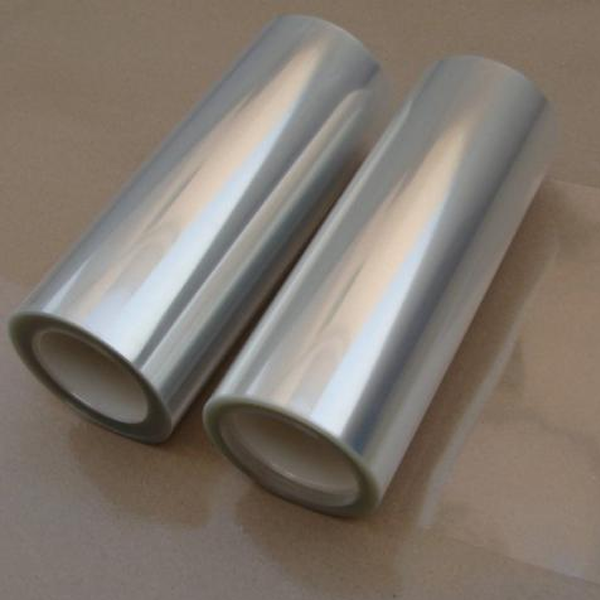
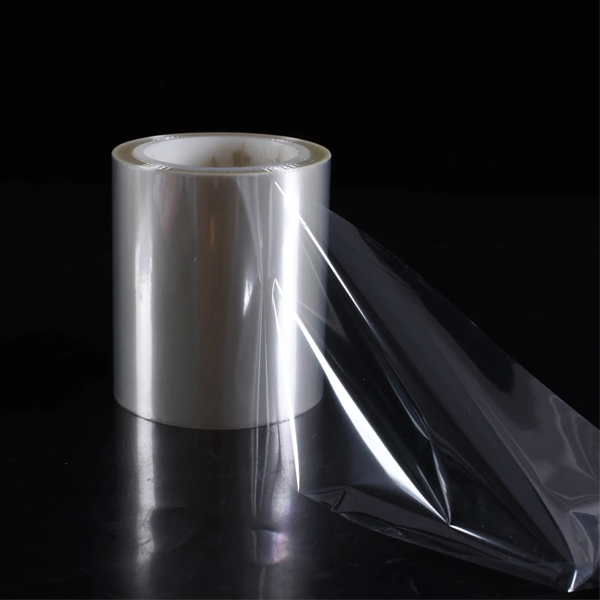
Polyester films are widely used in FPCB lamination. They consist of a PET base coated with a release layer.
Material Properties: PET offers high tensile strength and good dimensional stability, holding up well under lamination pressure and temperature without significant deformation. It also resists many common solvents and adhesives used in FPCB production.
Release Performance: The coated surface provides consistent and reliable release, allowing clean removal after lamination without leaving residue. This helps maintain surface cleanliness and circuit performance.
Typical Uses: PET films work in various lamination steps, such as bonding copper-clad laminates and prepregs. They are often chosen for standard FPCB production under medium temperature and pressure conditions.
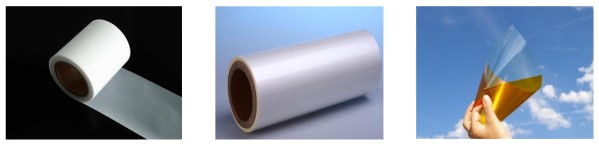
Polyimide (PI) Release Films
Polyimide films are chosen for high-performance FPCB applications due to their thermal and mechanical properties.
Material Properties: PI withstands very high temperatures—often above 200°C—making it suitable for demanding lamination processes. It also provides good mechanical strength and electrical insulation.
Release Performance: Like PET films, PI uses a coated release layer, with peel force adjustable to process needs. It ensures stable release even in high-temperature settings.
Typical Uses: These films are common in high-temperature lamination, such as in aerospace or military FPCBs that must endure extreme operating conditions.
Fluorinated Release Films
Fluorinated films are known for their easy release and strong chemical resistance.
Material Properties: The fluorinated surface has very low adhesion, which prevents sticking. It also offers strong resistance to acids, bases, and organic solvents encountered during lamination.
Release Performance: These films have extremely low peel force, reducing the risk of damaging sensitive FPCB surfaces or specialty adhesives during removal.
Typical Uses: They are often selected for laminations involving special adhesives or chemical treatments, such as in medical-grade FPCBs where surface integrity and chemical resistance are critical.
Key Selection Factors
Choosing the right release film involves several considerations:
Lamination conditions – temperature and pressure requirements dictate the needed heat resistance and strength.
Adhesive type – compatibility and required release force depend on the adhesive used.
FPCB surface quality – smoothness and cleanliness standards influence film choice.
Cost – balancing performance with production cost is essential for economical manufacturing.
Summary
Different release films serve distinct roles in FPCB lamination. PET films are versatile for general use, PI films suit high-temperature processes, and fluorinated films meet needs for easy release and chemical resistance. Understanding these options helps manufacturers select the right film, leading to consistent lamination results and better overall FPCB performance.
