

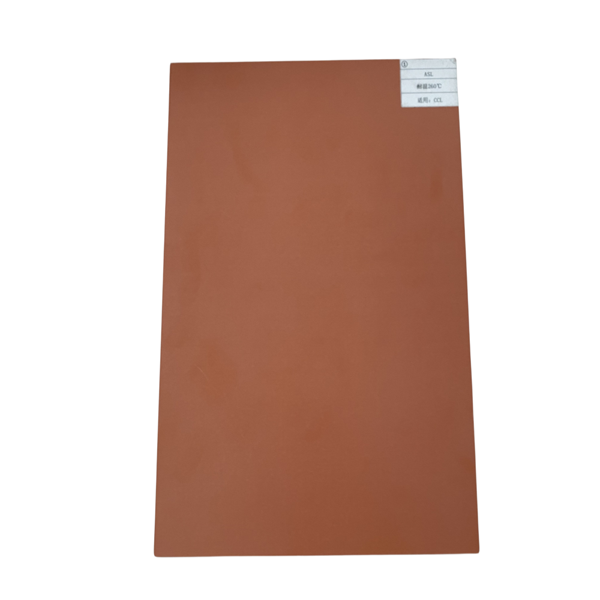
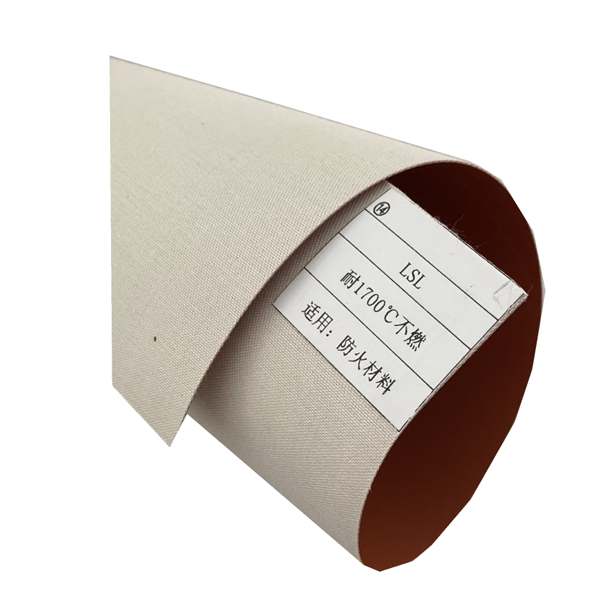
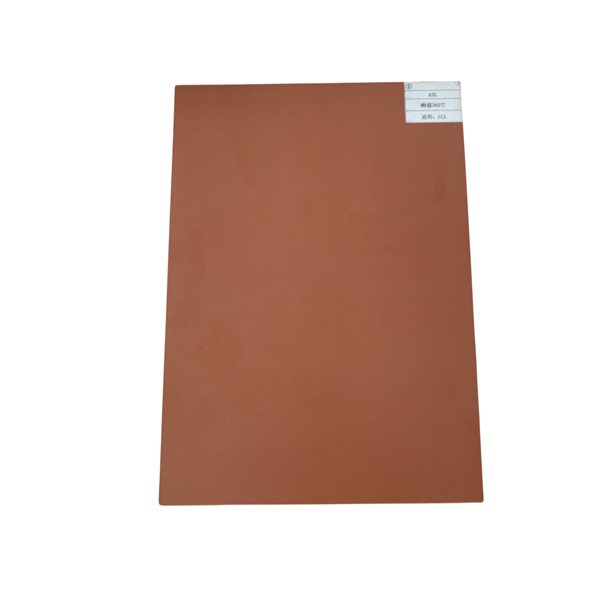
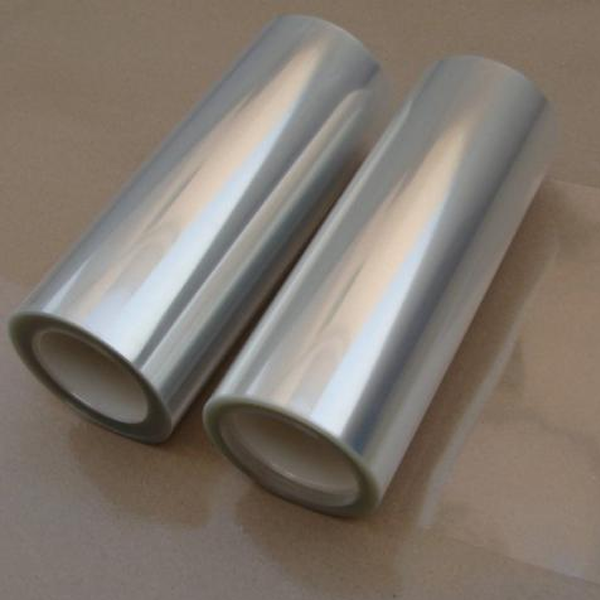
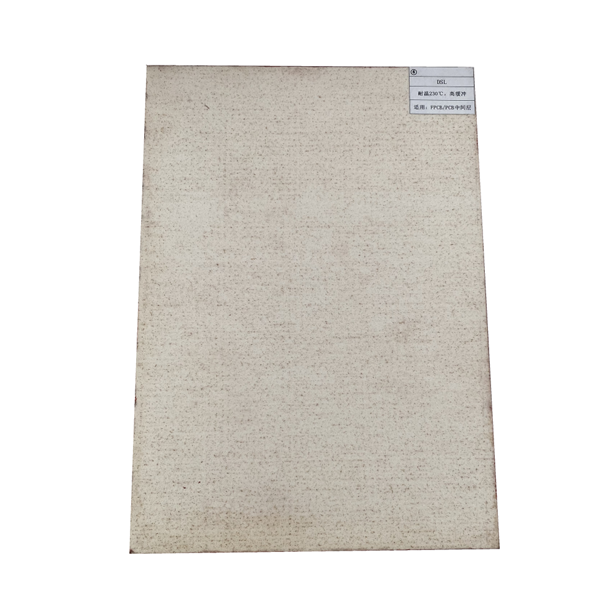
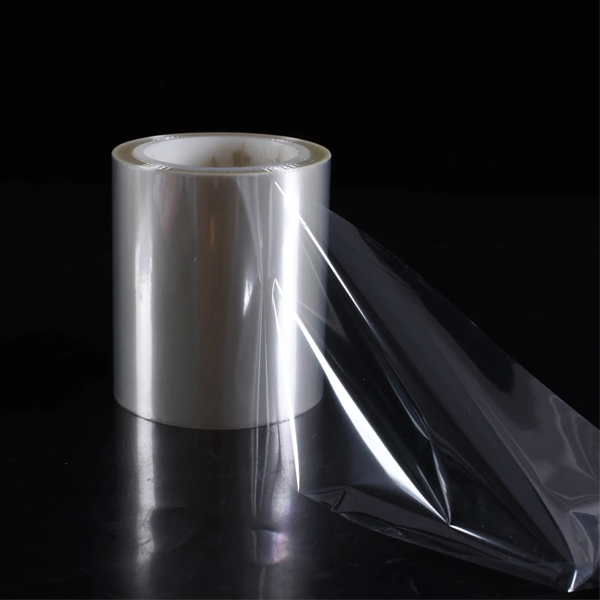
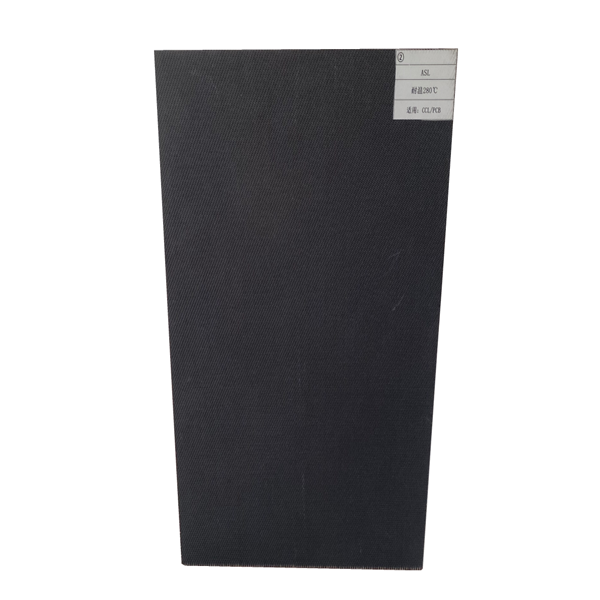
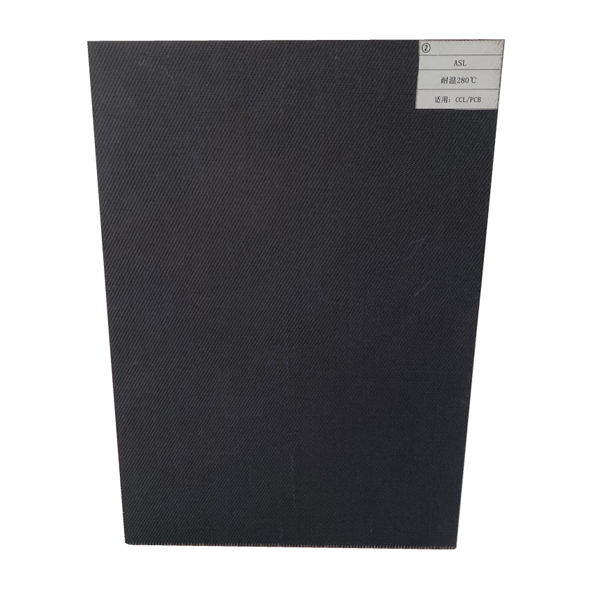
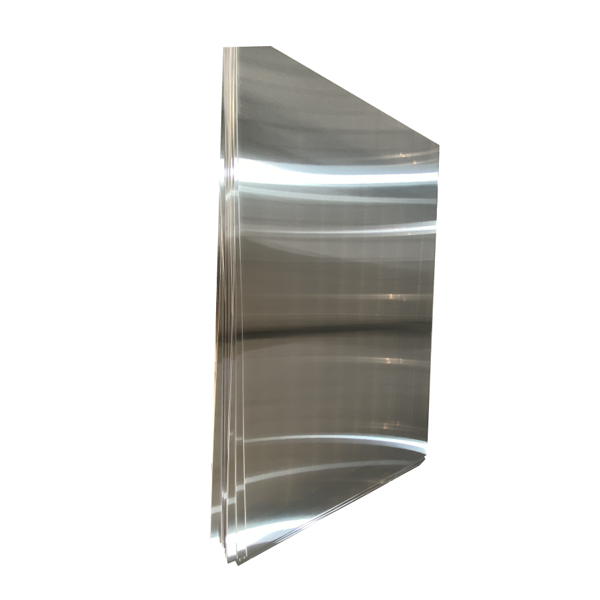
In the manufacturing of Copper Clad Laminates (CCL), the lamination process subjects materials to high temperatures and pressures to bond dielectric layers and copper foils. Within this critical stage, high-temperature cushioning pads play an often-understated yet essential role. Their primary function is to ensure uniform pressure and heat distribution across the laminate stack, absorb minor surface irregularities, and protect both the pressing platens and the CCL product from damage. Selecting the appropriate cushioning pad is therefore not merely a procurement decision but a technical specification that directly influences product quality, yield, and process stability. Below is a detailed analysis of the critical factors to consider.
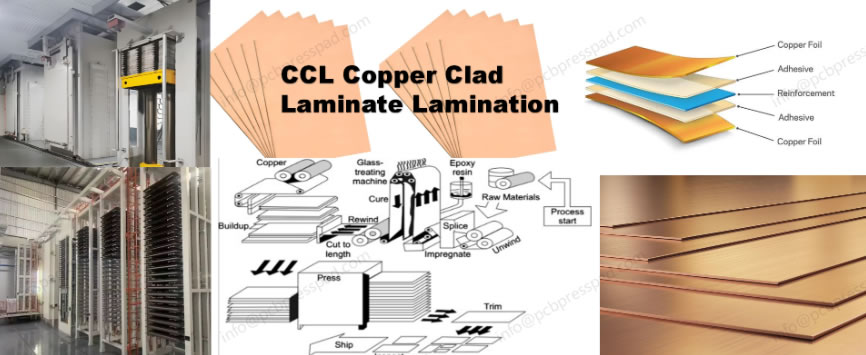
1. High-Temperature Performance and Stability
The paramount criterion is the material's ability to perform consistently under prolonged exposure to the specific lamination temperature profile. CCL lamination typically operates between 180°C to 220°C, and sometimes higher for advanced materials, under significant pressure. The pad must not only withstand these temperatures without melting, degrading, or undergoing excessive thermal expansion/compression but also maintain its functional properties (elasticity, thickness, surface texture) over hundreds of press cycles. Key data points to verify from the supplier include the Continuous Service Temperature and the Heat Deflection Temperature. The material should have a proven history of stability at or above your maximum process temperature, with minimal outgassing, which can contaminate the laminate or press.
2. Material Composition and Properties
The choice of base material defines the pad's core capabilities. Common high-performance options include:
Silicone Rubber (Solid or Sponge): Offers excellent flexibility and a wide operational temperature range (often -60°C to 230°C+). High-temperature grades maintain resilience and are easy to clean. Silicone sponge variants provide superior compressibility for uneven surfaces.
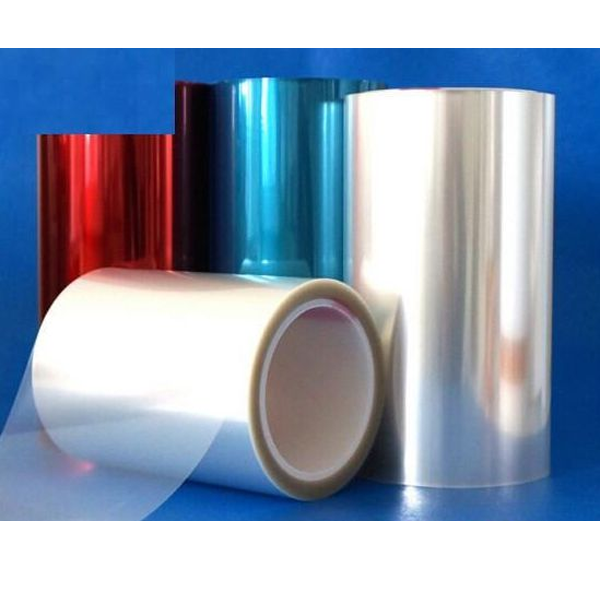
Fluoropolymer Sheets (e.g., PTFE, FEP, PFA): Provide outstanding chemical inertness, very low surface energy (excellent release properties), and can withstand temperatures exceeding 250°C. They are highly durable but can be less compressible than elastomers.
Specialty Composite Materials: Engineered materials, such as high-temperature resistant non-woven aramids or ceramic-impregnated fabrics, offer unique combinations of thermal insulation, dimensional stability, and durability. The selection should be based on the required balance between compressibility, heat transfer, and longevity.
3. Thickness, Hardness (Durometer), and Compressibility
These mechanical properties are interdependent and must be matched to the specific lamination process.
Thickness: Thicker pads (e.g., 1mm to 3mm) offer greater ability to conform to substrate unevenness and absorb variations in the material stack height. However, excessive thickness can slightly dampen heat transfer and may require press cycle adjustments.
Hardness (Shore A Scale): A pad that is too hard (high durometer) will not conform properly, leading to pressure spots. A pad that is too soft may over-compress, losing its cushioning effect and potentially causing "dishing" around the edges of the CCL panel. A mid-range durometer (e.g., Shore A 50-80) is often a suitable starting point, providing a good balance of support and conformity.
The optimal combination ensures uniform pressure distribution across the entire panel area, which is critical for achieving consistent resin flow, bond strength, and final thickness tolerance across the CCL sheet.
4. Flame Retardancy and Safety
The lamination environment involves high temperatures and, in some cases, electrical systems. Selecting cushioning pads that are inherently flame-retardant or UL94 rated (e.g., V-0, VTM-0) is a critical safety measure. This property minimizes fire risk and prevents the pad itself from becoming a fuel source in the unlikely event of an operational fault or localized overheating, thereby protecting both personnel and capital equipment.
5. Environmental and Cleanroom Compatibility
Modern electronics manufacturing places a high priority on environmental safety and contamination control. The cushioning pad material should be:
Low in Volatile Organic Compounds (VOCs): It should not release fumes or silicone-based vapors that could deposit on hot press platens or, in extreme cases, migrate to affect the CCL's surface energy or subsequent bonding processes.
Chemically Inert: It should not react with or be degraded by any release agents, cleaning solvents, or laminate resins used in the process.
Suitable for the Production Environment: For facilities with cleanroom requirements, the pad material should be non-shedding and easy to clean to meet particulate standards.
6. Supplier Technical Expertise and Reliability
The supplier's role extends beyond simple material provision. A reputable supplier should:
Provide comprehensive, verifiable technical data sheets (TDS) and material safety data sheets (MSDS).
Offer material samples for evaluation and testing in your specific process.
Have a deep understanding of the lamination process and be able to recommend materials based on your CCL type (FR-4, high-Tg, RF materials, etc.) and press parameters.
Ensure consistent quality and stable supply chains to prevent production disruptions. A supplier that can offer custom die-cutting or fabrication to match your press platen dimensions adds significant value.
Conclusion
The selection of high-temperature cushioning pads is a precision engineering decision integral to robust CCL manufacturing. A systematic evaluation should begin with a clear definition of your process window (temperature, pressure, cycle time) and quality goals (thickness uniformity, surface finish). By rigorously assessing materials against the criteria of thermal stability, mechanical performance, safety, environmental compliance, and supplier support, manufacturers can secure a component that enhances process control, protects valuable equipment, and contributes directly to the production of high-quality, reliable copper clad laminates. For critical applications, conducting a controlled trial with a small batch of candidate materials under actual production conditions is highly recommended to validate performance.
