

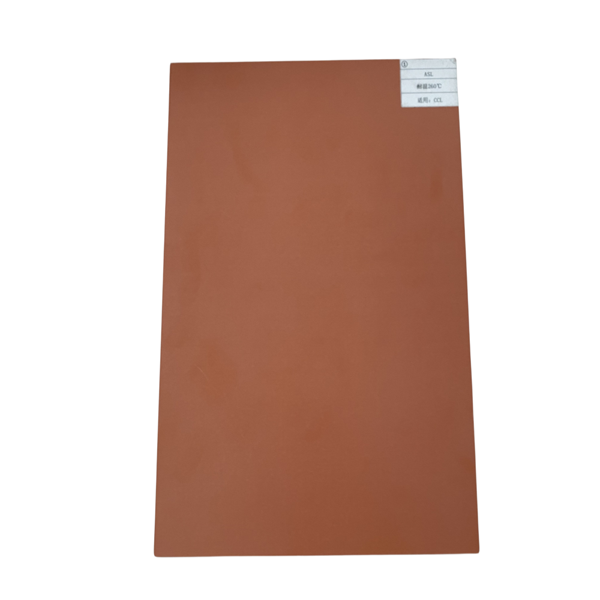
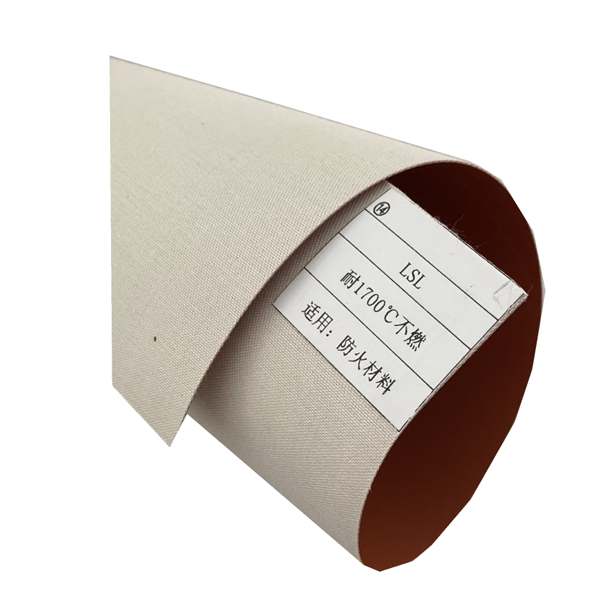
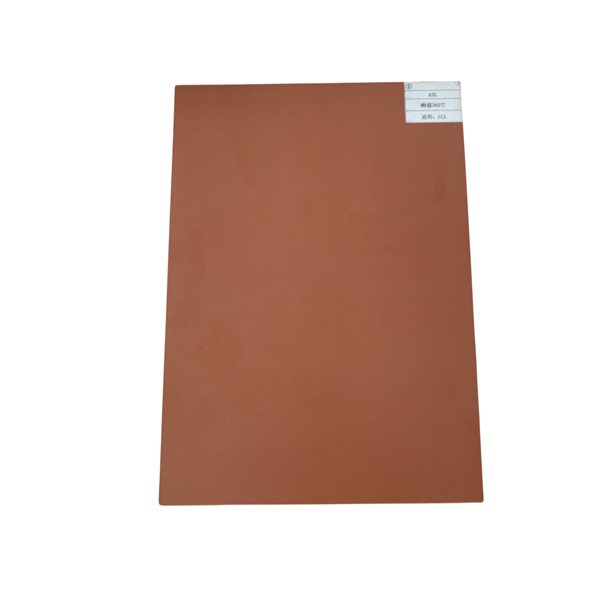
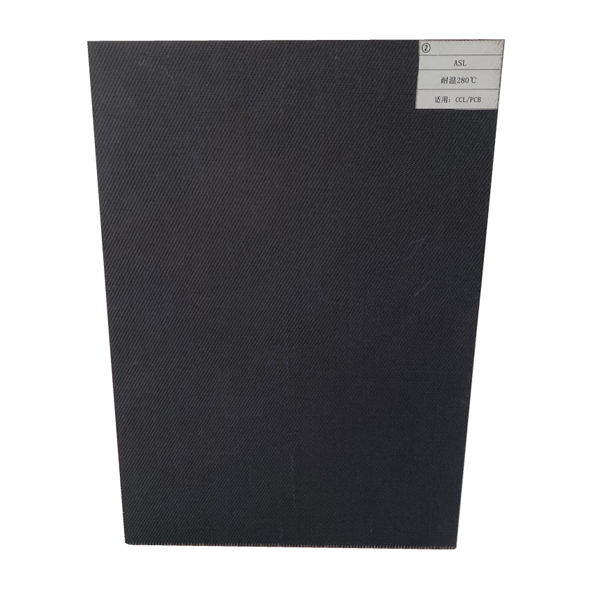
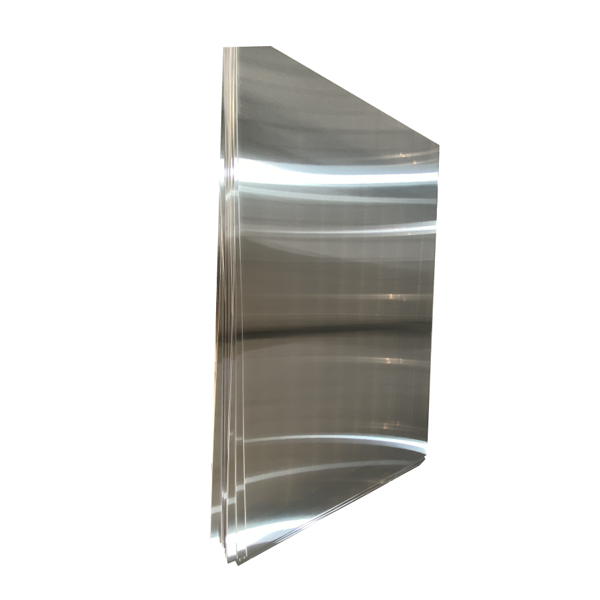
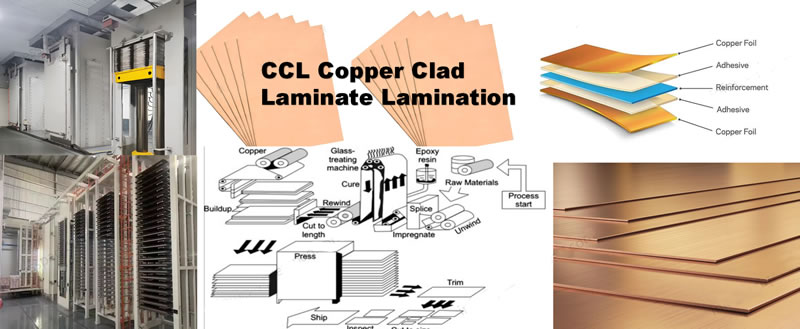
In the demanding world of Copper Clad Laminate (CCL) manufacturing, precision and durability are non-negotiable. One often-overlooked component that plays a critical role in maintaining quality is the high-temperature cushioning pad. Choosing the right pad isn't just about filling space; it’s about ensuring thermal stability, protecting delicate layers, and optimizing yield.
If you're looking to upgrade your production line or source new materials, here are the essential criteria to evaluate before making a purchase.
1. Thermal Stability and Heat Resistance
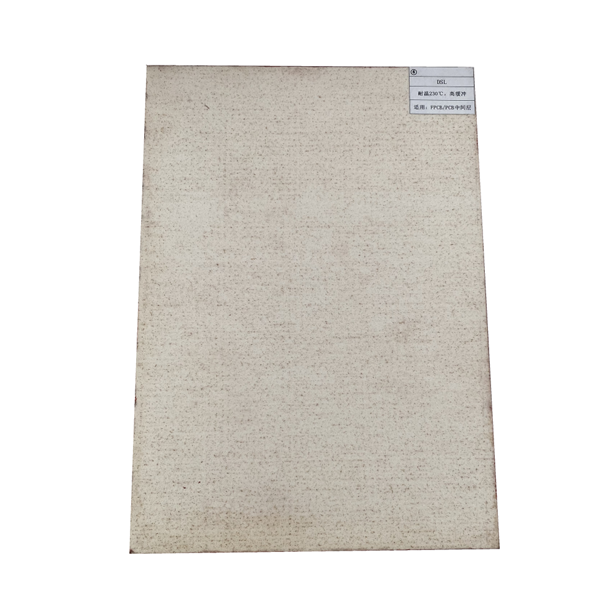
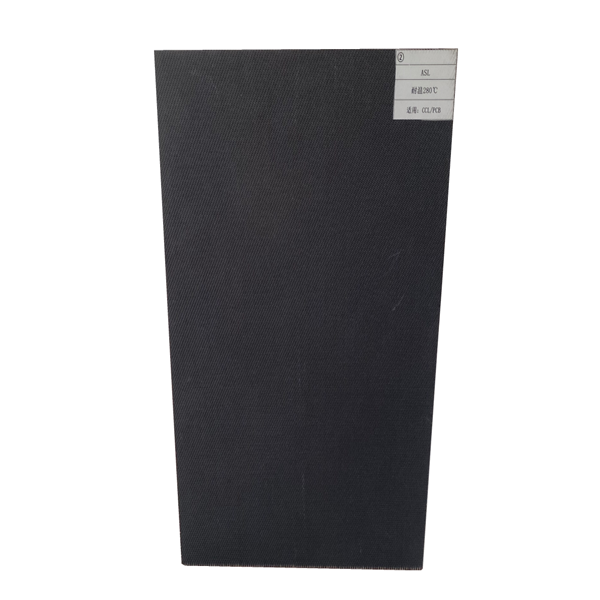
The core function of these pads is to perform under extreme heat. It is vital to verify the upper-temperature threshold specified by the manufacturer. Ensure the product can withstand the sustained thermal stress of your lamination process without degrading, melting, or losing its structural integrity.
2. Advanced Material Composition
Not all polymers are created equal. For CCL applications, prioritize materials known for their thermal resilience.
Silicone: Offers excellent flexibility and heat resistance.
Fluoroelastomers (Viton): Ideal for chemical resistance and high-heat environments.
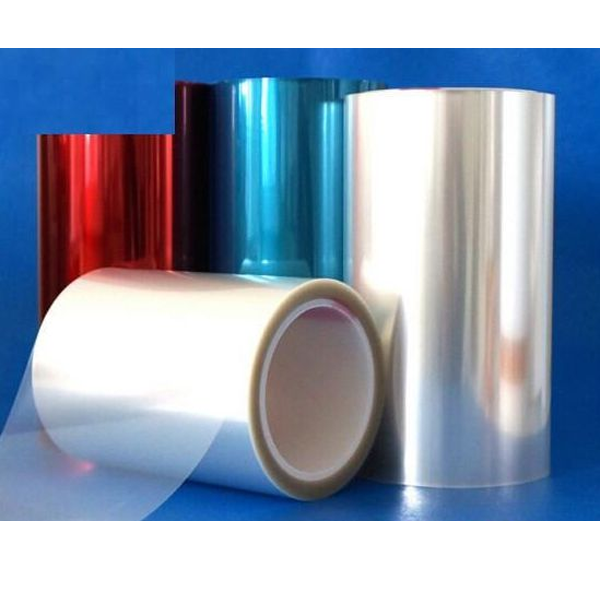
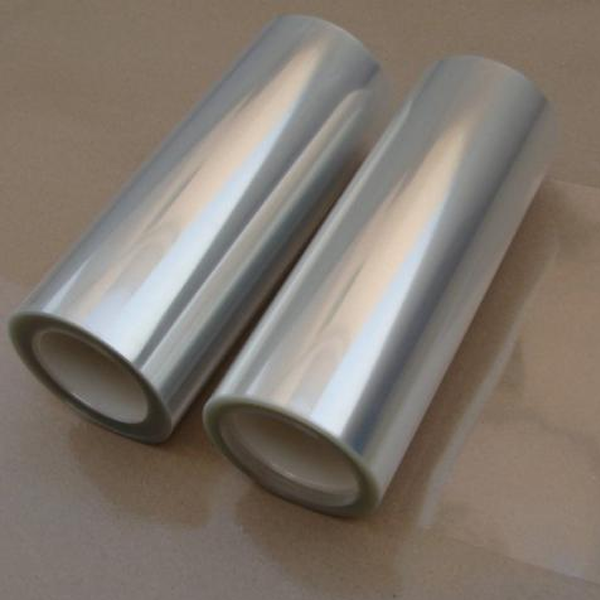
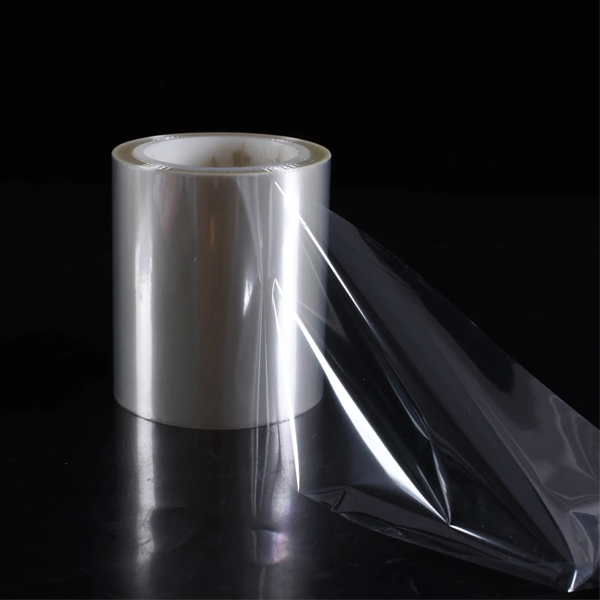
High-Temp Polyester Films: Provide dimensional stability.
Selecting the right substrate ensures the pad maintains its mechanical strength and elasticity even after repeated thermal cycles.
3. Dimensional Specifications: Thickness & Durometer
The physical characteristics of the pad must align with your specific press requirements.
Thickness: A thicker gauge generally offers superior shock absorption and pressure distribution, which is crucial for handling high-impact forces.
Hardness (Shore A): Avoid pads that are too rigid. A balanced durometer rating ensures optimal conformability, allowing the pad to fill gaps and distribute pressure evenly without compromising the cushioning effect.
4. Fire Safety and Flame Retardancy
Safety should never be an afterthought. Given the high-energy environment of CCL production, always opt for materials with proven flame-retardant properties. This not only mitigates the risk of fire but also enhances the overall safety compliance of your manufacturing facility.
5. Compliance with Environmental Standards
Sustainability and workplace safety go hand-in-hand. Ensure the cushioning pads are RoHS compliant and free from hazardous substances. Low outgassing is a key factor—you don't want pads releasing toxic fumes or contaminants that could compromise the cleanroom environment or the quality of the laminates.
6. Partnering with a Reliable Manufacturer
The supplier behind the product is just as important as the product itself. Partner with a vendor who has a proven track record in the industry. A reputable supplier guarantees consistent quality, reliable lead times, and robust technical support, preventing costly downtime due to material failure or supply chain disruptions.
Final Thoughts
Selecting the ideal high-temperature cushioning pad requires a holistic view of your production needs. By focusing on thermal limits, material science, physical properties, and supplier reliability, you can secure a component that enhances both safety and efficiency.
Need help specifying the right pad for your press?
Consulting with technical experts or reaching out directly to manufacturers can provide tailored solutions that perfectly match your operational parameters.
