

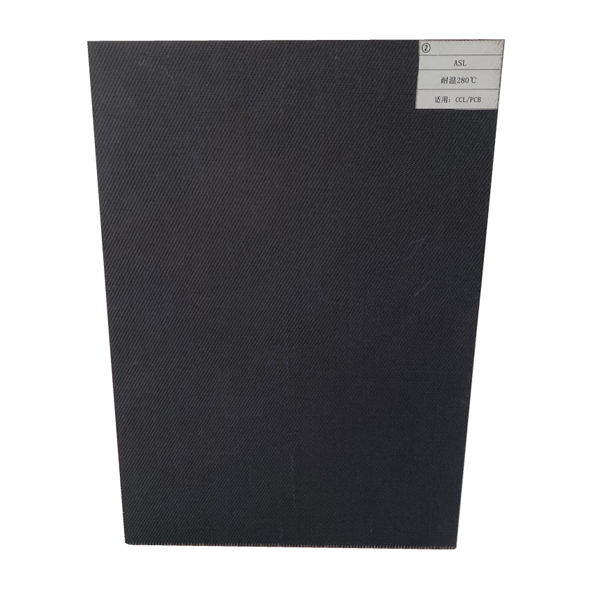
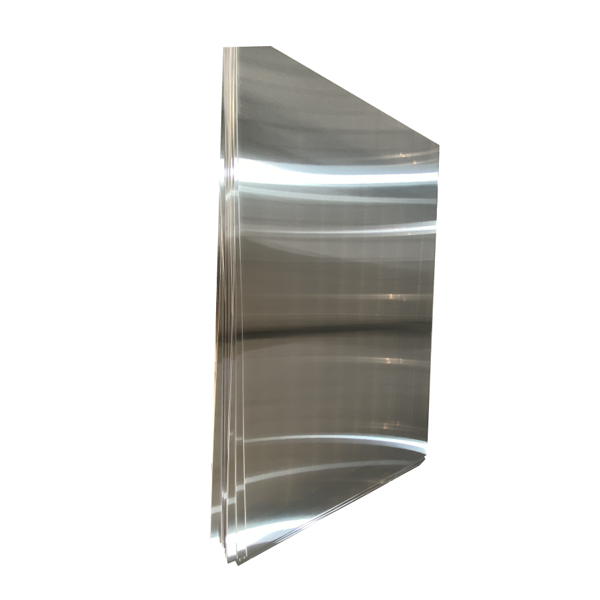
Optimizing PCB Lamination: Selecting Between Kraft Paper and Press Pads
Within printed circuit board (PCB) manufacturing, both kraft paper and silicone press pads serve as essential interlayers during lamination, safeguarding boards against mechanical damage and warpage. While they share a common purpose, their physical properties dictate distinct applications.
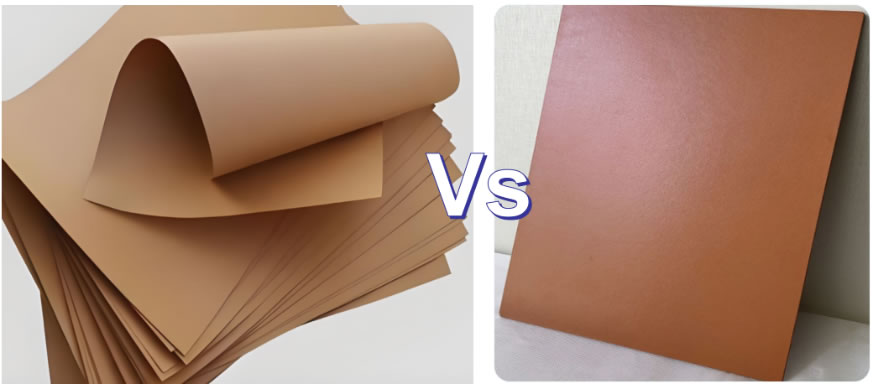
Kraft Paper:
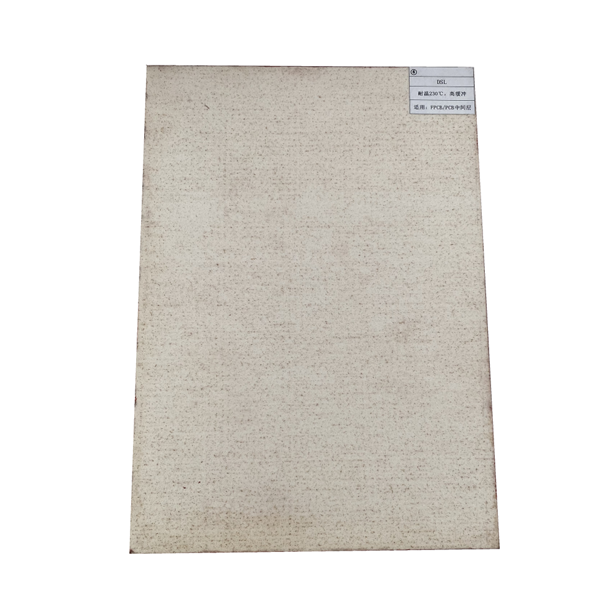
Renowned for its flexibility and thin profile, kraft paper acts as a conformable barrier. Its primary advantage lies in its ability to bridge gaps and level out surface irregularities. By conforming to the topography of the stack-up, it mitigates stress concentrations caused by height discrepancies, ensuring a uniform pressure distribution across uneven board surfaces.
Press Pads:
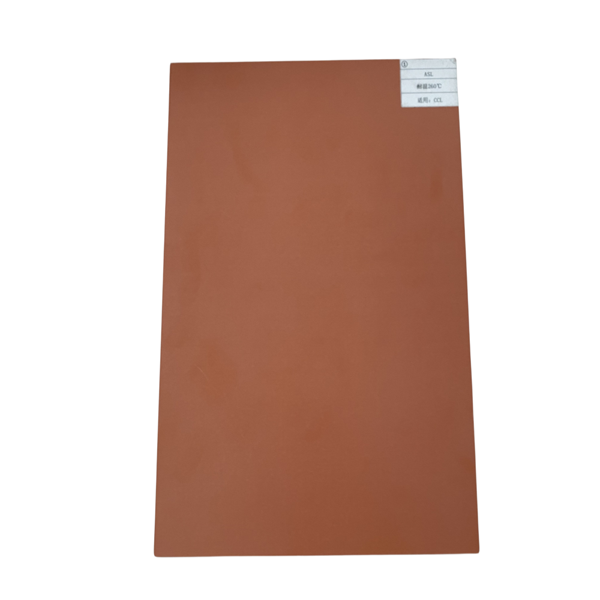
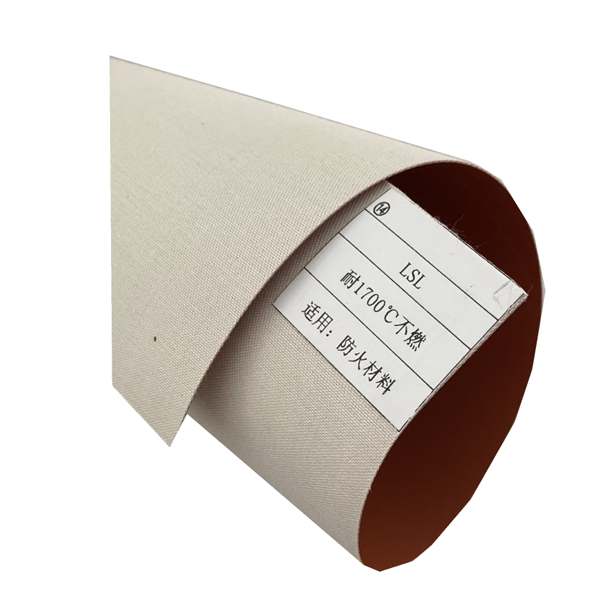
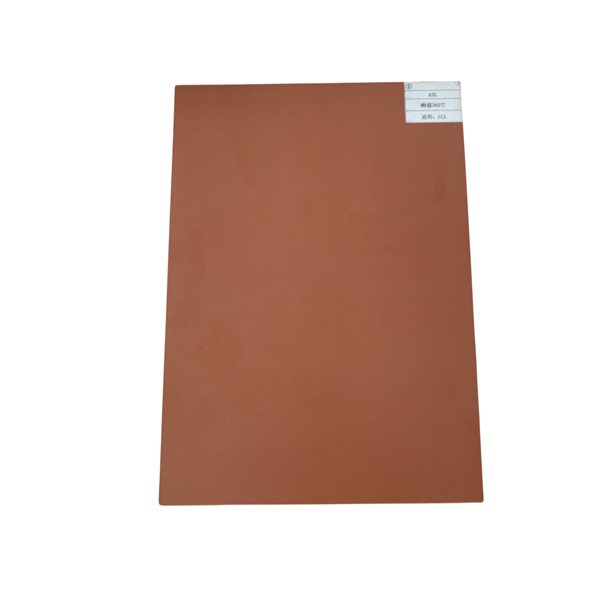
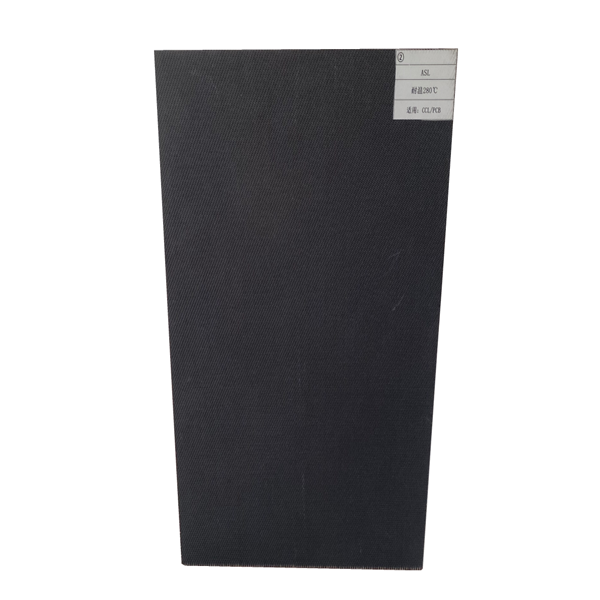
Typically thicker and engineered for superior resilience, press pads offer enhanced cushioning. Their primary function is shock absorption, effectively dampening the impact forces exerted during press cycles. This makes them ideal for protecting delicate structures and minimizing the risk of internal micro-cracking or deformation.
Selection Criteria:
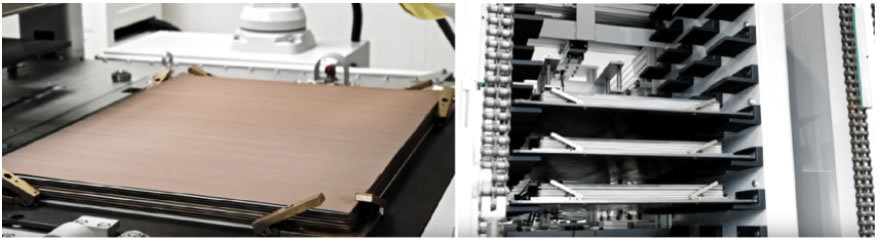
The decision hinges on the specific requirements of the lamination stack. Kraft paper is the preferred choice for compensating for significant Z-axis height variations, ensuring planarity. Conversely, press pads are recommended for high-reliability or complex builds where maximum cushioning is required to prevent physical damage. A careful assessment of the board's construction will determine the optimal interlayer solution.
