

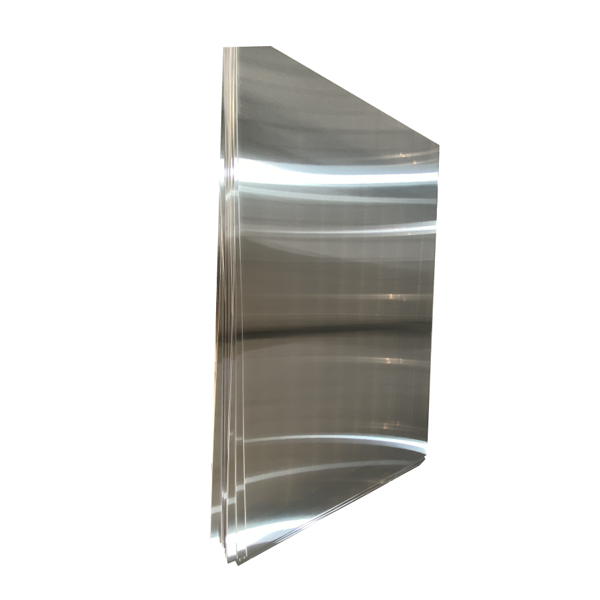
NAS630 stainless steel plate, also known as 17-4PH (Precipitation Hardening) stainless steel, represents a high-performance martensitic precipitation-hardening alloy. It is engineered to deliver an exceptional combination of high strength, excellent corrosion resistance, and good fabricability, making it a material of choice for demanding applications across several critical industries. The following sections provide a detailed overview of its key characteristics and the resulting scope of application.
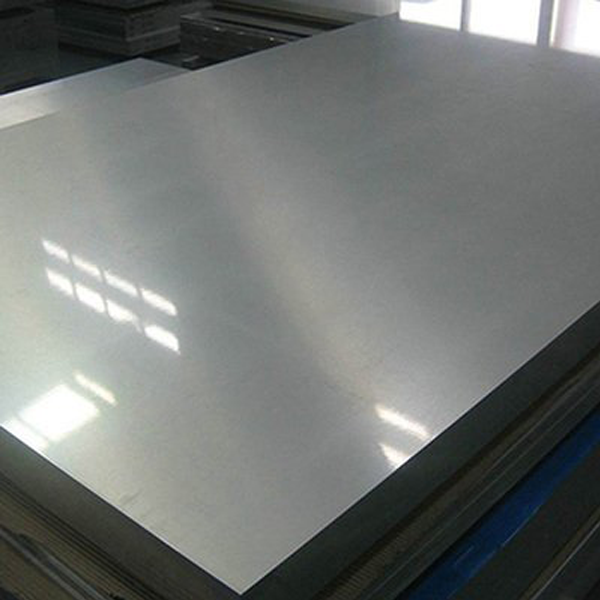
1. Exceptional Corrosion Resistance for Harsh Environments
NAS630 exhibits outstanding corrosion resistance, significantly surpassing that of standard martensitic and many austenitic stainless steels. Its performance is derived from a balanced chemical composition, primarily Chromium (Cr) at approximately 15-17.5%, which forms a stable, self-repairing passive oxide layer on the surface. This plate grade is particularly effective in resisting attack from chlorides, making it highly suitable for marine and coastal atmospheres. It also demonstrates robust resistance to a wide range of corrosive media, including dilute sulfuric acid, sulfates, chlorides, and organic acids. This stability under chemical exposure is maintained even after the material undergoes the precipitation hardening heat treatment, which optimizes its mechanical properties. Consequently, NAS630 plates reliably perform in harsh environments where both chemical attack and mechanical stress are present, minimizing the risk of pitting, crevice corrosion, and stress corrosion cracking (SCC) compared to lower-grade steels.
2. High-Strength Performance for Structural and Mechanical Integrity
One of the most defining attributes of NAS630 is its high strength, achieved through a solution treatment followed by a low-temperature aging (precipitation hardening) process. This thermal treatment precipitates fine copper-rich phases within the martensitic matrix, substantially increasing strength and hardness. The resulting mechanical properties are impressive, with typical tensile strength (Rm) ranging from 1000 to 1300 MPa and yield strength (Rp0.2) from 800 MPa and above, depending on the specific aging condition (e.g., H900, H1025, H1150). This strength level is approximately three to four times that of standard austenitic grades like 304 or 316 stainless steel. This capability allows components fabricated from NAS630 plate to withstand extreme mechanical stress, high dynamic loads, and significant pressure with minimal deformation or risk of failure. Its excellent strength-to-weight ratio is a key advantage in weight-sensitive designs, enabling lighter, more efficient structures without compromising safety or durability.
3. Good Fabricability and Versatile Processing
Despite its high strength, NAS630 plate maintains good fabricability, allowing it to be processed using conventional industrial methods. In the solution-annealed (Condition A) state, the material is relatively soft and ductile, permitting operations such as cutting, machining, cold bending, and forming with relative ease. It exhibits good thermal deformation performance, allowing for hot-working processes. Welding is feasible using common techniques such as Gas Tungsten Arc Welding (GTAW/TIG) and Shielded Metal Arc Welding (SMAW), though it requires careful control of heat input and the use of matching or over-alloyed filler metals (e.g., 17-4PH or 15-5PH welding wire) to preserve corrosion resistance and mechanical properties in the weld zone. Following fabrication, the component undergoes the designated aging treatment to achieve its final high-strength state. This combination of workability and post-fabrication hardening provides designers and engineers with significant flexibility in manufacturing complex, high-performance parts.
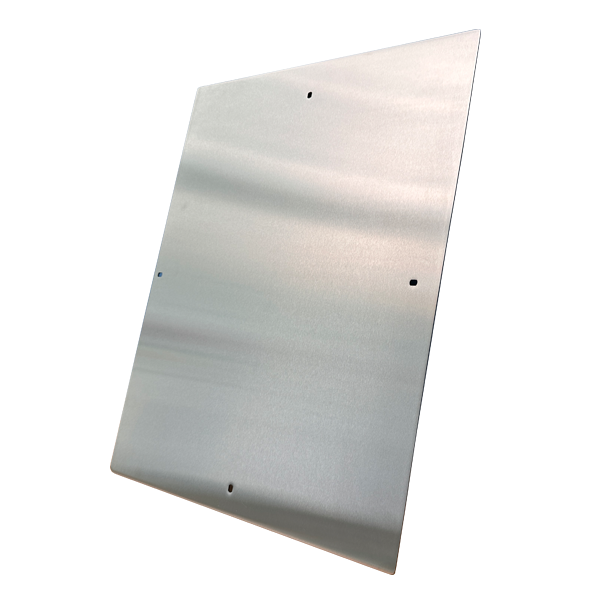
4. Broad Application Spectrum Across Critical Industries
The synergy of corrosion resistance, high strength, and fabricability positions NAS630 steel plate as a critical material in sectors where component failure is not an option. Its applications are wide-ranging:
Aerospace & Defense: Used in aircraft landing gear components, missile fittings, jet engine parts, fasteners, and high-stress structural brackets where strength, weight, and resistance to atmospheric corrosion are paramount.
Petrochemical & Chemical Processing: Ideal for critical components like pump shafts, valves, fittings, reactor internals, and fasteners exposed to sour gas (H₂S), chlorides, and acidic environments under high pressure.
Marine & Offshore Engineering: Employed in propeller shafts, submarine fittings, pump impellers, valve stems, and deck hardware that must endure the corrosive saltwater atmosphere and high mechanical loads.
Oil & Gas: Suitable for downhole tools, wellhead components, and valve trims in demanding extraction and refining environments.
Power Generation: Used in turbine blades, fasteners, and other components in both conventional and nuclear power plants.
Food Processing & Pharmaceutical Equipment: Applicable for shafts, mixer blades, and fittings where corrosion resistance to cleaning agents and process media is required, alongside the need for high strength and durability in sanitary designs.
Conclusion
In summary, NAS630 (17-4PH) stainless steel plate is a premium precipitation-hardening alloy engineered to solve complex material challenges. It delivers a rare and valuable combination of excellent corrosion resistance, very high strength achieved through heat treatment, and practical fabricability. This makes it an indispensable material for manufacturing critical parts, structural components, pressure vessels, shafts, valves, and fasteners that must perform reliably in harsh, corrosive environments while simultaneously withstanding significant mechanical stress, dynamic loads, or pressure. Its use is a strategic choice for enhancing safety, reliability, and service life in the most demanding industrial and technological applications.
