

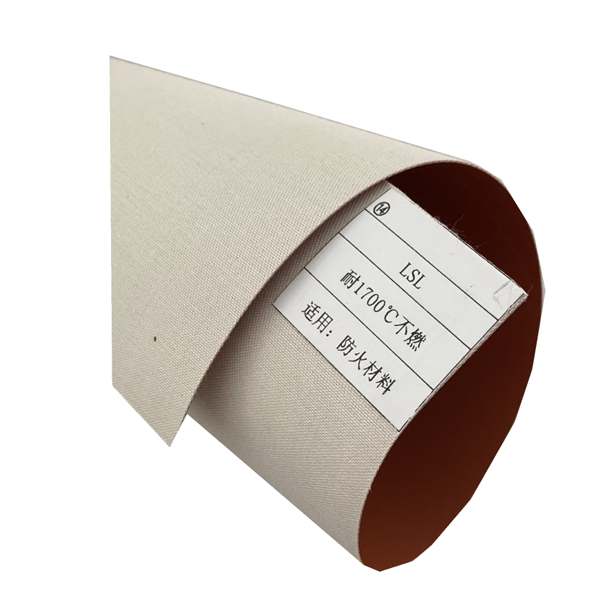
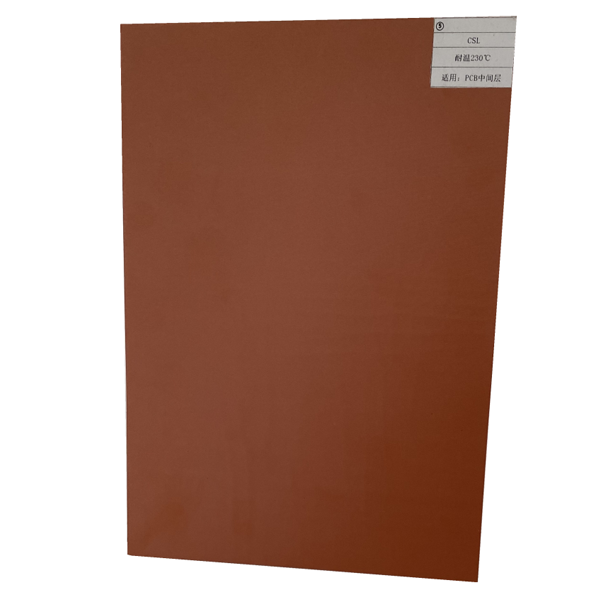
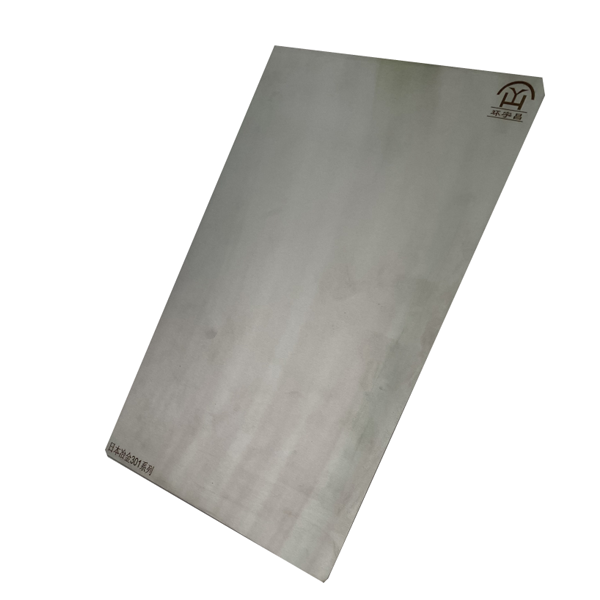
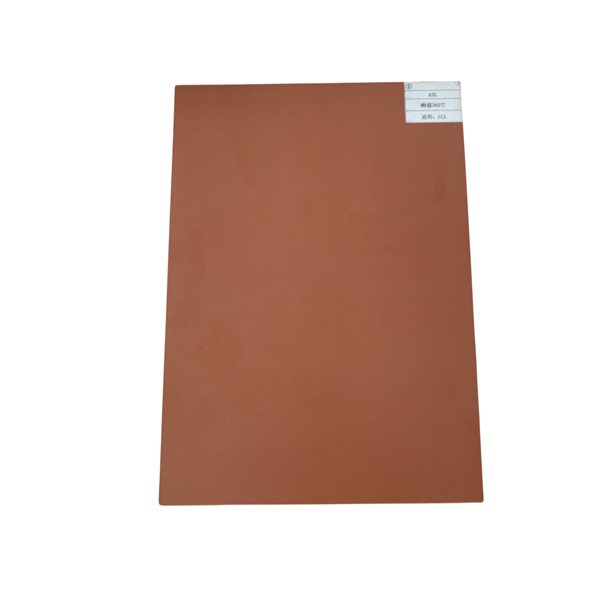
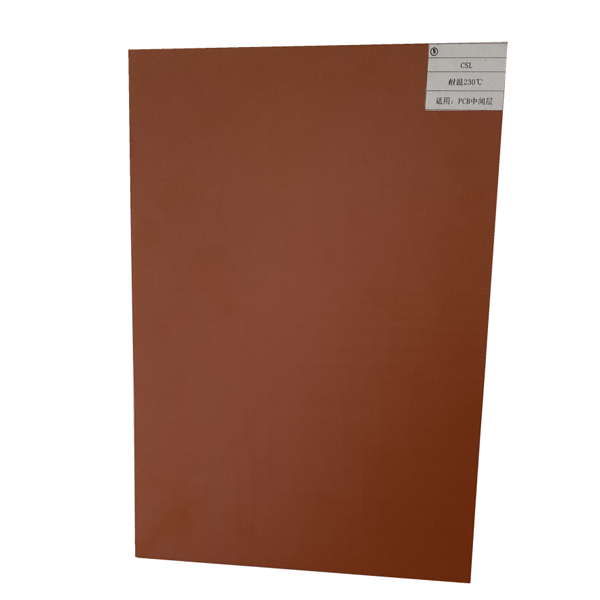
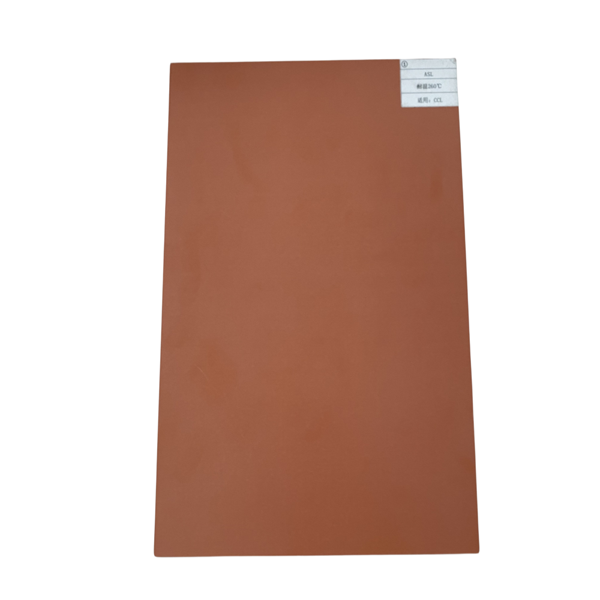
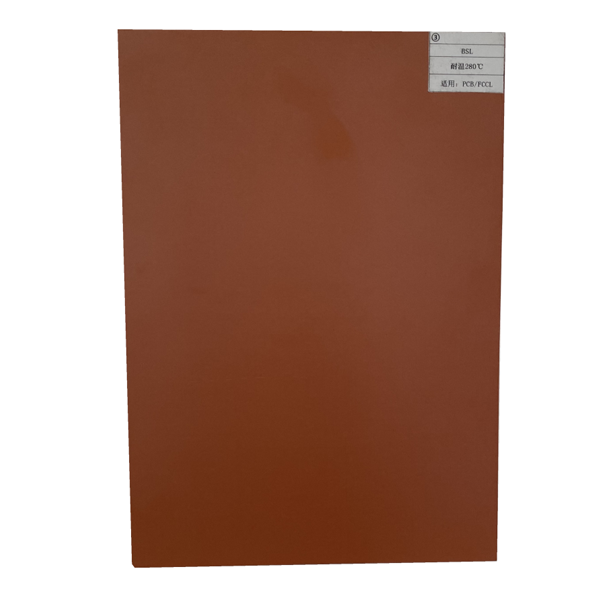
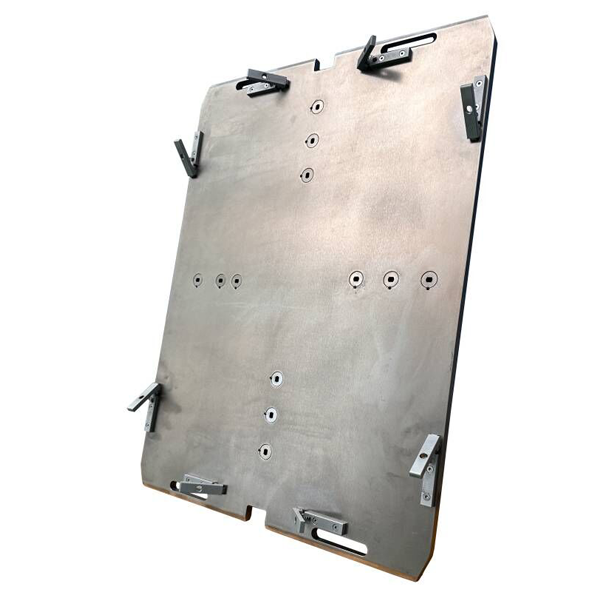
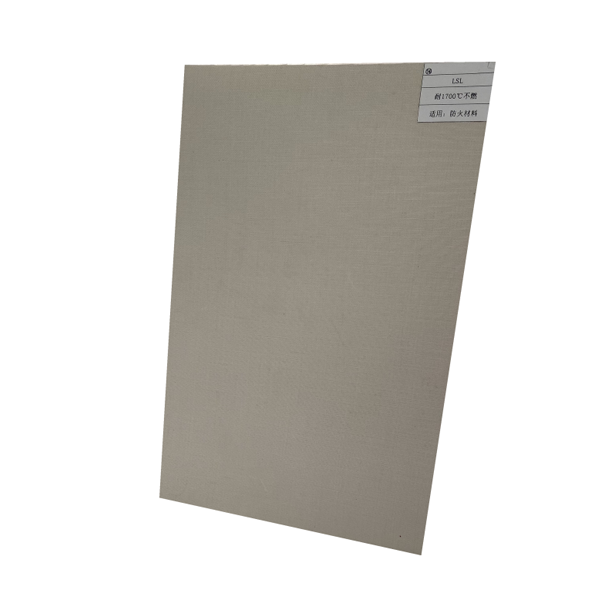
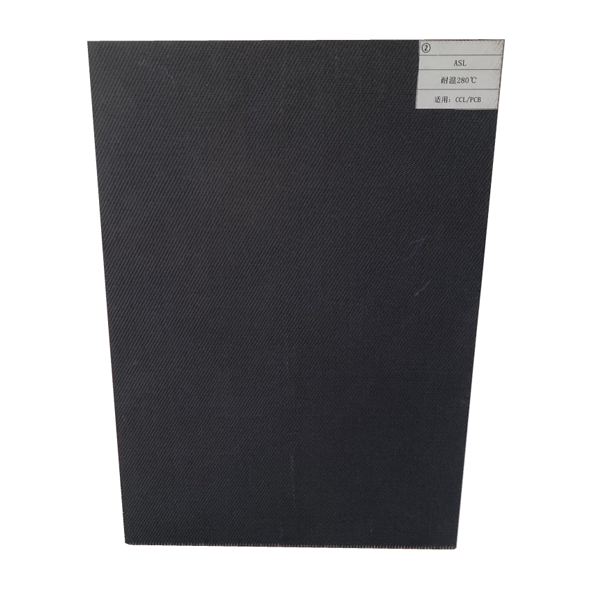
In the precision manufacturing of printed circuit boards (PCBs), the press-fit process is a crucial part. PCB pressing cushioning, as a key material in the pressing process, has a wide variety and different properties, which directly affects the quality and performance of the PCB. This article will give you an in-depth understanding of the types of PCB press-fit cushions and their characteristics, helping you choose the most suitable "guardian" for precision manufacturing.
According to different materials, structures, and properties, PCB press-fit cushions can be mainly divided into the following categories:
1. Silicone Cushioning:
Performance characteristics: Silicone cushioning has good elasticity, high temperature resistance, and aging resistance, and can maintain stable performance in high-temperature and high-pressure environments, making it one of the most commonly used materials for PCB press-fit cushioning.
Application scenarios: Suitable for most conventional PCB pressing processes, especially for multi-layer boards, high-frequency boards and other PCBs that require high pressing accuracy.
2. Viton rubber cushioning:
Performance Characteristics: Viton rubber cushioning pads have excellent chemical resistance, oil resistance, and high temperature resistance, maintaining stable performance in harsh environments.
Application scenarios: Suitable for PCB pressing processes that require contact with chemical solvents, oils, and other substances, such as automotive electronics, aerospace, and other fields.
3. Polyimide Cushioning:
Performance characteristics: Polyimide cushioning has the characteristics of high strength, high modulus, and low coefficient of thermal expansion, and can maintain excellent dimensional stability and mechanical properties in high-temperature and high-pressure environments.
Application Scenarios: Suitable for PCB press-fit processes that require extremely high dimensional accuracy, such as high-density interconnect (HDI) boards and flexible circuit boards (FPCs).
4. Composite cushioning:
Performance characteristics: Composite cushioning is made of two or more materials, which combines the advantages of multiple materials, such as high elasticity, high temperature resistance, chemical corrosion resistance, etc.
Application scenarios: Suitable for special PCB pressing processes that require high buffer performance, such as high-frequency high-speed boards, high-reliability boards, etc.
How to choose the right PCB press cushion?
Choosing the right PCB press cushion involves considering the following factors:
PCB Type and Press-Fit Process: Different types of PCBs and press-down processes have different performance requirements for cushioning, such as high-frequency boards need to choose cushions with low dielectric constant and low loss factor, while high-density interconnect boards need to choose high-precision, high-flatness cushions.
Parameters of the pressing equipment: The pressure, temperature and other parameters of the pressing equipment will affect the selection of cushioning, for example, the high-temperature pressing process requires the selection of cushioning with excellent high-temperature resistance.
Cost factors: The price of different types of cushions varies greatly, and you need to choose according to actual needs and budget.
Choose the right cushion to escort PCB precision manufacturing
There are many types of PCB press cushions, each with its own characteristics, and choosing the right cushion is crucial to ensure the quality and performance of the PCB. I believe that through the introduction of this article, you have a deeper understanding of the types of PCB pressing cushioners and their characteristics. I hope you can choose the appropriate cushion according to your actual needs to escort PCB precision manufacturing!
