

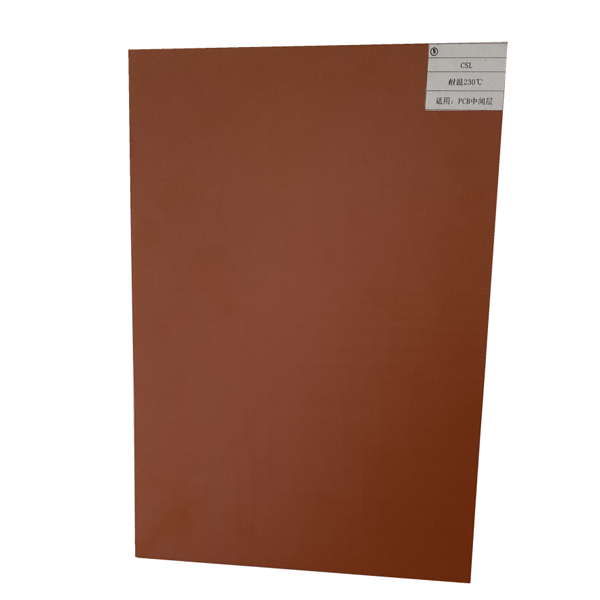
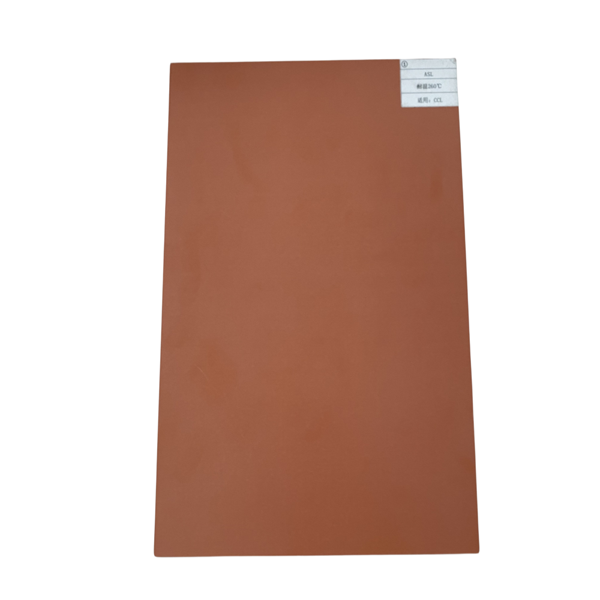
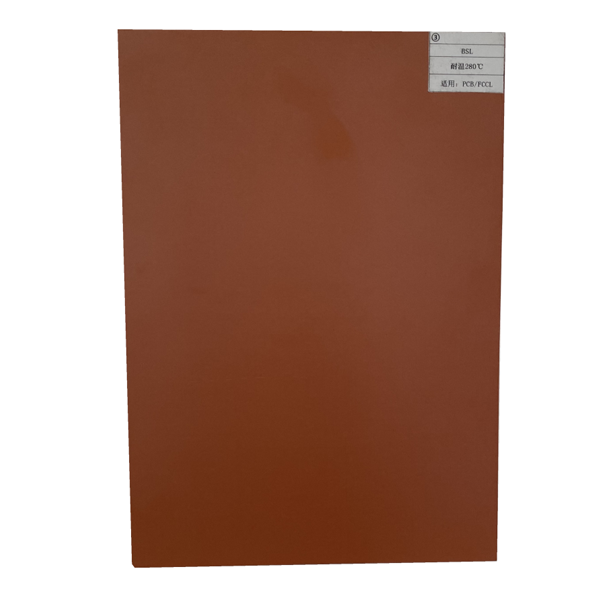
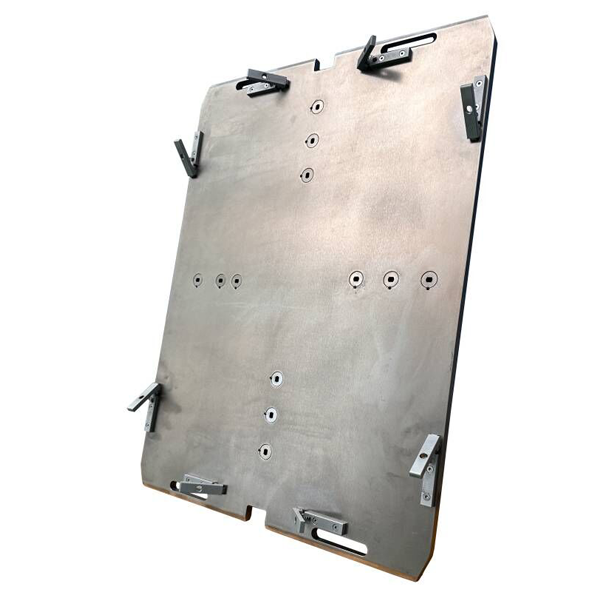
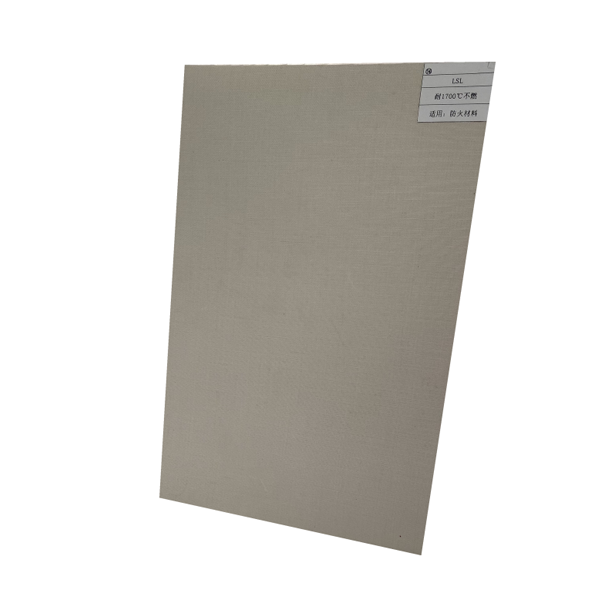
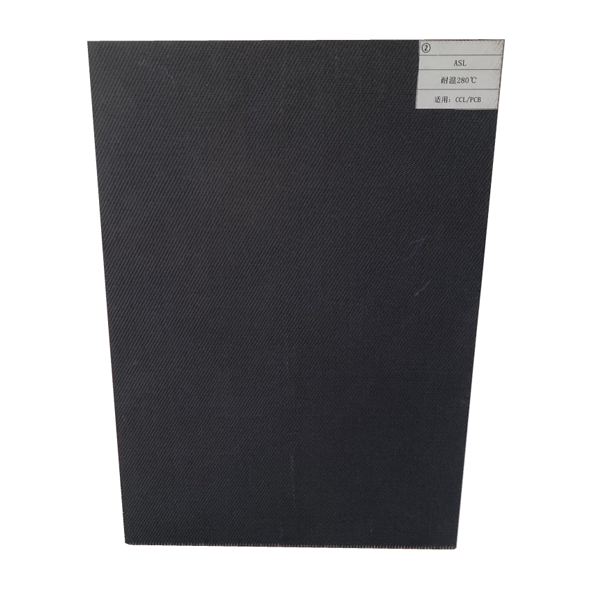
What is PCB press-fit cushioning
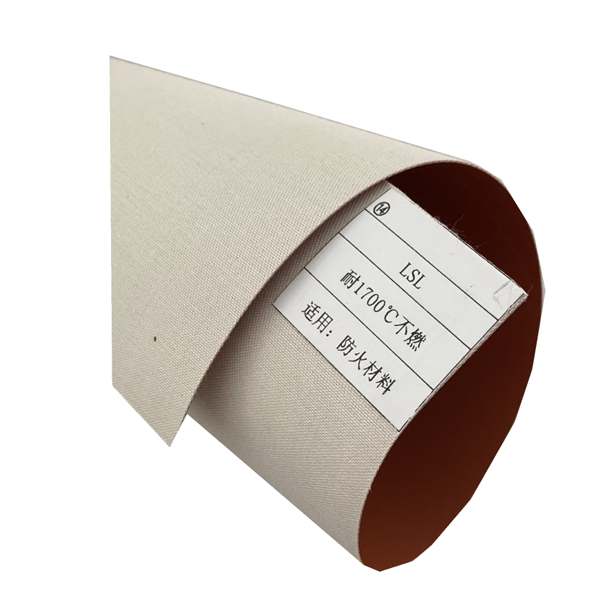
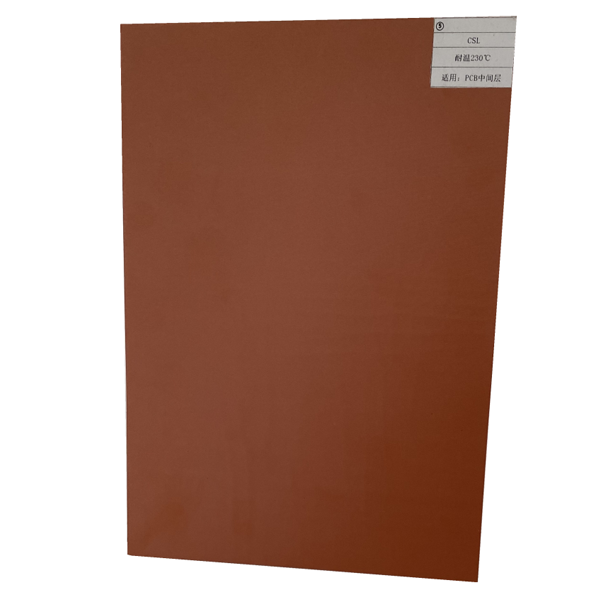
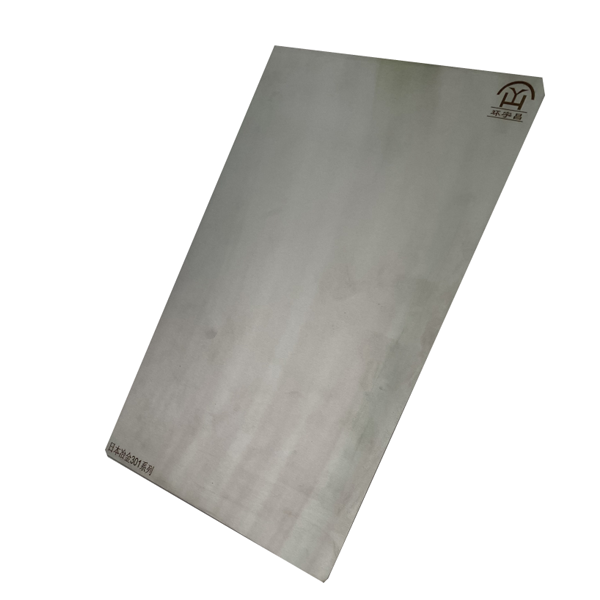
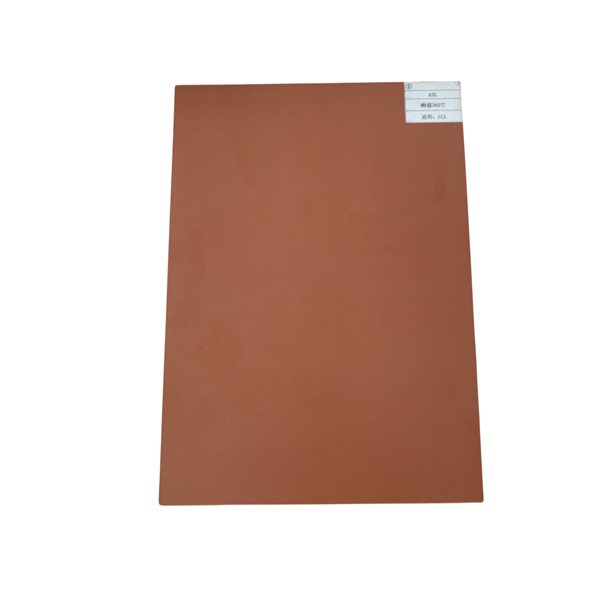
PCB press-fit cushions are essential and critical auxiliary materials in the manufacturing process of printed circuit boards (PCBs) and flexible printed circuits (FPCs). As a high-performance elastic material, it is placed between the hot platen of the pressing machine and the PCB multilayer board to be pressed, and plays an important role in evenly distributing pressure, buffering impact, and thermal insulation protection in high temperature and high pressure environments.
In the multi-layer board pressing process of PCB manufacturing, the pressing buffer can effectively compensate for the slight unevenness of the platen surface, ensure that the pressure is evenly transmitted to the entire board surface, and avoid quality problems such as interlayer misalignment, bubbles, and uneven resin flow caused by uneven pressure. As PCBs move toward high-density interconnect (HDI), the performance requirements for press-fit cushions are also increasing.
The core function of the PCB press-fit buffer
Pressure is evenly distributed
One of the core functions of PCB press cushion pads is to distribute pressure evenly. During the pressing process, even if the press platform is very accurate, there may still be a flatness deviation of the micron level. The elastic nature of the cushioning compensates for these small differences, ensuring that every area of the PCB is subjected to virtually the same pressure. This uniform pressure distribution is crucial for alignment accuracy and interlayer bond strength in multilayer boards.
Stability in high-temperature environments
High-quality PCB press-fit cushions must be able to maintain stable performance in high-temperature environments. Typical PCB pressing temperatures range between 180-220°C, and some special materials may require higher temperatures. The cushion should not soften, deform, or degrade significantly during this temperature range, which would affect the consistency of the pressing quality.
Balance of heat conduction and thermal insulation
Cushioning requires a precise balance of heat conduction and thermal insulation. On the one hand, it is necessary to ensure sufficient heat transfer for the resin to cure adequately; On the other hand, it is necessary to prevent local overheating from causing material damage. This balance may require different optimization schemes for different resin systems (e.g., FR-4, HF materials, halogen-free materials, etc.).
Material properties of PCB pressing cushion
High temperature resistance
Professional-grade PCB press cushion cushioning is typically made of specially formulated silicone rubber or fluoroelastomer materials that maintain elasticity and mechanical properties in sustained high-temperature environments. Ordinary rubber begins to deteriorate above 150°C, while professional cushioning can withstand long-term use temperatures above 200°C.
Compression deformation resistance
A good cushion should have excellent resistance to compression set. After hundreds of pressing cycles, the original thickness and elasticity can still be maintained, avoiding the problem of uneven pressure distribution caused by material fatigue. This is a key indicator that affects the life of the cushion.
Surface treatment technology
Modern high-end cushioning pads often use special surface treatment processes, such as polishing and coating, to reduce friction with the release film and prevent wrinkles or breakage of the film material. At the same time, the surface treatment also improves release performance and reduces resin residue.
Application fields of PCB pressing cushion
Rigid PCB multilayer board pressing
In traditional rigid PCB manufacturing, cushioning is primarily used in multilayer board lamination processes. With the increase in the number of layers and the increase in line density, the requirements for pressing accuracy are also getting higher and higher. PCBs with more than 8 layers rely on high-performance cushioning to ensure interlayer alignment and resin fill quality.
FPC/IC substrate press-fit
The press-fit of flexible circuit boards (FPCs) and IC carrier boards has stricter requirements for cushioning. Because these materials are thinner and more fragile, cushioning with finer pressure regulation and lower surface roughness is required to avoid damaging fine lines.
High-frequency material pressing
The press-down process for high-frequency PCB materials, such as PTFE substrates, often requires special temperature profiles and pressure control. For these applications, the thermal conductivity and heat capacity of the cushioning pads need to be optimized to accommodate different curing requirements.
How to choose the right PCB press-fit cushion
Choose according to the type of product
Different PCB products need to match cushions with different characteristics:
Plain FR-4 multilayer board: Standard temperature cushioning
HDI board: High precision, low thermal expansion cushioning
HF Plates: Specialized cushions for specific thermal conductivity
FPC: Ultra-flat, low-hardness cushioning
Consider the pressing process parameters
The specific press-fit process conditions must be considered when selecting cushions:
Operating temperature range
Maximum pressure requirements
Rate of warming/cooling
Pressing cycle time
Evaluate the lifetime cost
Although the unit price of high-quality cushioning is high, it has a long service life and can reduce production costs in the long run. Evaluate the following:
Cost per press
Replacement frequency
Impact on yield
Maintenance costs
Maintenance and maintenance of PCB pressing cushion
Daily cleaning routine
Regular cleaning of cushioned surfaces can significantly extend their service life:
Use a special cleaner to remove resin residue
Avoid using sharp tools to scratch surfaces
Check the surface flatness after cleaning
Avoid folding or heavy pressure when storing
Performance monitoring methodology
The establishment of a regular testing system can detect the performance degradation of the buffer pad in time:
Thickness measurement
Hardness test
Surface flatness check
Thermogravimetric analysis (regular sampling)
Judge the timing of replacement
Cushion replacement should be considered when:
Permanent indentations appear on the surface
Thickness reduced by more than 10%
Elasticity has decreased significantly
This leads to an increase in the rate of compression defects
Future development trends
As PCB technology continues to evolve, press-fit cushioning also faces new challenges and opportunities. Emerging applications such as 5G communications, artificial intelligence hardware, and automotive electronics place higher demands on PCBs, and correspondingly, more advanced cushioning solutions are needed. Possible future directions include:
Intelligent cushioning: Integrated sensors monitor pressure and temperature distribution in real time
Nanocomposites: Improve temperature resistance and service life
Environmentally friendly materials: meet increasingly stringent environmental requirements
Customized solutions: Specialized designs for special applications
Although PCB press-fit cushioning is an auxiliary material, it has a non-negligible impact on the quality of the final product. Selecting and using appropriate cushioning pads is one of the important aspects for PCB manufacturers to improve product yield and reduce production costs.
