

In the pursuit of ultimate quality and efficient production in PCB (printed circuit board) and composite material lamination processes, "board edge white lines" act like an elusive ghost, troubling many production engineers. Not only does it affect the product's appearance, but more importantly, it may be an obvious indication of insufficient interlayer bonding or uneven resin flow, potentially leading to performance degradation and reduced yield. As a professional manufacturer with years of experience in lamination buffer materials, we understand that solving the issue of board edge white lines hinges on its direct contact partner—the lamination buffer pad. Today, we will delve into the causes of board edge white lines and reveal how professional buffer pad technology can effectively eliminate this problem.
I. Tracing the Root Cause: In-depth Analysis of the Formation of White Edges on PCBs
Edge white lines usually manifest as white stripes or halos on the edge of the board after lamination. The essence of this phenomenon is the abnormal flow of resin in the base material (such as pre-impregnated sheets) under high pressure and temperature. At its root, it mainly stems from the following aspects:
Uneven pressure distribution and stress concentration: During lamination, there are slight irregularities between the theoretical flat surface of the hot press plate and the actual steel plate and stacked materials. The edge area, as the "terminal" of pressure transmission, is prone to forming pressure vacuum zones or stress concentration points. When the pressure is insufficient or unevenly distributed, the resin cannot adequately fill the weave of the glass fiber fabric, leading to localized "resin deficiency" and subsequently presenting as white lines after light scattering.
Uneven heat flow and temperature difference effects: During lamination, heat is transferred from the hot press plate to the center of the material. The edge area tends to dissipate heat more quickly, easily forming a temperature gradient. If the thermal conductivity of the buffer pad is mismatched, it can cause inconsistent heating rates between the edge and the center, affecting the resin's curing kinetics and flowability, thus resulting in white lines.
Uncontrolled resin flow: Ideal lamination requires the resin to flow in a controlled and balanced manner to fill the gaps. If the buffer pad has poor elastic modulus, rebound, or compressibility, it cannot effectively absorb and balance the pressure from the hot press plate, leading to excessive resin extrusion or insufficient replenishment in the edge area, which results in the formation of white lines.
Release Liner and Buffer Pad Synergy Failure:
II. Breakthrough Key: How Professional Pressing Buffer Pads Become the "White Stripe Killer"
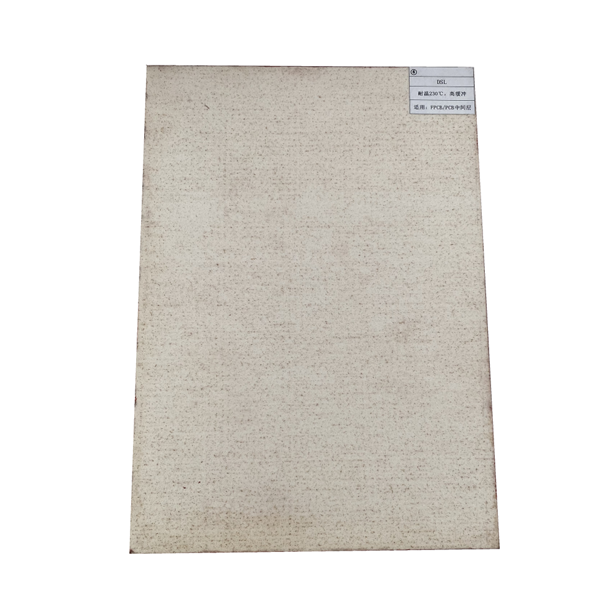
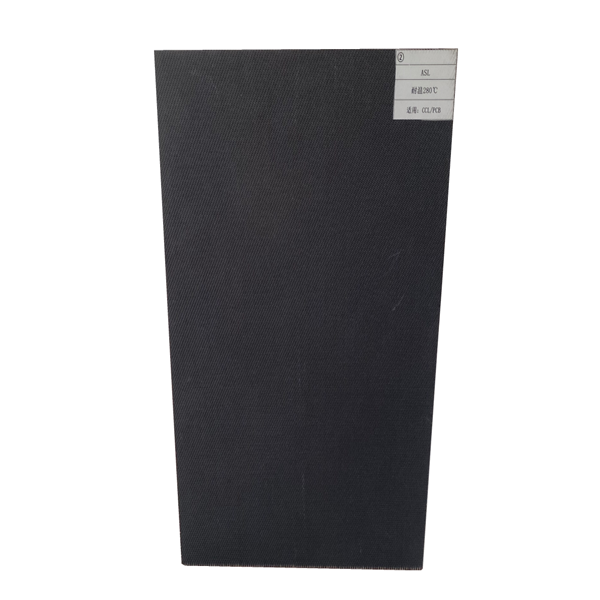
Traditional or low-quality buffer pads are often the "culprits" behind white stripes on board edges, while a professionally designed and precisely manufactured pressing buffer pad serves as the "remedy" to solve this issue. Our technical improvements mainly focus on the following core dimensions:
1. Accurate Design of Hardness and Elastic Modulus:
We achieve precise control over the hardness of the buffer pad (such as Shore A hardness) through a unique polymer formula and foaming process. If the hardness is too high, the buffer effect is insufficient, leading to stress concentration at the board edges; if the hardness is too low, the support is weak, causing significant pressure loss when transmitted to the board edges. Our products provide sufficient support while maintaining excellent elastic deformation capability, converting the flat pressure of the hot press plate into uniform "curved pressure," actively wrapping the board edges to ensure pressure consistency from the center to the periphery, and eliminating pressure blind spots at the root.
2. Excellent thermal stability and low coefficient of thermal expansion:
White edge marks often appear on old pads after multiple press cycles, as ordinary buffer pads tend to harden, age, or even decompose at high temperatures (usually above 180℃). We use high-performance heat-resistant silicone, special rubber, or composite fiber materials to ensure that the buffer pad maintains high stability in physical properties, such as elasticity and hardness, under long-term high-temperature and high-pressure cycles. At the same time, a low and stable thermal expansion coefficient ensures minimal thickness change of the buffer pad throughout the entire heating, holding, and cooling cycle, preventing self-thermal expansion and contraction from interfering with the pressure field.
3. Fine microstructure and compressibility:
The internal microstructure of the buffer pad determines its ability to "breathe" and "flow." The uniform closed-cell or special open-cell structures we developed not only allow even absorption and release of pressure but also permit a small amount of resin and volatile substances to flow out smoothly, preventing gas accumulation or back pressure at the board edges. This controlled exhaust property is key to achieving an ideal resin flow curve.
4. Excellent flatness and thickness tolerance control:
As a manufacturer that produces both mirror steel plates and carrier plates, we deeply understand the importance of "perfect flatness." Our buffer pads undergo precise grinding or rolling treatment before leaving the factory, ensuring their surface flatness and thickness tolerance reach extremely high standards. This provides a stable and reliable reference plane for the entire lamination stack, effectively reducing pressure unevenness caused by uneven pad material from the source.
5. Perfect system compatibility with release film:
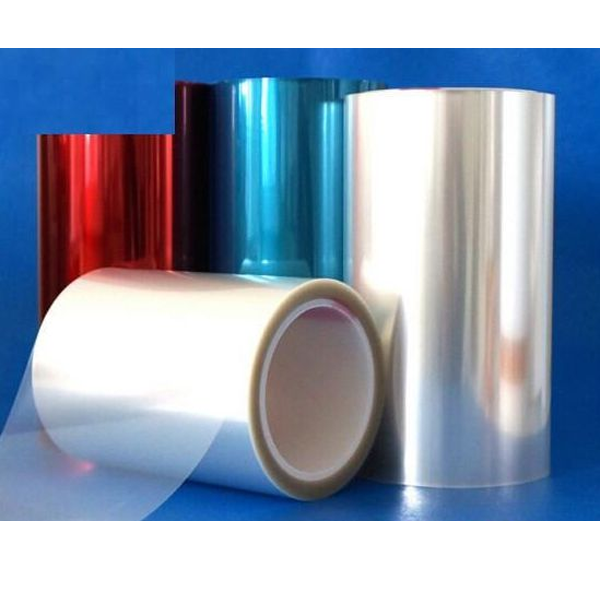
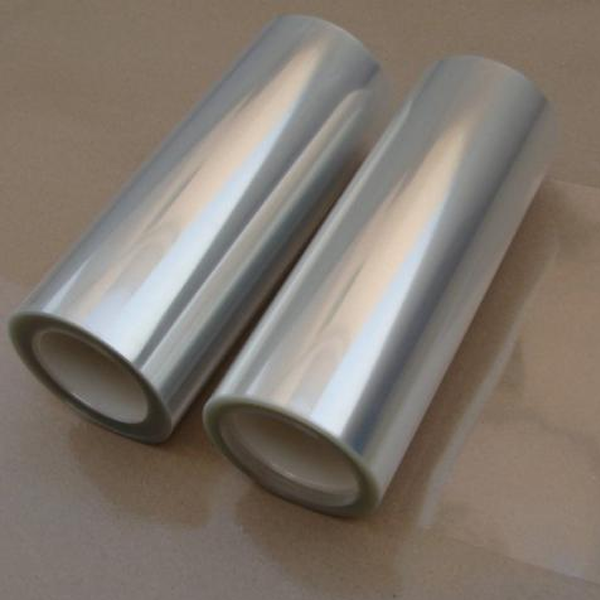
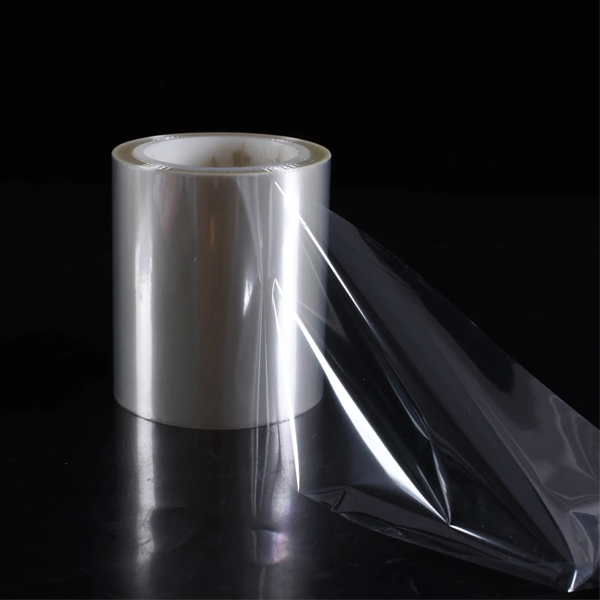
We provide not just a buffer pad, but a system solution. Our release liner features extremely high surface smoothness, tear resistance, and heat resistance, making it the ideal partner for our buffer pads. Together, they work in synergy to ensure pressure is transmitted to the product without loss or distortion, while achieving perfect demolding results with no traces left behind.
Three. Our product system: Providing comprehensive support for improving board edge white lines
Targeting the core demand of improving board edge white lines, our product matrix offers strong support:
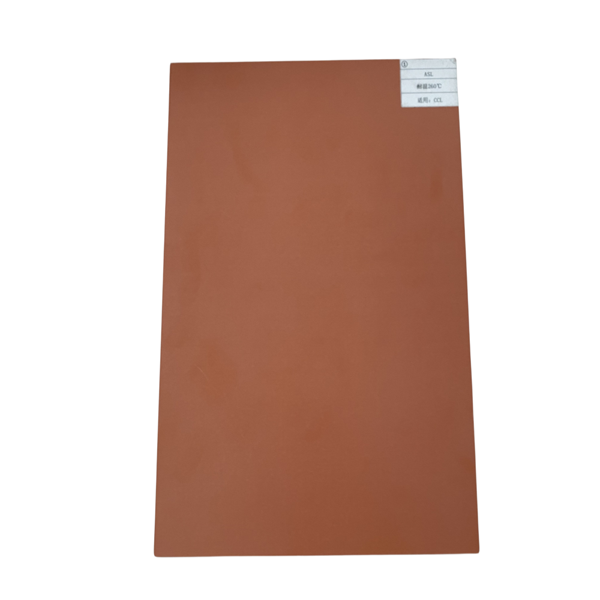
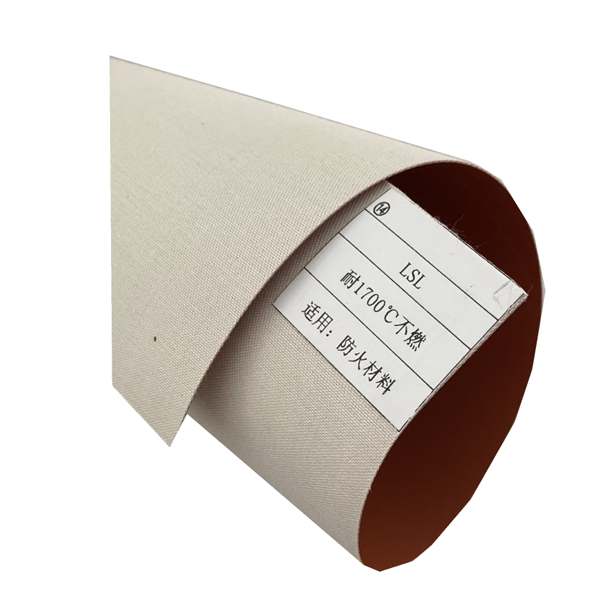
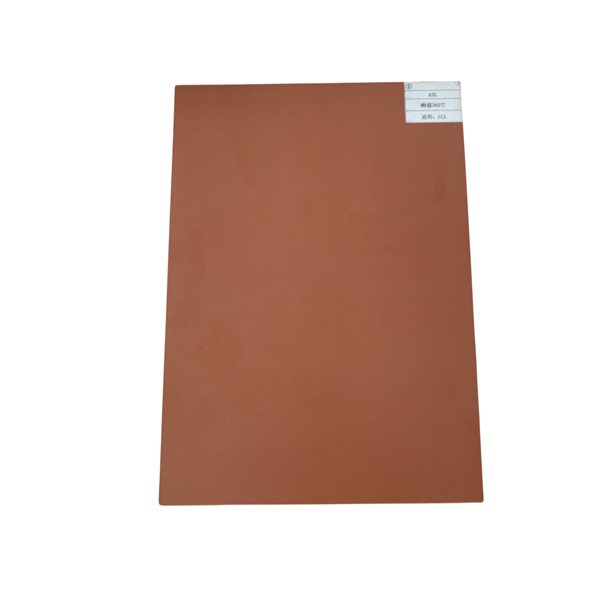
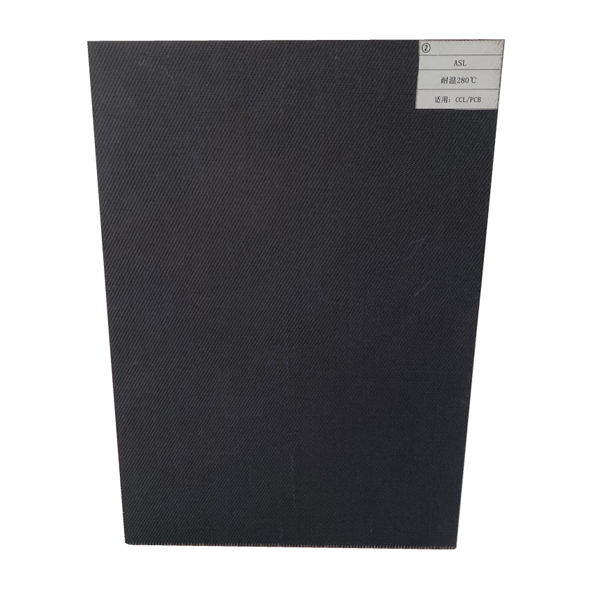
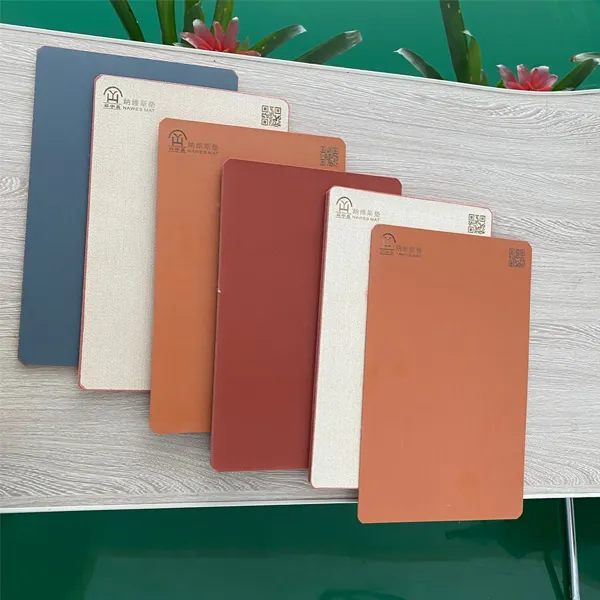
High-performance press buffer pad series: This is the core of our solution. It includes various models ranging from standard type to ultra high-temperature resistant type, from high rebound type to ultra flat type. Customers can select the most suitable product based on their specific press equipment, board types (such as FR-4, high-frequency high-speed boards, HDI), and process window, achieving significant improvement in board edge quality.
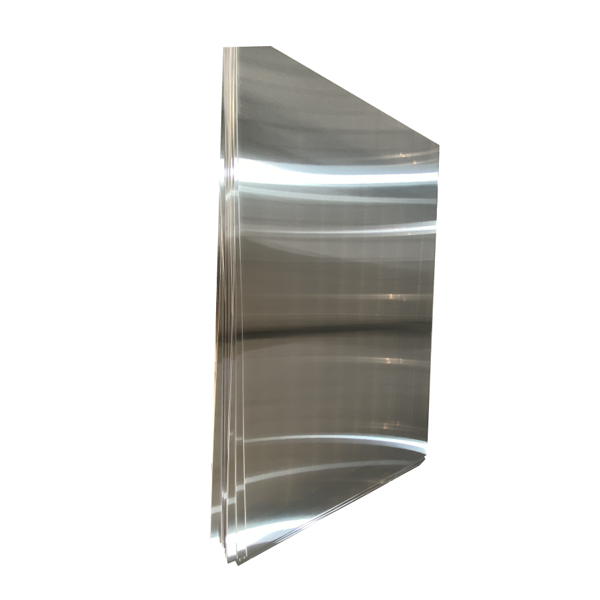
Mirror Plate: As the rigid plane in direct contact with the buffer pad, our mirror plate provides an ideal platform with unparalleled flatness, high hardness, and corrosion resistance, enabling the buffer pad to perform at its best. It serves as the "foundation" for forming a uniform pressure field together with the buffer pad.
Carrier Plate: Similarly precision-machined to ensure rigidity and flatness, it is used to support the entire lamination stack and prevent bending deformation under high pressure, playing a crucial role in maintaining consistent pressure transmission along the vertical axis.
High-Performance Release Film: As the final barrier between the product and the buffer pad, our release film effectively prevents resin adhesion, ensuring a smooth surface after lamination. Its uniform texture also aids in the even distribution of buffer pad pressure, avoiding pressure marks on the board edges.
Four, Practical Evidence: The Transformation from "White Marks" to "No White Marks"
Many customer's practical cases have proven that after switching to our buffer pads specifically optimized for improving board edge white line issues, the effects are immediately noticeable:
White line phenomenon is basically eliminated: The board edge becomes smooth and neat, significantly improving the appearance yield.
Enhanced interlayer bonding strength: Resin filling is thorough, with a notable increase in peel strength and improved product reliability.
Broader compatibility with press machines: Even on old presses or presses with slight unevenness, it demonstrates excellent compensation capability.
Extended Service Life: Excellent aging resistance reduces replacement frequency, lowering overall production costs.
Board edge white lines are not an incurable problem. They are a strict test of the comprehensive performance of the lamination buffer system. As your reliable partner in lamination materials, we are committed to providing not just products, but verified solutions through continuous material technology innovation. Choosing our specialized buffer pads for improving board edge white lines means choosing a relentless pursuit of quality and a solid guarantee of production stability.
Let's work together, starting from the edge of every board, to define a new standard for perfect lamination.
