

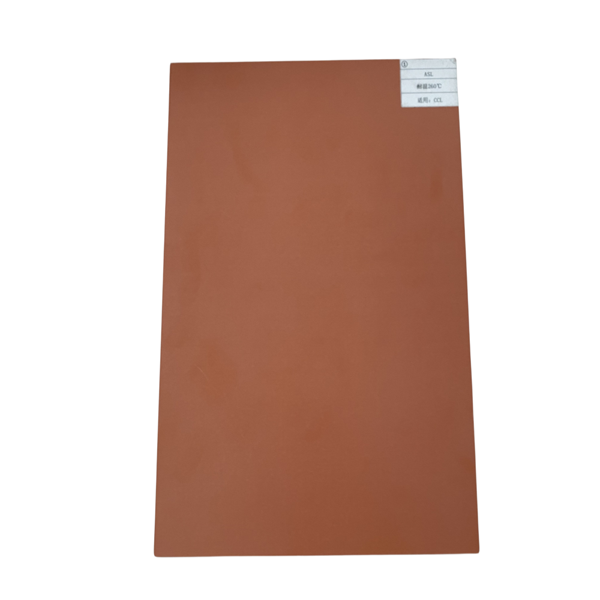
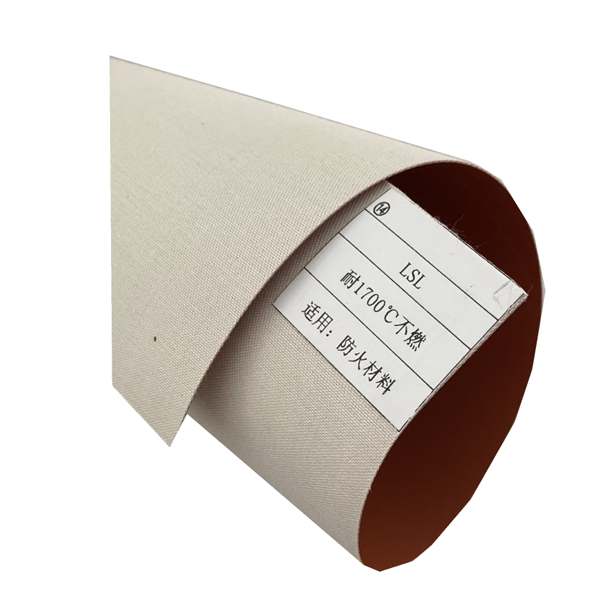
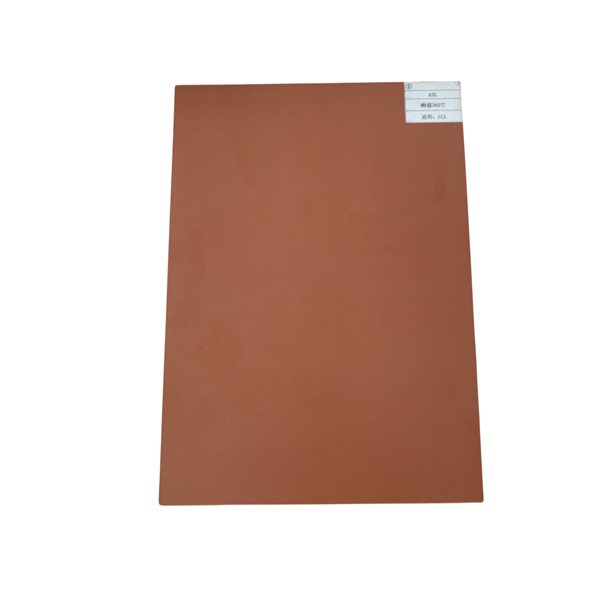
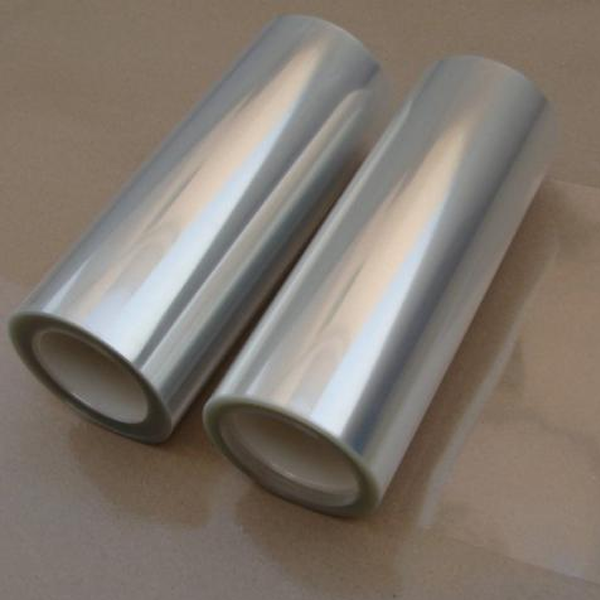
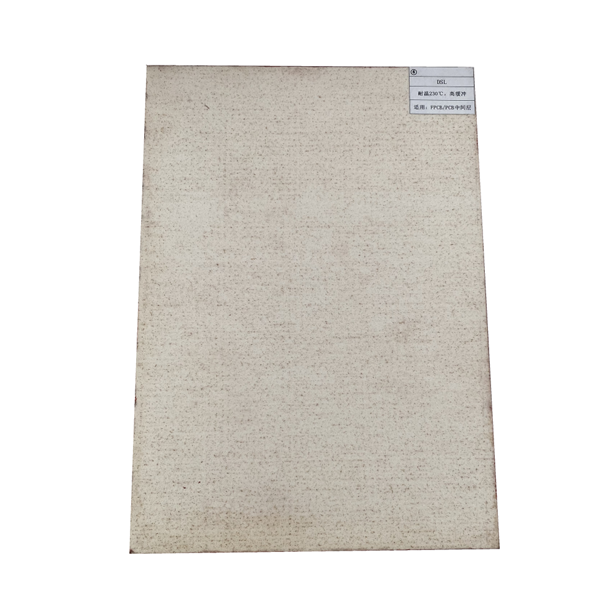
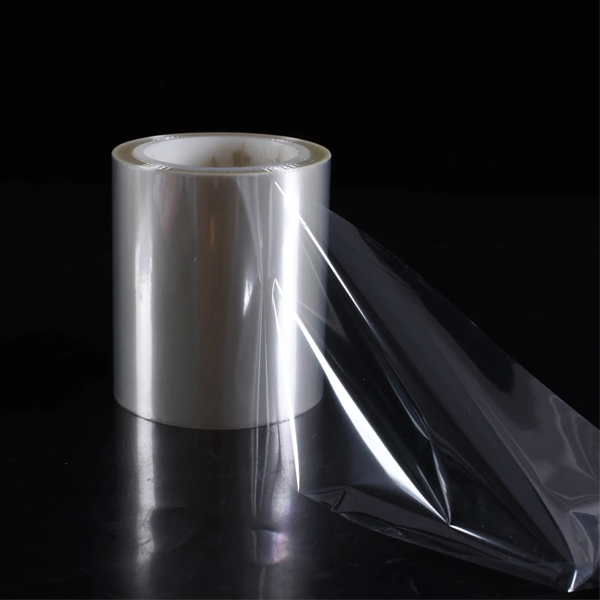
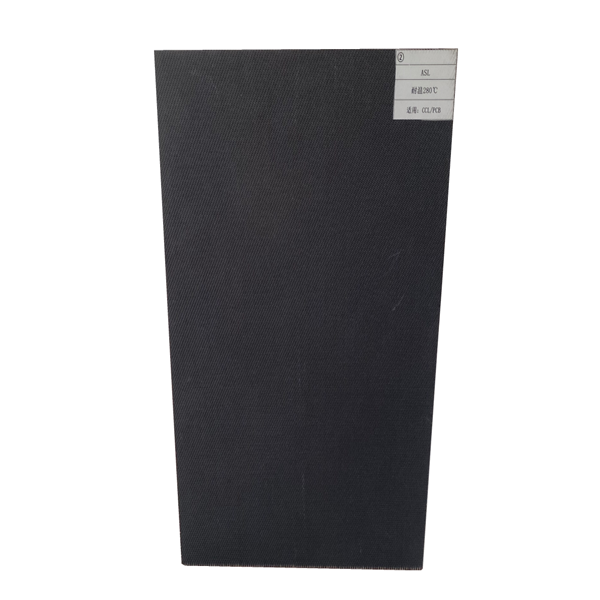
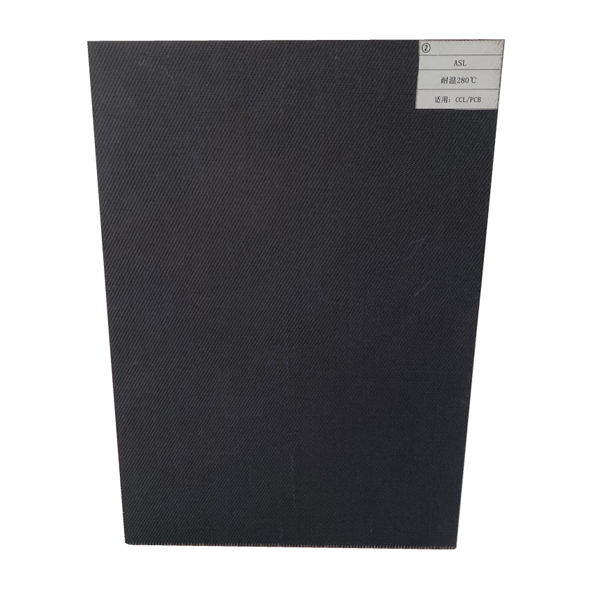
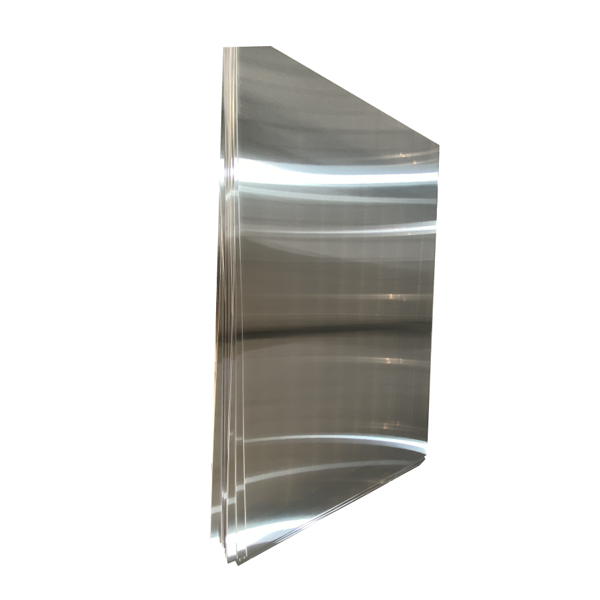
In the manufacturing process of printed circuit boards (PCBs), the pressing process is a crucial part. It tightly combines multi-layer circuit boards through high temperature and high pressure to form a stable and reliable overall structure. However, issues such as uneven pressure distribution and differences in thermal expansion coefficients during the pressing process can affect the quality and performance of the PCB. At this time, the PCB pressing cushion plays an indispensable role, acting as a silent guardian, ensuring the smooth progress of the pressing process and escorting the precision manufacturing of PCBs.
The role of PCB pressing buffer: multi-dimensional guarantee to improve PCB quality
The role of PCB pressing buffer is not a single thing, but provides comprehensive protection for the PCB pressing process from multiple dimensions:
1. Distribute pressure evenly to ensure tight bonding between layers:
Buffer pressure impact to avoid local stress concentration: During the pressing process, huge pressure may cause impact on the PCB, leading to local stress concentration and even cracking between layers. PCB pressing cushioning cushioning can effectively buffer pressure shock, evenly distribute pressure, and ensure that each layer of the board can be evenly stressed and tightly bonded.
Adapt to different thicknesses and provide stable support: PCB pressing buffers have good elasticity and compressibility, and can adapt to different thicknesses of PCBs, providing stable support and ensuring uniformity in pressure distribution during the pressing process.
2. Compensate for thermal expansion differences and reduce interlayer misalignment:
Absorb thermal expansion stress and prevent interlayer misalignment: Boards of different materials have different coefficients of thermal expansion at high temperatures, which may lead to interlayer misalignment and affect the electrical performance of the PCB. PCB pressing cushions can absorb thermal expansion stress, compensate for thermal expansion differences between different materials, reduce interlayer misalignment, and ensure the dimensional stability of PCBs.
Excellent high-temperature resistance and adaptability to the pressing environment: The PCB pressing process is usually carried out in a high-temperature and high-pressure environment, and the PCB pressing buffer needs to have excellent high-temperature resistance, which can maintain stable physical and chemical properties in a high-temperature environment to ensure the smooth progress of the pressing process.
3. Improved Surface Finish and Reduced Defect Generation:
Fill the surface unevenness to obtain a flat surface: There may be subtle unevenness on the PCB surface, which affects the pressing effect. PCB pressing buffer can fill the surface unevenness, making the PCB surface more flat and obtaining a better pressing effect.
Reduce impurity pollution and improve product yield: PCB pressing buffers are usually made of high-purity materials, which can effectively reduce the generation of impurity pollution during the pressing process and improve the product yield of PCBs.
Selection and application of PCB pressing cushion: precise matching to optimize the pressing effect
There are many types of PCB pressing cushioners, with different parameters such as material, thickness, and hardness, which need to be selected according to the specific PCB type, pressing process, and equipment:
Material selection: Common PCB press-fit cushion materials include silicone, fluoroelastomers, polyimides, etc., each with its own unique performance characteristics, such as silicone has good elasticity and high temperature resistance, fluoroelastomer has excellent chemical resistance, and polyimide has high strength and high modulus.
Thickness and hardness: The thickness and hardness of the PCB pressing cushion directly affect its cushioning performance and support strength, and need to be selected based on the thickness and number of layers of the PCB and the parameters of the pressing equipment.
Application scenarios: Different PCB types and pressing processes have different performance requirements for PCB pressing cushions, such as high-frequency PCBs that require choosing buffers with low dielectric constant and low loss factors, while high-density interconnect (HDI) PCBs require high-precision and high-flatness cushions.
The behind-the-scenes hero of precision manufacturing
PCB press cushion, though unknown, plays a crucial role in the precision manufacturing process of PCBs. It acts as a behind-the-scenes hero, ensuring the smooth progress of the pressing process and ensuring the high quality and performance of the PCB. With the continuous upgrading of electronic products, the requirements for PCB are getting higher and higher, and it is believed that more high-performance and multi-functional PCB pressing cushions will emerge in the future to escort PCB precision manufacturing.
