

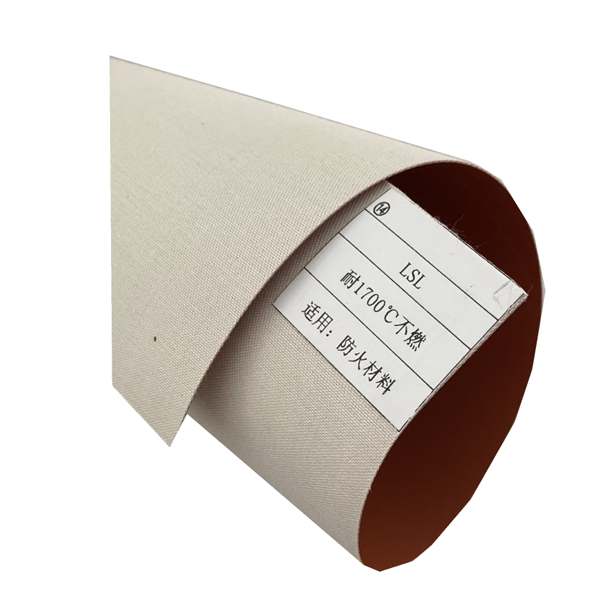
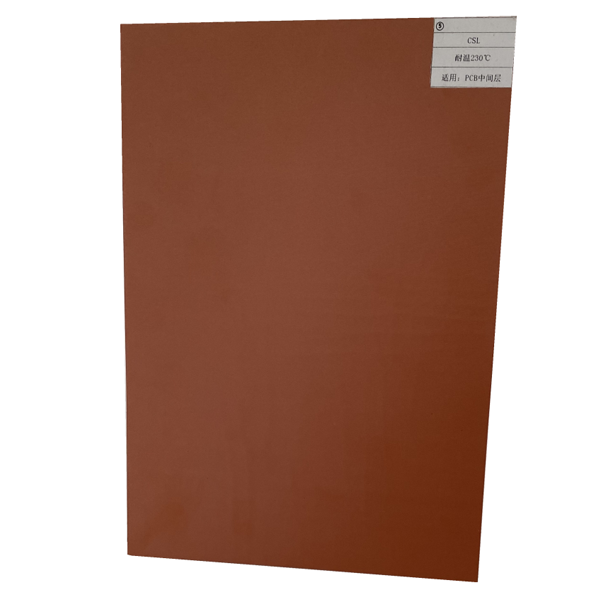
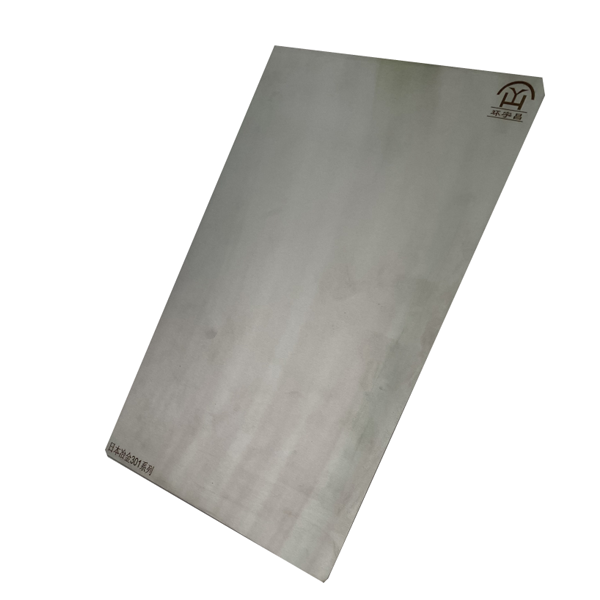
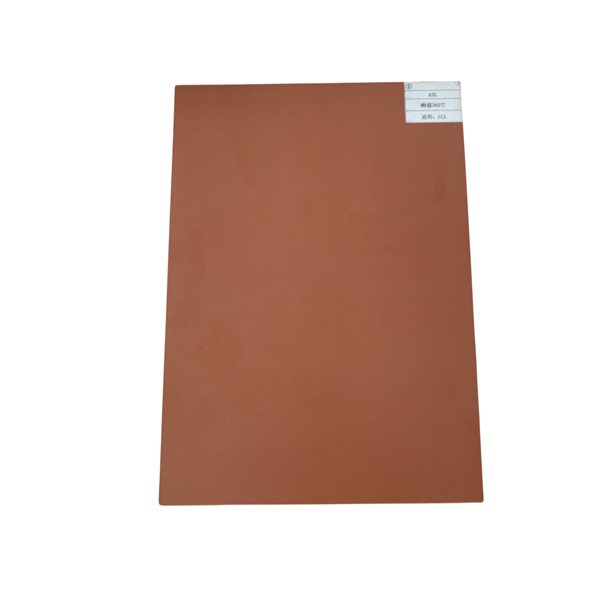
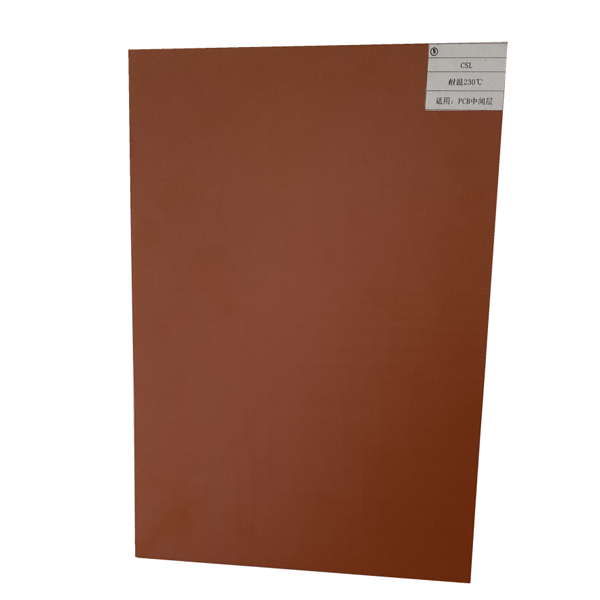
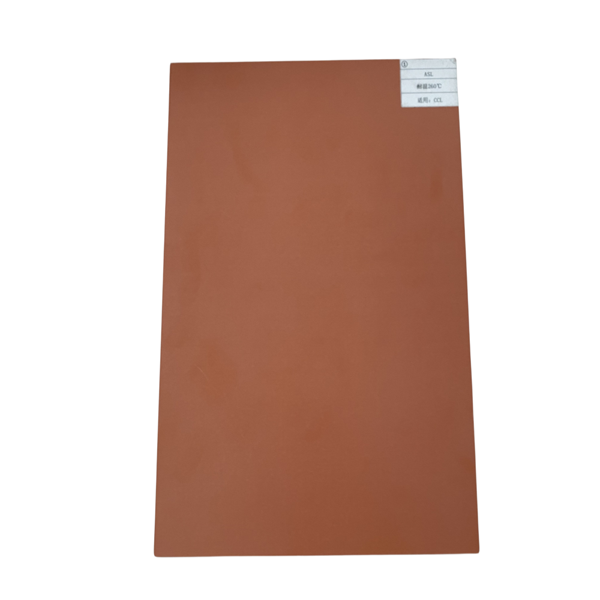
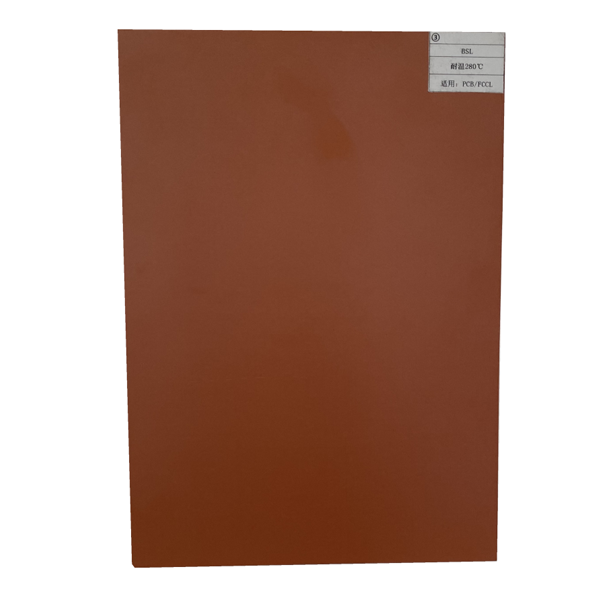
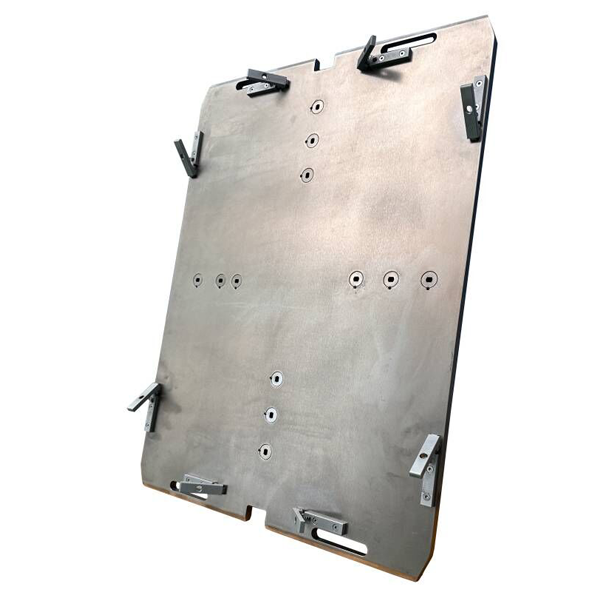
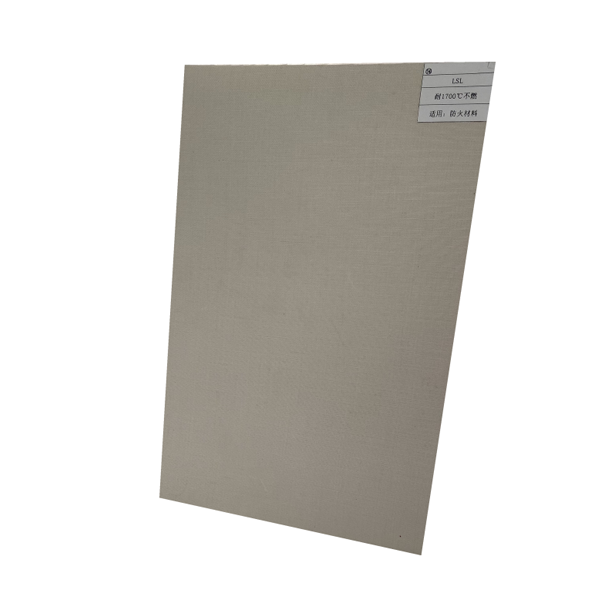
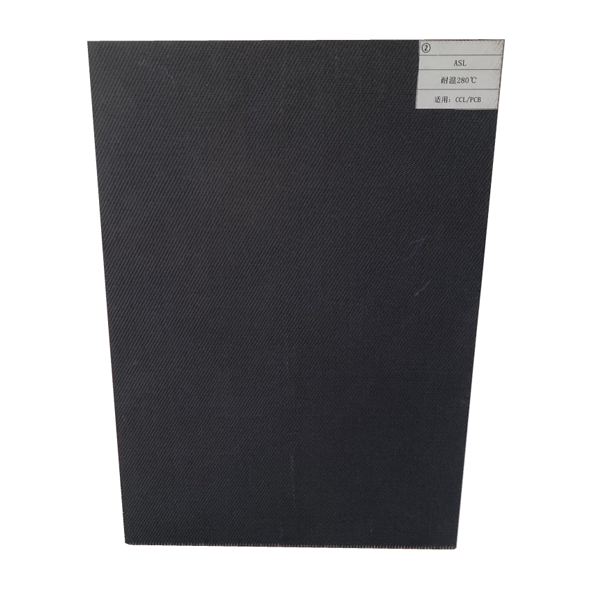
In the PCB manufacturing process, the press-fit process is crucial, directly affecting the interlayer bonding and final performance of multilayer PCB boards. In this process, high-temperature cushioning plays an indispensable role and can be called the secret weapon to improve the yield of PCB manufacturing.
1. Challenges of PCB pressing process
During the PCB pressing process, it is necessary to tightly combine multi-layer copper foil, semi-cured wafer and other materials under high temperature and pressure. However, this process also comes with its challenges:
High temperature: The pressing temperature is usually as high as 180°C or more, which places extremely high requirements on the heat resistance of the material.
High pressure: The pressing pressure is huge, which can easily cause material deformation or damage.
Uneven heating: Uneven heating in different areas of the laminate can lead to inconsistent bonding between layers and affect PCB reliability.
2. Solutions for high-temperature resistant cushioning
High-quality high-temperature cushioning can effectively meet the above challenges and escort PCB pressing:
Good High Temperature Resistance: Made of special materials, it can withstand high temperatures above 200°C for a long time, ensuring stable performance during the pressing process.
Excellent cushioning performance: The texture is soft and elastic, which can effectively absorb pressing pressure and prevent PCB board deformation and material damage.
Good thermal conductivity: The high thermal conductivity allows for uniform heat transfer, ensuring that the laminate is heated evenly and improving the bonding between layers.
Low overflow rate: The surface is smooth and not easy to stick, effectively reducing the phenomenon of glue overflow and reducing the difficulty of subsequent cleaning.
3. The advantages of choosing high-quality high-temperature resistant cushions
Improve PCB yield: Effectively reduce defects such as delamination, bubbles, and deformation during the pressing process, significantly improving PCB manufacturing yield.
Reduced Production Costs: Reduce material waste and rework rates, reduce production costs, and improve production efficiency.
Improve PCB reliability: Ensure uniform and consistent bonding between PCB boards, improving PCB reliability and service life.
4. How to choose high-quality high-temperature cushioning?
Brand reputation: Choose well-known brands for more guaranteed quality.
Product Performance: Pay attention to key indicators such as temperature resistance, cushioning, and thermal conductivity of the product.
After-sales service: Choose a manufacturer that provides perfect after-sales service to solve your worries.
High-temperature cushioning, though small, plays a crucial role in the PCB manufacturing process. Choosing high-quality high-temperature cushioning pads is a wise choice to improve PCB manufacturing yield, reduce production costs, and improve PCB reliability.
