

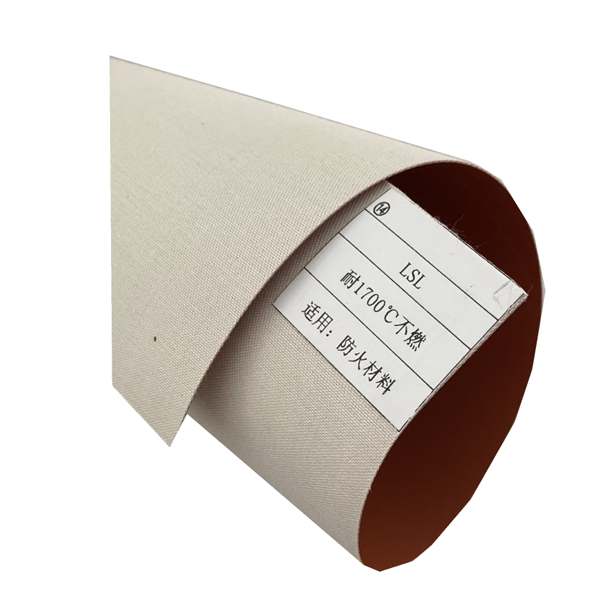
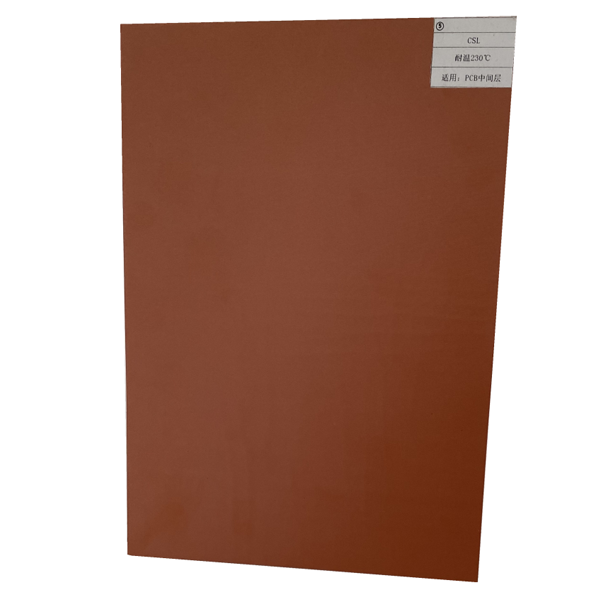
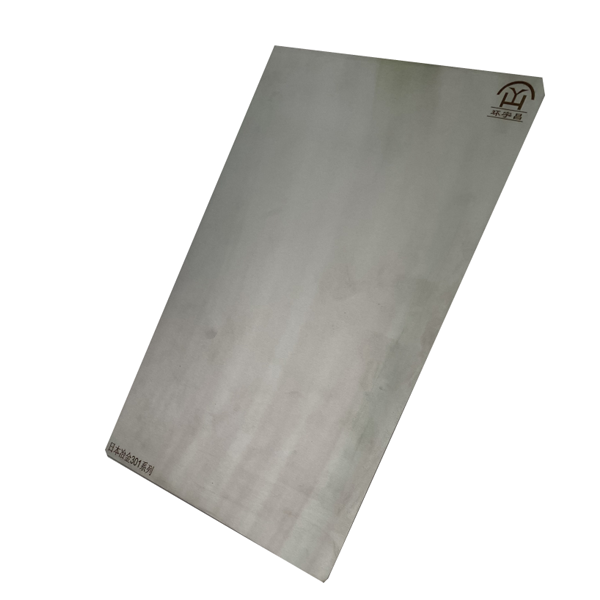
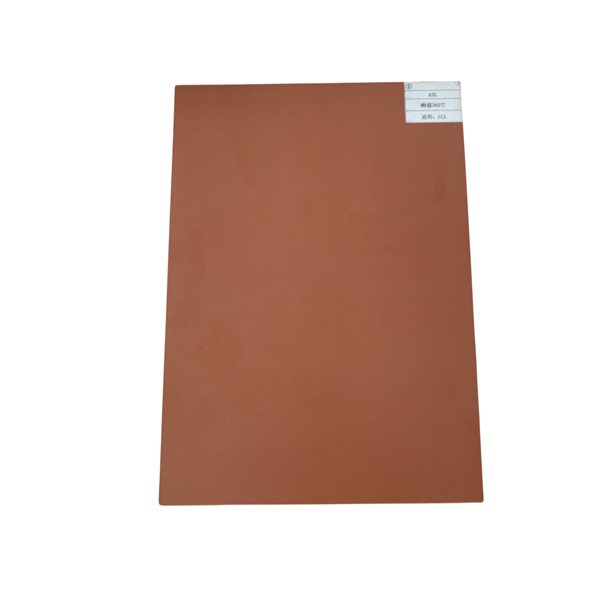
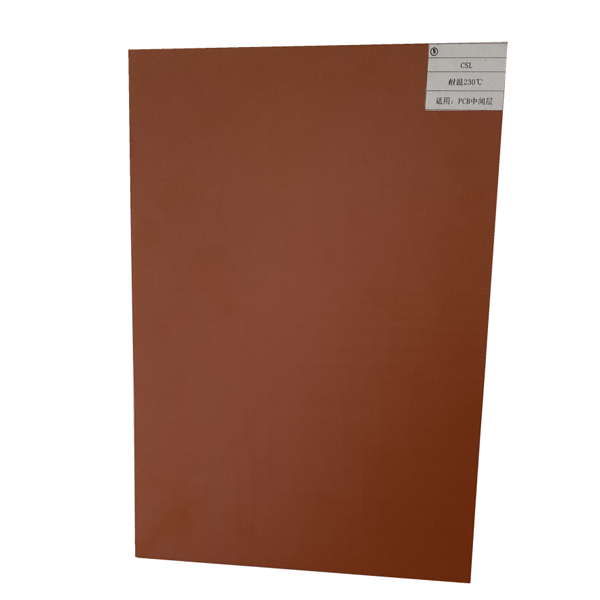
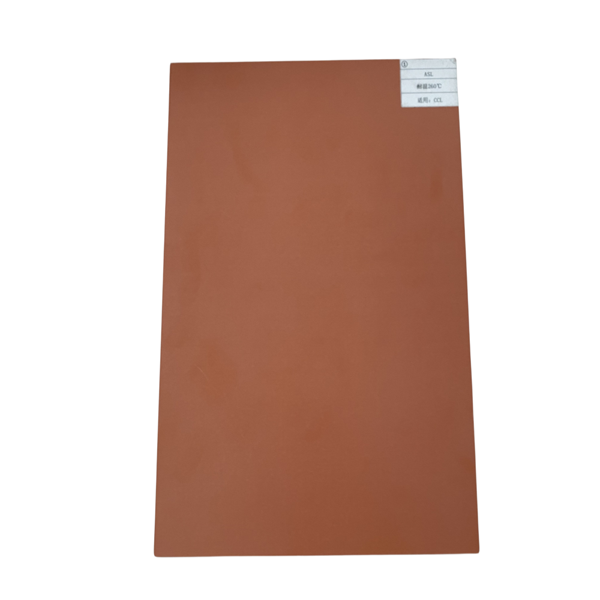
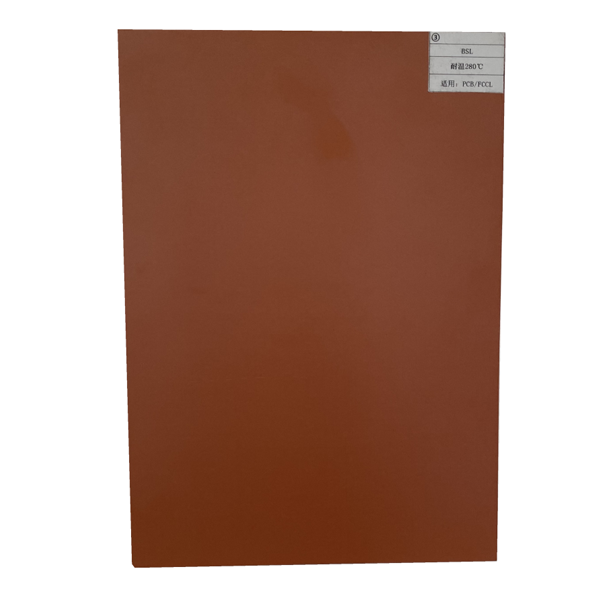
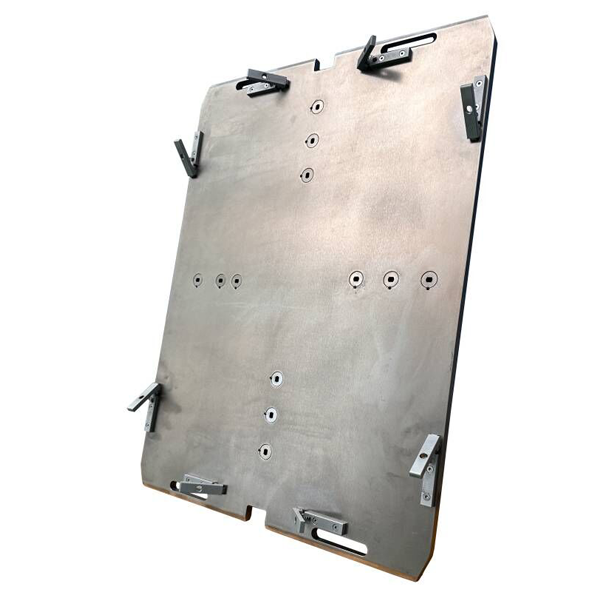
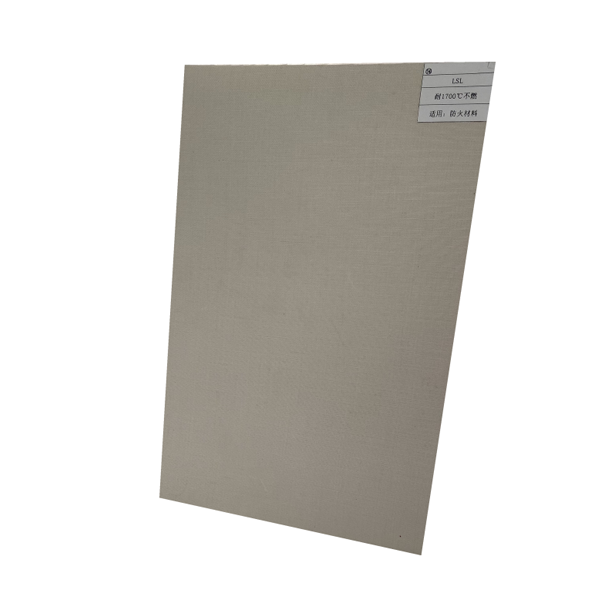
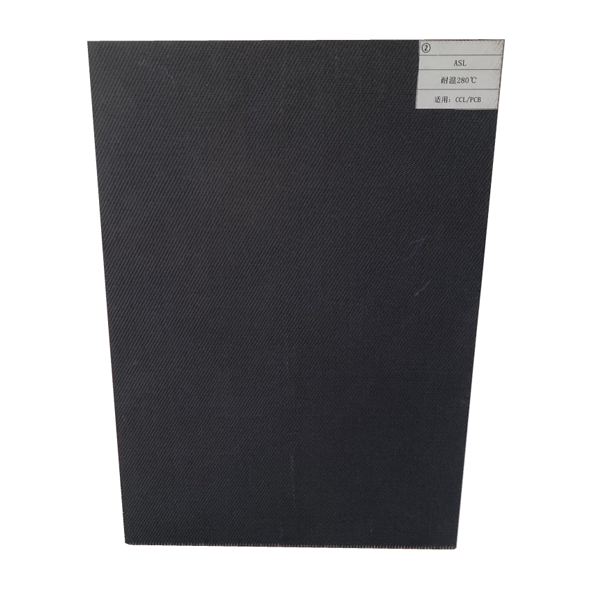
Press-fit cushioning pads are indispensable and important auxiliary materials in the manufacturing process of printed circuit boards (PCBs), mainly used in the press-fit process of multi-layer boards. In the lamination environment of high temperature and pressure, the buffer pad plays a key role in evenly distributing pressure, protecting the board surface, and regulating heat conduction.
As a professional manufacturer of press-fit cushioning products, we are well aware of the important impact of high-quality cushioning on PCB product quality. High-quality press-fit cushioning can significantly reduce defect rates in the production process, improve product consistency, and extend the life of the press-fit equipment.
The core function of the press-fit cushion
Pressure is evenly distributed
During PCB lamination, the primary role of the cushion pad is to ensure that the pressure is transferred evenly:
Eliminate local pressure concentration
Compensate for the small unevenness of the surface of the platen
Ensure that all parts of the multi-layer board are subjected to the same force
Reduces interlayer shifts due to uneven pressure
Surface protection function
The cushion forms a protective layer during pressing:
Prevent the surface of the copper foil from being crushed
Avoid resin sticking to the platen
Reduces surface defects such as indentations
Maintains PCB surface finish
Heat conduction regulation
Premium cushioning with optimized heat transfer properties:
Ensures even heat transfer
Control the resin curing rate
Avoid local overheating
Improve product consistency
Material properties of press-fit cushions
High temperature resistance
PCB pressing temperature is usually in the range of 180-220°C, and high-quality cushioning should have:
Long-term temperature resistance above 200°C
Short-term temperature resistance up to 260°C
Dimensional stability at high temperatures
No harmful substances are released
Resilience
Good elasticity is a key indicator of cushioning:
Compression rebound rate>85%
Strong resistance to permanent deformation
Stable performance after multiple uses
Long service life
Physical stability
High-quality cushioning should have:
Low coefficient of thermal expansion (<20ppm/°C)
Uniform density distribution
Excellent wear resistance
Good tear resistance
Selection guide for pressing cushions
Select by PCB type
Different types of PCBs have different requirements for cushioning:
Ordinary multilayer board: standard type cushioning
HDI board: high-precision cushioning
HF plate: low dielectric cushioning
Thick copper plate: high pressure cushioning
Flexible Plate: Special flexible cushioning
Select according to process parameters
When choosing, consider the following:
Press-fit temperature range
The amount of working pressure
The length of the pressing time
Equipment characteristics
Economic assessment
It is recommended to evaluate from the following perspectives:
Cost per use
Life cycle
Impact on yield
Equipment maintenance costs
Use and maintenance of press-fit cushions
How to use it correctly
To ensure best results:
Check the condition of the cushion before use
Keep the work environment clean
Change positions regularly
Follow the recommended parameters
Maintenance points
Keys to Longer Lifespan:
Clean surfaces regularly
Avoid mechanical damage
Store properly (temperature 15-25°C, humidity 40-60%)
Create a usage profile
Industry development trends
With the development of PCB technology, cushioning is also constantly innovating:
Material innovation
Higher temperature resistant material
Environmentally friendly recyclable materials
Nanocomposites
Functional coating
Structural optimization
Gradient density design
Composite structure
Smart Response Materials
Modular design
Process improvement
More sophisticated production process
Online monitoring technology
Customized solutions
Intelligent management system
As a professional press-fit cushion product manufacturer, we will continue to invest in research and development to provide customers with better products and services, and help the PCB industry advance and improve its quality. Choosing high-quality press-fit cushions is an effective way to improve PCB product quality and reduce production costs
