

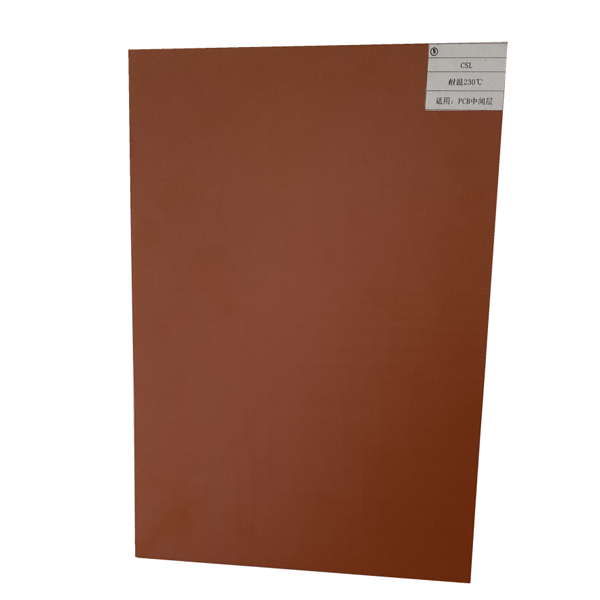
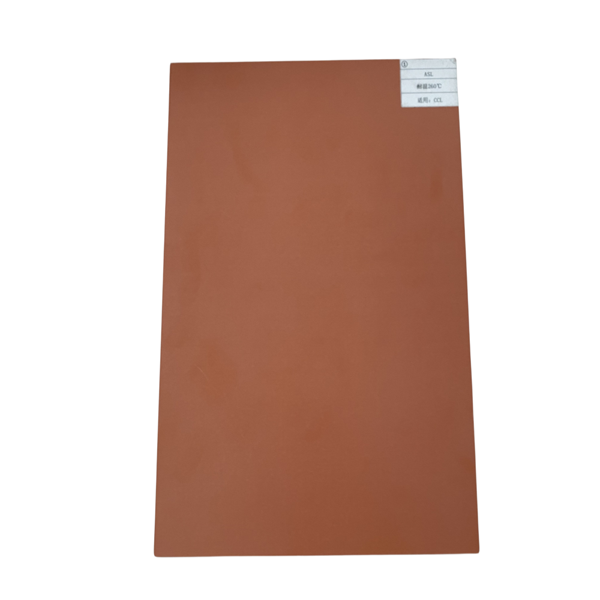
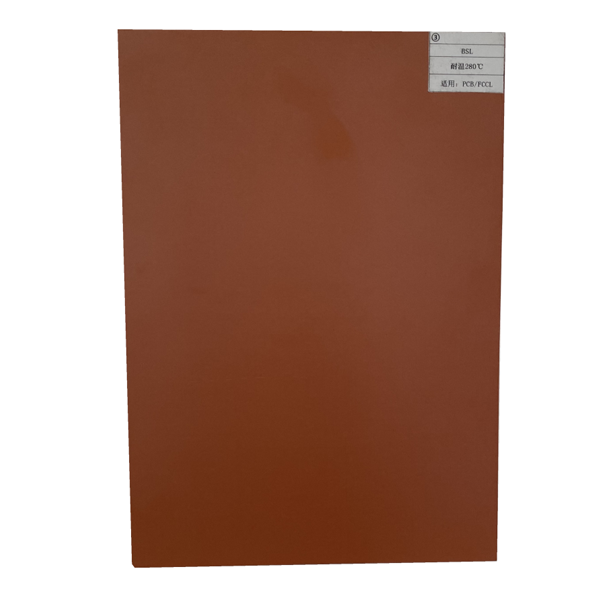
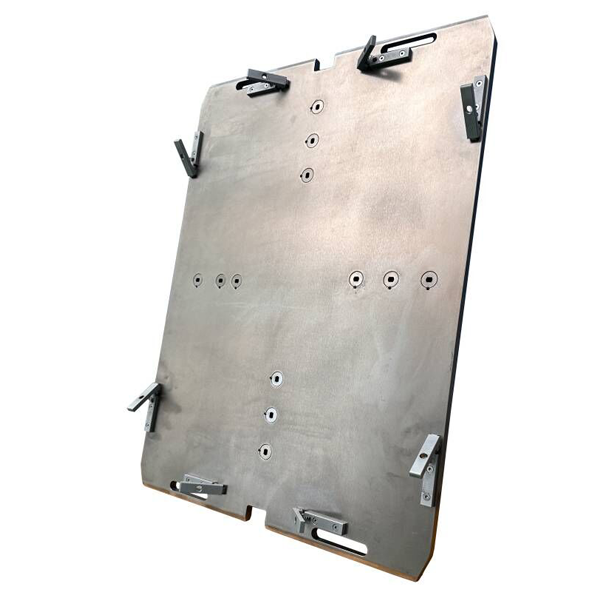
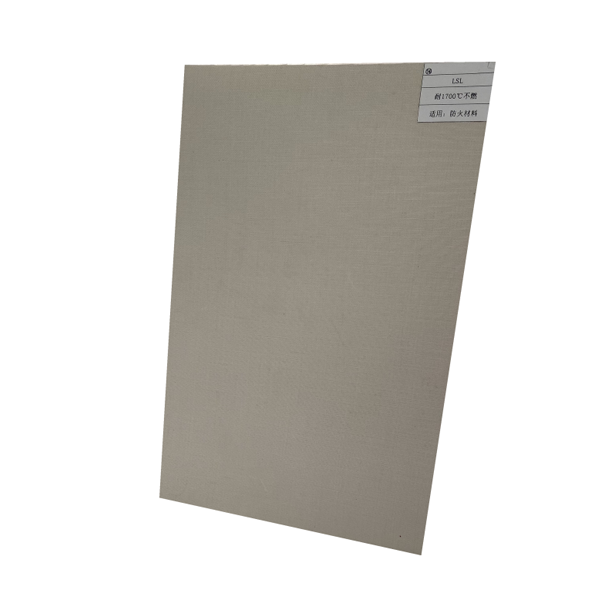
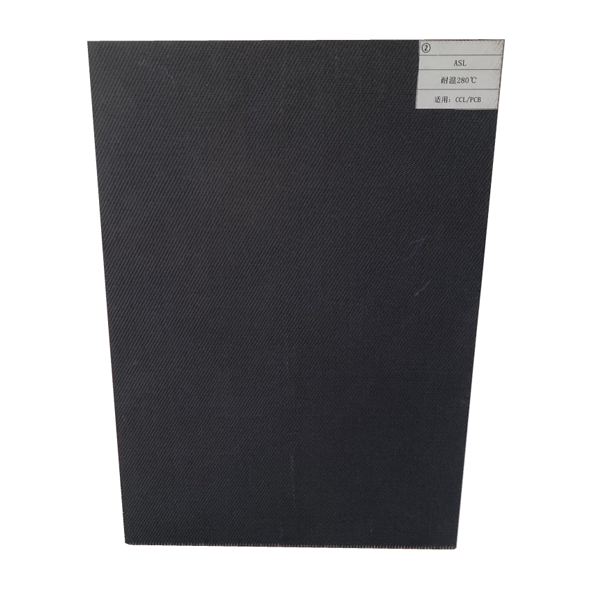
Overview of high-temperature press-fit cushions
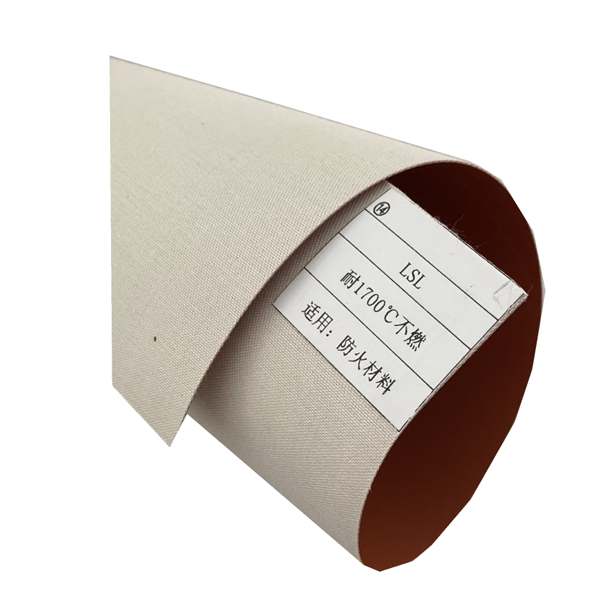
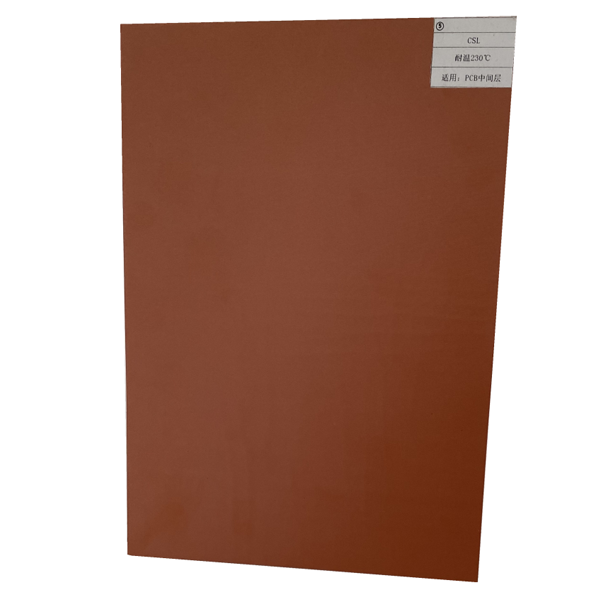
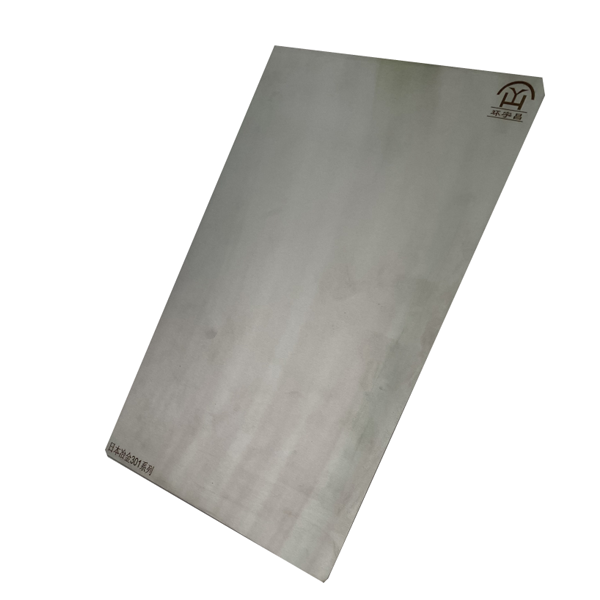
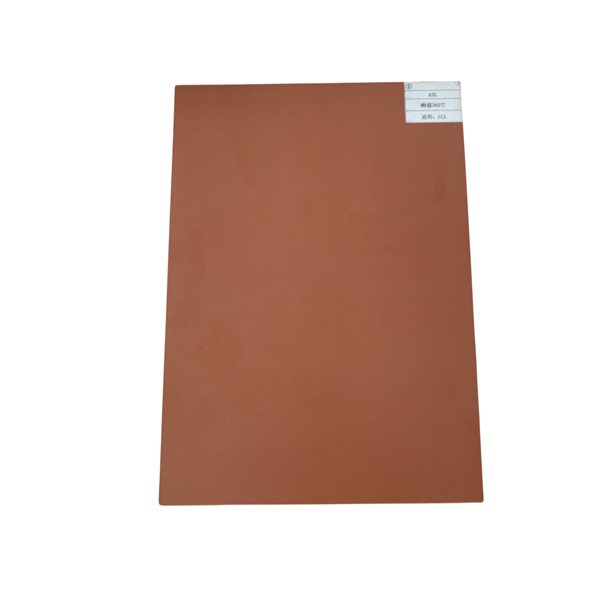
High-temperature press-fit cushioning pads are essential and critical auxiliary materials in the manufacturing process of PCBs (Printed Circuit Boards) and FPCs (Flexible Circuit Boards). As a professional manufacturer, we understand the importance of this special material in the press-down process of electronic circuit boards. The high-temperature pressing buffer can maintain stable performance in high-temperature environments and high-pressure conditions of 180-220°C, ensuring uniform pressure distribution and heat conduction balance during the pressing process of multi-layer plates.
In modern PCB manufacturing, with the increase in the number of board layers and the improvement of line accuracy, the requirements for press-fit processes are becoming increasingly stringent. As an intermediate medium connecting the hot pressing plate and the laminated plate, its performance directly affects the interlayer bonding quality, dimensional stability and electrical properties of the final product. Especially for high-end products such as HDI boards and IC carrier boards, the choice of cushion cushion is more critical.
Core characteristics of high-temperature press-fit cushioning
Good high temperature resistance
Professional-grade high-temperature press-fit cushioning pads are made of specially formulated silicone-based composites or fluoroelastomer, which can operate in high-temperature environments above 200°C for a long time without performance degradation. Unlike ordinary rubber materials, our cushioning pads undergo a special heat treatment process for excellent thermal stability and can withstand hundreds of high-temperature pressing cycles without aging.
Precise pressure regulation
During the pressing process of multi-layer plates, the high-temperature pressing buffer can automatically compensate for the small unevenness of the press platform, ensuring that the pressure is evenly transmitted to the entire plate surface. Through the unique internal structure design, our products achieve "adaptive" characteristics of pressure distribution, effectively preventing problems such as misalignment between layers and uneven resin flow caused by uneven pressure.
Optimized heat conduction
The high-temperature press-fit cushioning pads we have developed have precisely controlled thermal conductivity, which can ensure sufficient heat transfer for the resin to fully cure while avoiding material damage caused by local overheating. For different resin systems (e.g., FR-4, high-frequency materials, halogen-free materials, etc.), we provide special cushioning products with different thermal conductivity characteristics.
Technical advantages of high-temperature press-fit cushioning
Multi-layer composite structure design
Our high-temperature press-fit cushion features a patented multi-layer composite construction:
Surface: Ultra-smooth high-temperature resistant surface layer to reduce friction with release film
Intermediate layer: An elastic cushioning layer that provides even pressure distribution
Base layer: High stability support layer to ensure long-term dimensional stability
This structural design allows the product to have excellent surface properties, cushioning properties, and durability at the same time.
Anti-compression deformation technology
Through special material formulation and vulcanization process, our cushioning pads have excellent resistance to compression deformation. Even after long-term high-pressure use, the original thickness and elastic recovery rate can still be maintained, which greatly extends the service life of the product and reduces the comprehensive cost of use for customers.
Surface treatment process
We use advanced surface nano-coating technology to achieve high surface flatness and excellent anti-stick properties. This treatment not only reduces the use of release film but also effectively prevents resin residue and keeps the pressing environment clean.
Application fields of high-temperature press-fit cushioning
High multilayer PCB pressing
For high-multilayer PCBs with more than 12 layers, we provide high-precision high-temperature press-fit cushioning cushioning with unique pressure equalization characteristics that ensure precise alignment and reliable bonding between layers. Especially in the manufacturing of high-frequency and high-speed boards, our products can effectively control the uniformity of the thickness and ensure the quality of signal transmission.
FPC/IC substrate press-fit
For the special requirements of flexible circuit boards and IC carrier boards, we have developed a series of ultra-thin high-temperature cushioning pads. These products have lower hardness and higher surface flatness, which can adapt to the protection needs of fine lines in FPC pressing and avoid stress damage during the pressing process.
Special material pressing
For pressing of special substrates such as PTFE and ceramic fillers, we provide customized high-temperature resistant solutions. These products optimize heat conductivity and heat capacity based on the curing properties of specific materials, ensuring optimal pressing results for special materials.
How to choose the right high-temperature press-fit cushion
Choose according to the type of product
Conventional FR-4 multilayer board: It is recommended to choose a standard high-temperature resistant cushion, with a working temperature of 200°C and a service life of about 500 times
HDI board: Recommended high-precision type with tighter thickness tolerances and better thermal stability
High-frequency materials: special cushions with low dielectric interference should be selected
FPC/IC carrier board: Ultra-flat soft series should be selected, with a hardness between 40-50 Shore A
Consider the process parameters
When choosing, it is necessary to match the specific pressing process window:
Temperature range: Confirm the maximum temperature tolerated by the cushion
Pressure requirements: Different thicknesses of products have different pressure capabilities
Heating Rate: Rapid heating requires cushioning with specific heat transfer properties
Cramping cycle: Long-cycle pressing requires products with higher durability
Comprehensive cost assessment
It is recommended to evaluate the full life cycle cost perspective:
Calculate the cost of a single press-down (unit price/number of uses)
Evaluate the impact on product yield
Consider replacement frequency and maintenance costs
Comprehensive production efficiency factors
Maintenance guide for high-temperature press-fit cushions
Daily maintenance advice
To extend its service life, it is recommended to follow the following care specifications:
Clean surface residue after each press
Use special cleaning agents to avoid solvent corrosion
Check surface flatness and elasticity regularly
Store flat to avoid bending and deformation
Performance monitoring methodology
We recommend establishing a regular testing system:
Thickness changes are measured weekly
Hardness tests are carried out monthly
Check the surface condition quarterly
Create product usage profiles to track performance changes
Replacement standard
The cushion should be replaced when:
Thickness reduction of more than 10% of the original thickness
irreversible indentations or damage to the surface
The elasticity decreases significantly, affecting the quality of pressing
This leads to an increase in product defect rates
Industry development trend and innovation direction
With the development of electronic devices towards high performance and miniaturization, the PCB manufacturing process is facing new challenges, which also drives the continuous innovation of high-temperature press-fit cushion technology. We are working on the following cutting-edge technology research and development:
Intelligent monitoring buffer: Integrated micro sensors to monitor temperature and pressure distribution during the pressing process in real time
Nanocomposites: Reinforced with nano-fillers to improve temperature resistance and service life
Environmentally friendly formulations: Develop new material systems that comply with RoHS2.0 and REACH standards
Fast thermal response design: Optimize the heat conduction path to meet the needs of fast pressing processes
As a professional manufacturer of high-temperature press-fit cushioning cushions, we not only provide standard products, but also provide customized solutions according to customers' special process requirements. From material formulation, structural design to surface treatment, we have a complete technical chain that can provide PCB/FPC manufacturers with the most suitable press-fit cushion products to help customers improve product quality and production efficiency.
