

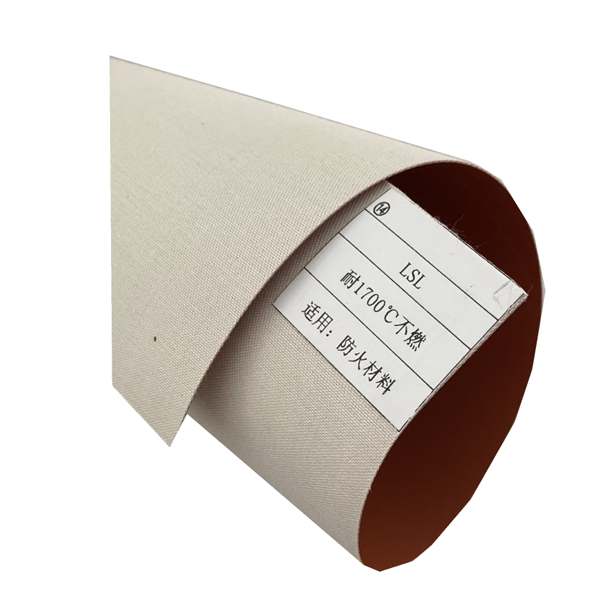
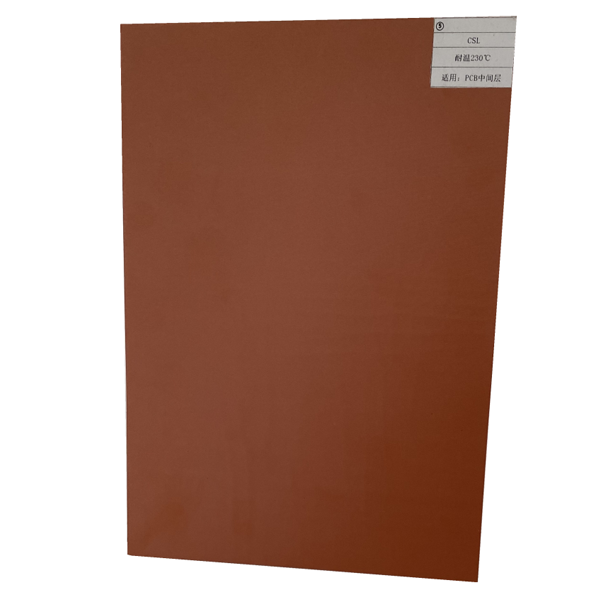
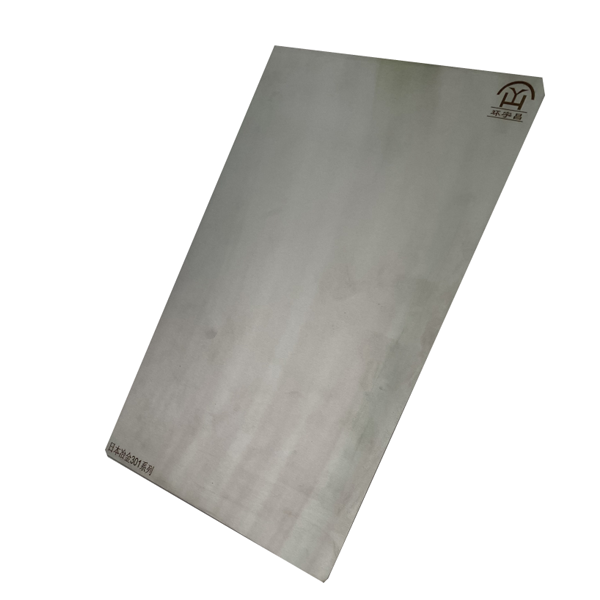
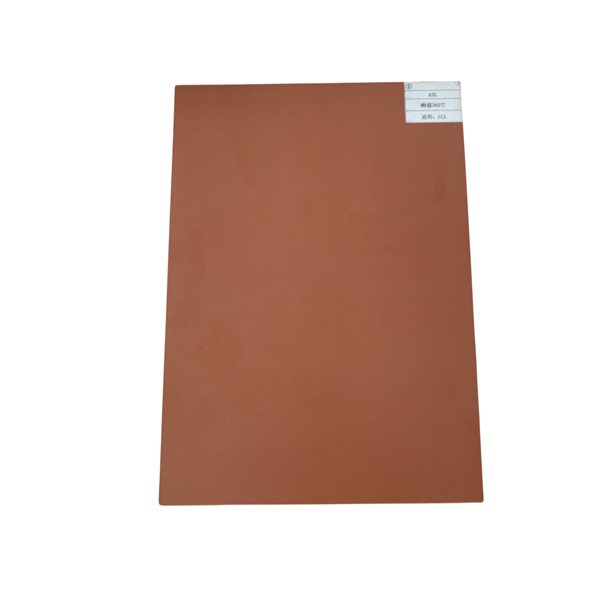
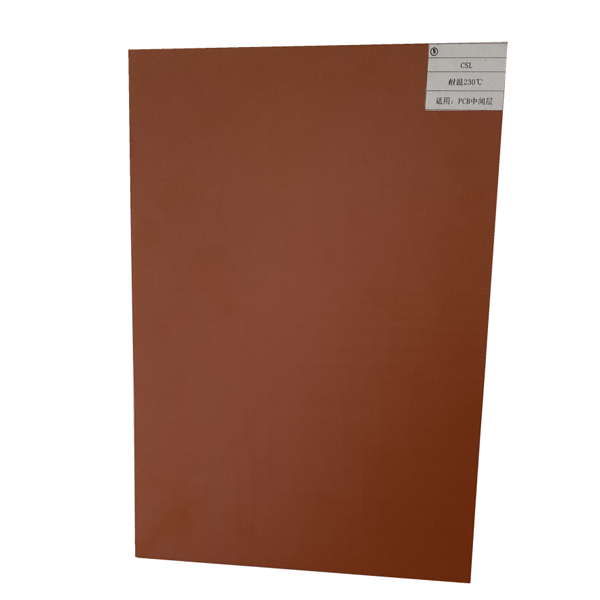
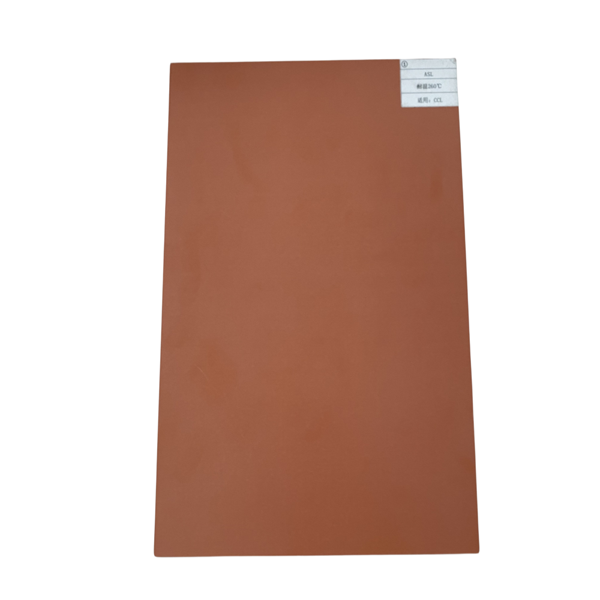
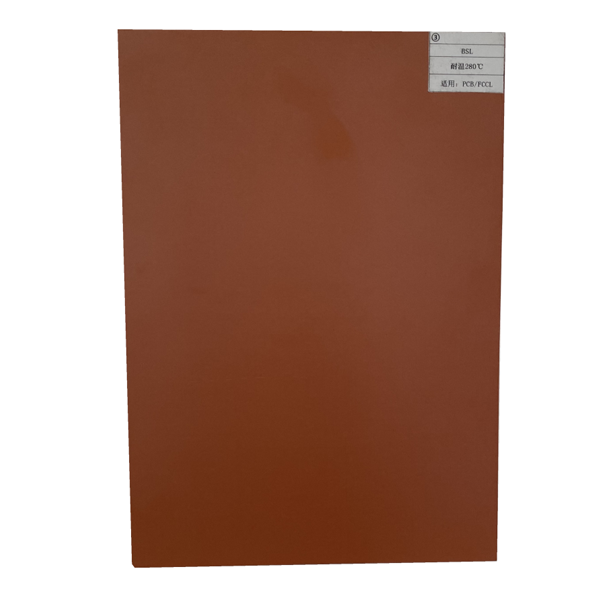
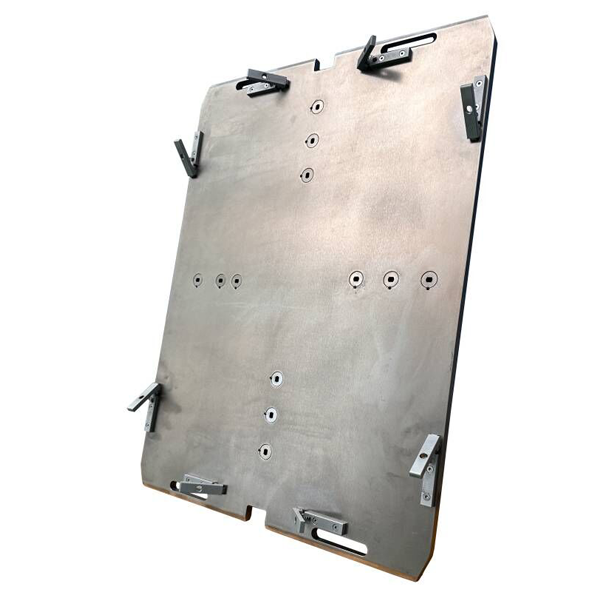
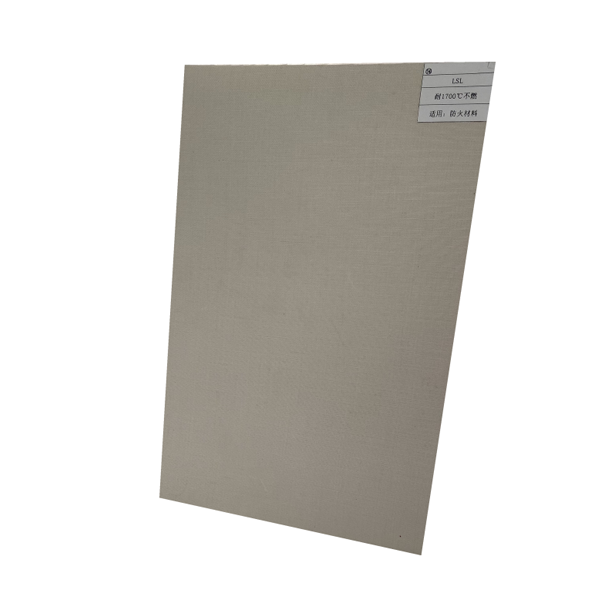
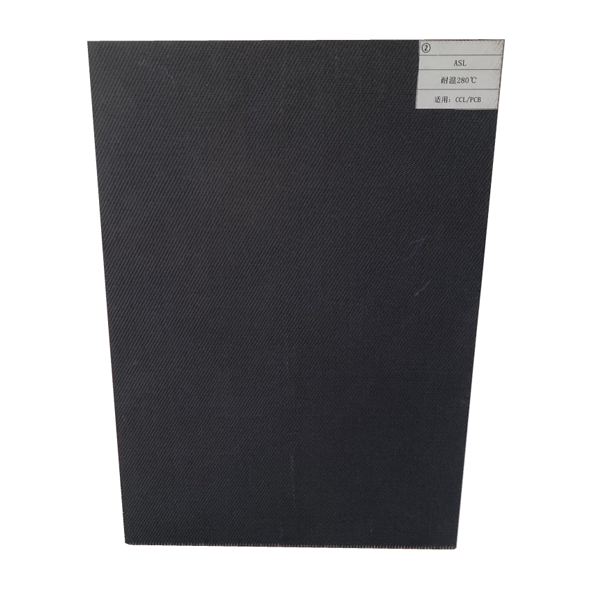
In the field of PCB (Printed Circuit Board) and lamination composite material manufacturing, lamination buffer pads serve as essential consumables, and the procurement decision directly affects production quality and economic benefits. When you search online for "PCB lamination buffer pad prices," you may see quotes ranging from dozens to hundreds of yuan. This naturally raises questions: what exactly differentiates them? As a professional manufacturer of lamination buffer products, we understand that merely comparing price numbers is a common misconception. The true cost-effectiveness lies behind the price, stemming from a deep understanding of total cost of ownership . This article will provide an in-depth analysis of the key factors influencing the price of PCB lamination buffer pads and explain why choosing the "right" buffer pad is far more economical than selecting the "cheapest" one.
I. Price Perspective: Core Factors Affecting the Price of PCB Lamination Buffer Pads
The price of the buffer pad is not without reason; it directly reflects its overall value from raw materials to manufacturing, from technical content to after-sales service. The main influencing factors include:
1. Raw material cost: The foundation of quality
Base material: Mainstream materials on the market include high-temperature resistant silicone, special rubber, and composite fibers. High-performance silicone raw materials cost much more than ordinary rubber or recycled materials. These premium materials endow the buffer pad with excellent heat resistance (able to withstand temperatures above 200°C for a long time), stable physical properties, and extremely low thermal compression set.
Filling and reinforcing system: To enhance heat resistance, wear resistance, thermal conductivity, or strength, various special fillers are added to the formula. The type, purity, and addition ratio of these fillers directly affect the final performance and cost of the material.
2. Production Process and Technical Barriers: The Cost of Precision Manufacturing
Foaming and Vulcanization Process: Uniform and dense micro-cellular structure is crucial for the stability of the buffer pad's performance. Advanced quantitative foaming and high-temperature vulcanization processes require expensive equipment and precise control systems, which are far beyond the capabilities of simple small-scale production.
Precision Grinding and Thickness Control: The thickness tolerance and surface flatness of the buffer pad are of vital importance. We process the material using large-scale precision grinding equipment to ensure that the thickness tolerance of each pad is controlled within a very narrow range (such as ±0.05mm). Although this process increases the cost, it is a prerequisite for ensuring even pressure transmission during lamination.
Non-Destructive Testing and Quality Control: From raw material storage to finished product delivery, strict quality inspection is carried out throughout every stage, such as hardness testing, thermogravimetric analysis, and tear strength testing. These quality control systems prevent defective products from entering the customer's production line, and behind them lies significant management and equipment costs.
3. Performance and Specifications: The Scale of On-Demand Pricing
Size and Thickness: The larger the size and the thicker the material, the more raw materials are consumed, leading to a naturally higher price.
Performance Grades: Products with different positioning such as standard, high-efficiency, and ultra-long-life types have varying formulas, processes, and performance indicators, resulting in significant price differences. For example, a high-performance buffer pad designed specifically for HDI boards or IC carrier boards will inevitably be more expensive than a standard FR-4 buffer pad.
4. R&D and Technical Services: Hidden Value
A responsible manufacturer will continuously invest in R&D to solve new problems encountered by customers (such as improving board edge white lines, enhancing uniformity, etc.). At the same time, the added value services provided, such as professional technical support, press bonding problem diagnosis, and process optimization suggestions, also form part of the product's value.
II. Going Beyond Unit Price: Calculating the "Total Cost of Ownership" of the Buffer Pad
Focusing only on the unit price at the time of initial purchase may lead you into the "low price trap." The true cost should be calculated based on the total cost of ownership throughout the entire usage period.
TCO (Total Cost of Ownership) = Unit Price + Replacement Frequency Cost + Quality Risk Cost + Equipment Deterioration Cost + Production Efficiency Cost
Let's do a detailed comparison:
| Cost items | Low-cost ordinary buffer pads | High-quality high-performance buffer pads | Analysis and Impact |
|---|---|---|---|
| Purchase Unit Price | Low | Higher | At first purchase, low-priced pads seem to save costs. |
| Replacement frequency cost | High | Low | Ordinary pads tend to age, harden, and crack, with a lifespan of only 50-100 cycles. High-quality pads can last 200-400 cycles or even more. Frequent replacement leads to higher material costs and labor costs for downtime and pad changes. |
| Quality risk cost | Very high | Low | This is the biggest hidden cost! Ordinary pads have unstable performance, easily leading to defects such as board edge white marks, sliding boards, dents, and uneven thickness, resulting in product scrap, customer complaints, and order losses. A serious quality accident can easily offset years of cost savings from purchasing buffer pads. |
| Equipment wear cost | Higher | Lower | The buffer pads with uneven hardness and poor flatness will accelerate wear on the mirror steel plate and heat press plate, leading to early damage of these expensive core components, which result in astonishing maintenance or replacement costs. |
| Production efficiency cost | High | Low | The downtime for debugging, frequent replacement, and handling quality issues caused by buffer pads significantly reduces the utilization rate of the press and overall production efficiency, affecting the ability to deliver orders on time. |
Conclusion is clear: A single high-priced but long-lasting and stable quality buffer pad has much lower cost per press operation compared to a cheap but short-lived one. More importantly, it helps avoid unpredictable quality risks and production disruption losses.
Three. Wise Choice: How to Make the Most Cost-Effective Procurement Decision?
When facing price differences, how should you choose?
1. In-depth evaluation of your requirements:
Product type: Are you mainly producing standard FR-4 boards, or do you have extremely high quality requirements such as HDI, high-frequency high-speed boards, or IC carrier boards?
Process requirements: What are your lamination temperature and pressure profiles? Do you have any special requirements for resin flow and gas discharge?
Quality goals: What level of tolerance does your customer have for board thickness uniformity and surface quality (no white streaks, no impressions)?
2. Seeking professional manufacturers for technical communication:
Do not make a decision solely based on online quotations. Contact professional manufacturers like us, and provide your process parameters and challenges. Our technical sales team can recommend the most suitable and cost-effective model for you, rather than just pushing the most expensive products.
3. Request samples and conduct strict on-site testing:
"Practice is the sole criterion for testing truth." Ask the manufacturer to provide samples and conduct small batch testing on your production line. Pay special attention to:
Is the white edge improved?
Has the thickness uniformity been enhanced after lamination?
Has the service life of the buffer pad (number of lamination cycles) been extended?
Is the surface flat and compatible with your mirror steel plate and release film?
Test data is the most powerful weapon to break price doubts and prove value.
4. Focusing on long-term cooperation:
Choosing a supplier with strong R&D capabilities, a complete quality inspection system, and reliable after-sales service means you can obtain continuous technical support and stable product supply. When your process upgrades or you encounter new pressing issues, a professional partner can provide timely solutions, and this value far exceeds the difference in price at a single moment.
Invest for value, not for price
In the increasingly competitive market environment, the core competitiveness of PCB manufacturers lies in the stable and reliable high-quality output. As a key medium to achieve this goal, the value of pressing buffer pads should never be obscured by a simple "unit price."
We are not only the producers of pressing buffer pads, but also your strategic partner in improving pressing quality and reducing overall costs. We provide a full range of pressing solutions, from high-performance buffer pads, mirror steel plates, carrier trays to release films, ensuring system compatibility and achieving optimal performance.
When you revisit the "PCB press cushion pad price," we hope you will join us in looking beyond the numbers to understand the true value it represents: stability, reliability, and high efficiency. Invite us to contact you for samples and testing, and let us prove with facts and data that a wise investment can bring long-term returns.
