

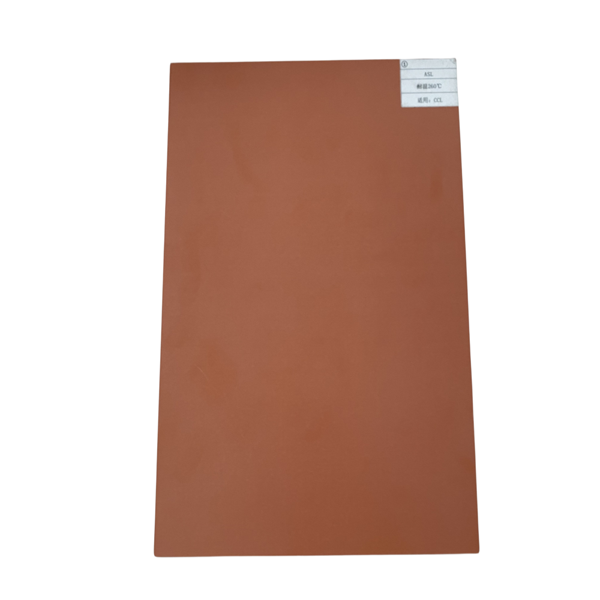
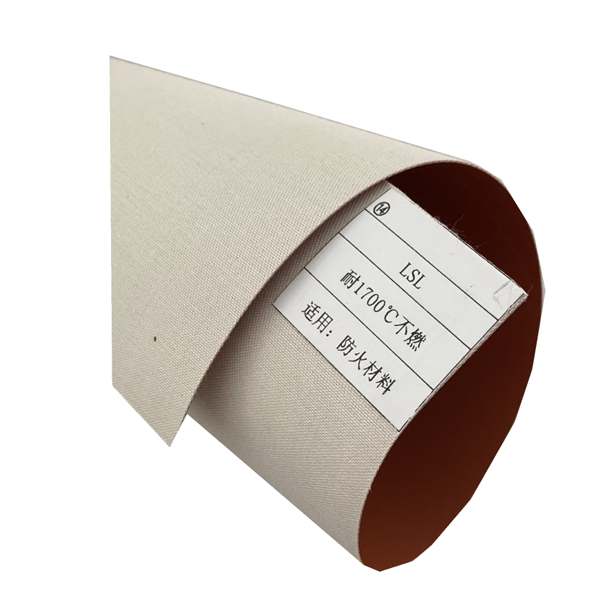
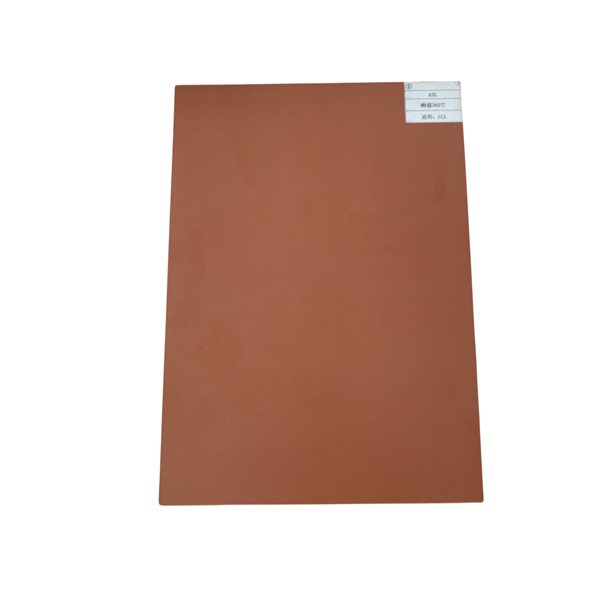
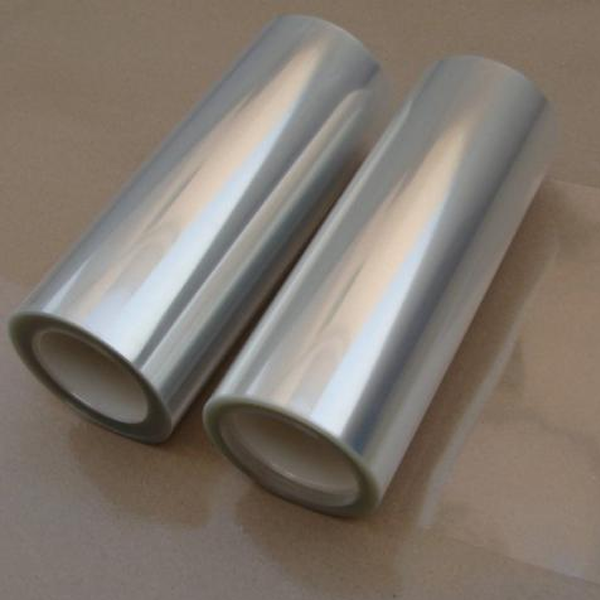
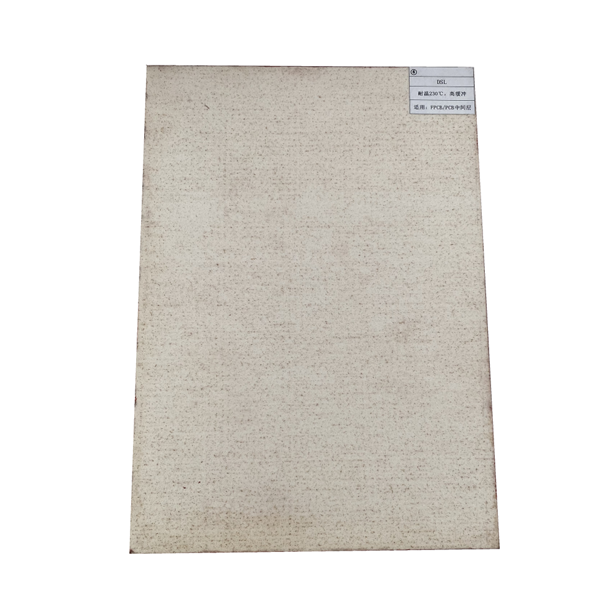
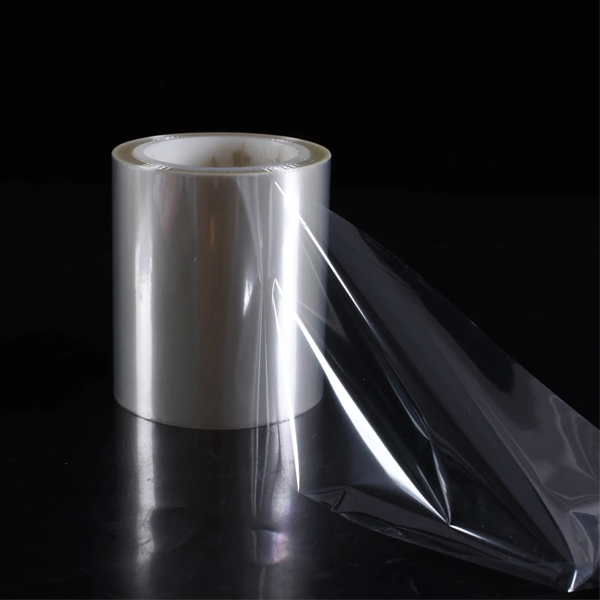
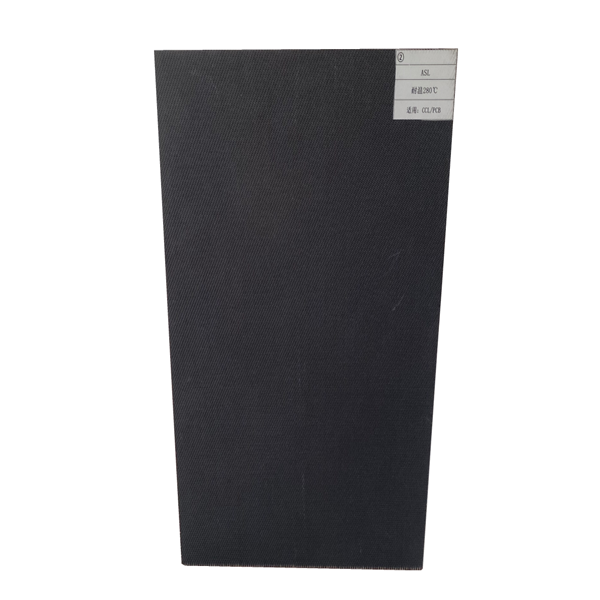
With the rapid development of the electronics manufacturing industry, circuit boards, as the core components of electronic products, are related to product performance. As a key material in the pressing process, the circuit board press-fit buffer plays an important role in ensuring the quality of the circuit board.
The core function of the board press-on buffer
Disperse pressure to ensure board integrity
Uniform pressure distribution is crucial during board press-fitting. The board crimping buffer has good flexibility and can evenly distribute the pressure applied by the pressing device to the surface of the board. In this way, the local pressure is avoided due to deformation and scratches on the circuit board, and the integrity of the circuit board circuits and components is effectively protected, and the defective rate is reduced.
Buffer temperature and reduce thermal stress effects
The pressing process is accompanied by changes in temperature, and sharp temperature fluctuations can cause thermal stress on the board, which in turn can cause deformation or delamination. With its special material properties, the board pressing buffer can buffer temperature changes, delay heat transfer, create a relatively stable temperature environment for the circuit board, and reduce the damage of thermal stress to the circuit board's performance.
Fill voids and improve the fit
When a multilayer board is pressed, there may be tiny gaps between the layers. The board press-fit cushion fills these gaps under pressure, facilitating resin flow and ensuring a tight fit between layers, enhancing overall board stability and reliability.
Analysis of key indicators of circuit board pressing buffer
The choice of material influences
The cushioning pad is made of various materials, such as silicone, rubber, etc. Different materials have differences in high temperature resistance, chemical resistance, insulation, etc. Silicone material has excellent high-temperature resistance and is suitable for high-temperature pressing process. The cost of rubber material is low and is widely used in some conventional pressing scenarios. Manufacturers need to carefully choose the appropriate material for the board pressing buffer according to their own pressing process needs.
Key points for purchasing board press-fit cushions
Adapt to your own production process
When purchasing a circuit board pressing buffer, it is first necessary to combine its own pressing process requirements. Factors such as pressing temperature, pressure, and production batch are included to ensure that the performance indicators of the buffer pad can adapt to production needs and ensure the smooth progress of the pressing process.
Focus on product quality and stability
It is crucial to choose a reputable supplier with a strict quality control system. The quality stability of the buffer can be evaluated by checking the supplier's production qualifications, customer evaluations, and performance testing of samples, so as to avoid affecting the production progress and circuit board quality due to product quality problems.
Reasonable consideration of costs and benefits
While cost is an important factor in purchasing decisions, price alone cannot be used as a selection criterion. Factors such as the service life and use effect of the cushioning pad should be comprehensively considered to choose cost-effective products. Although the unit price of high-quality circuit board press-fit cushions may be high, they can reduce long-term production costs and improve production efficiency due to their good performance and long service life.
Board press-fit cushions, though seemingly inconspicuous, play an integral role in the board manufacturing process. Understanding its functions, key indicators, and mastering the correct purchasing methods is of great significance to ensure the quality of the circuit board and improve production efficiency.
