

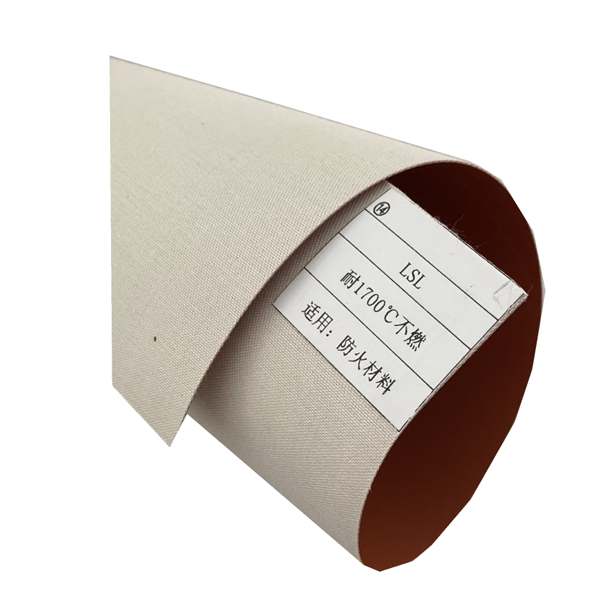
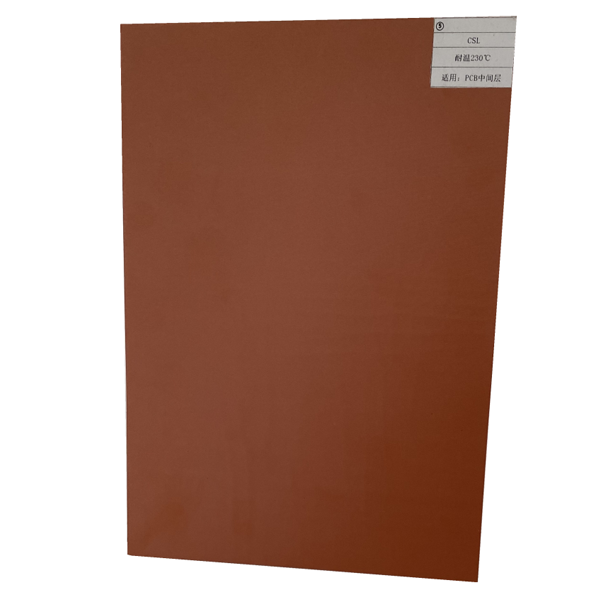
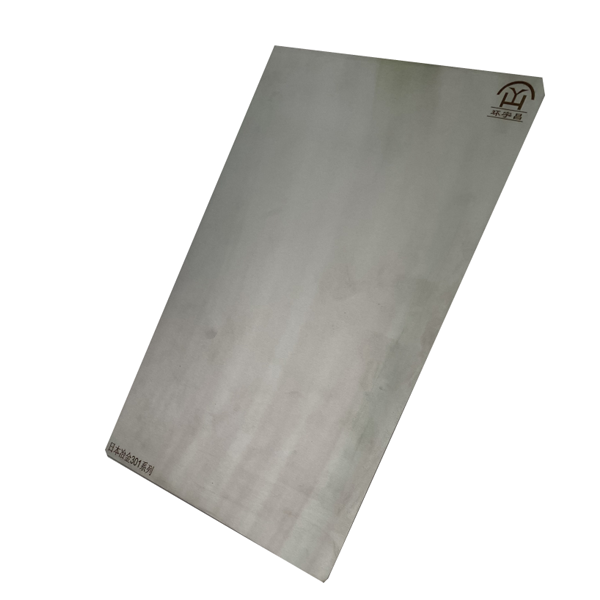
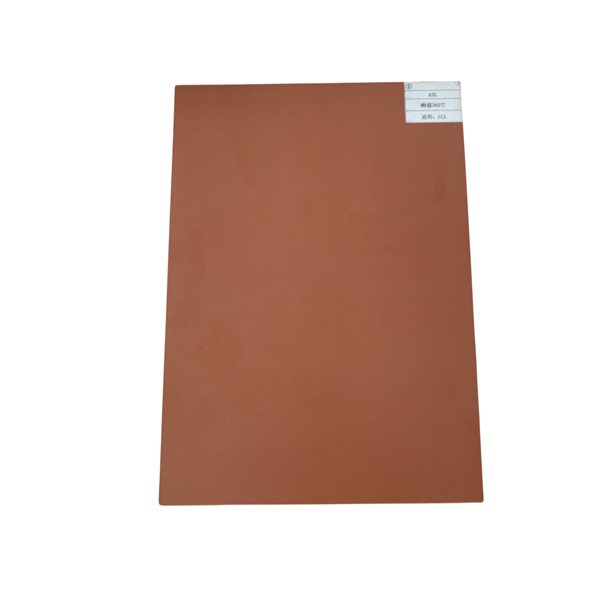
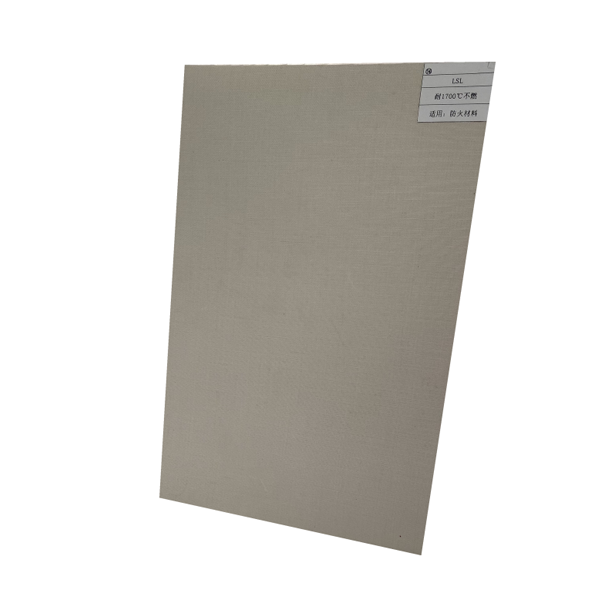
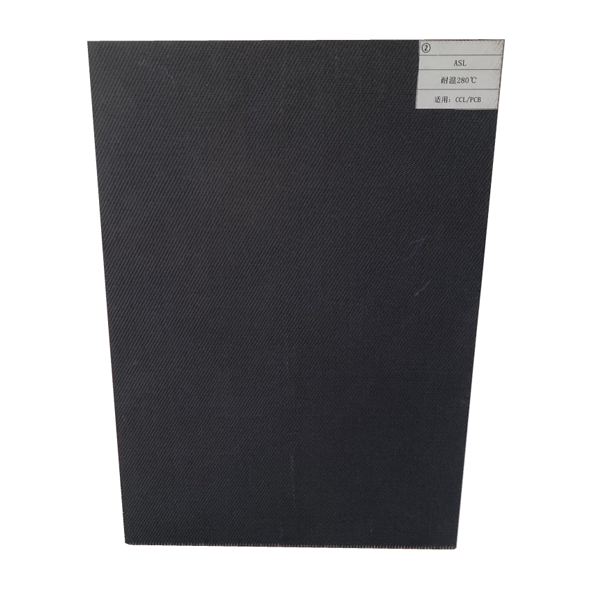
Overview of laminated mirror steel plates
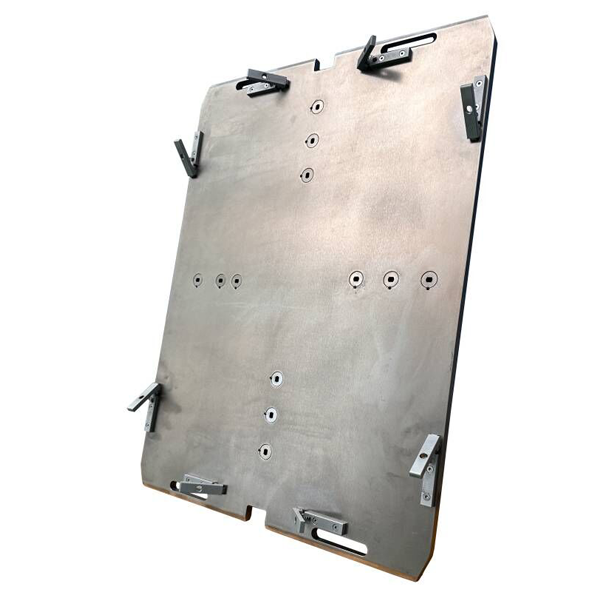
Laminated mirror steel plates are the core tool material in the pressing process of PCB (printed circuit board) and FPC (flexible circuit board) multilayer boards. As a professional manufacturer, the laminated mirror steel plates we produce play an irreplaceable role in the PCB manufacturing process with their ultra-high flatness and excellent surface finish. This special steel plate is placed between the hot plate of the press and the buffer pad, which is directly related to the uniformity of pressure transfer and the balance of heat distribution.
In the field of modern PCB manufacturing, with the development of line accuracy below 20μm, the flatness and surface quality requirements for laminated mirror steel plates have reached unprecedented heights. A high-quality laminated mirror steel plate not only needs to have extremely high mechanical strength, but also needs to maintain dimensional stability in long-term high-temperature working environments, which puts forward strict requirements for material selection and processing technology.
Key characteristics of laminated mirror steel plates
Ultra-high surface flatness
The laminated mirror steel plate we produce adopts a precision grinding process, and the surface flatness is controlled within 0.02mm/m². This level of flatness ensures uniform pressure transfer during the pressing process, avoiding uneven resin distribution or thickness differences between PCB layers caused by uneven steel plates. This high flatness is especially important for HDI board manufacturing.
Excellent surface finish
Through a special mirror polishing process, the surface roughness of our steel plates can reach less than 0.05 μm, which is equivalent to a true mirror effect. This extreme surface finish reduces friction between the cushion and release film, preventing wrinkles or scratches during pressing, and also facilitates release and reduces resin residue.
Excellent high temperature resistance
Selected high-quality alloy tool steel material, after special heat treatment process, our laminated mirror steel plate can work for a long time in a high temperature environment above 200°C without deformation. Its coefficient of thermal expansion is carefully matched to ensure dimensional stability during temperature changes without affecting the pressing accuracy due to thermal expansion and contraction.
Technical advantages of laminated mirror steel plates
Advanced material formulation
We have developed proprietary alloy formulations that excel in the following areas:
High temperature hardness retention rate of more than 95%
The thermal fatigue life is more than 3 times that of ordinary steel
It has excellent corrosion resistance and is suitable for various pressing environments
Heat conduction is uniform and local overheating is avoided
Precision machining technology
Multi-stage grinding and polishing technology is used to ensure that the steel plates meet the highest quality standards:
Rough machining: ensure the flatness of the foundation
Semi-finishing: Correcting microgeometry
Precision grinding: Achieve sub-micron accuracy
Mirror Polishing: Achieve an optical-grade surface
Strict quality control
Each laminated mirror steel plate is fully inspected before leaving the factory:
3D flatness scanning
Multi-point measurement of surface roughness
Micro hardness test
Thermal deformation simulation test
Verification of actual pressing effect
Application fields of laminated mirror steel plates
High multilayer PCB pressing
For high-multilayer PCBs with more than 16 layers, our high-precision mirror steel plates ensure uniform resin flow and precise alignment between layers. Especially in the manufacturing of high-frequency and high-speed plates, the heat conduction uniformity of steel plates is crucial for controlling the thickness tolerance.
Production of carrier boards and packaging substrates
In the field of IC substrates and packaging substrates, we offer ultra-flat mirror steel plates with surface quality that meets semiconductor-level manufacturing requirements. These plates typically require higher hardness and flatness to accommodate more precise pressing processes.
Special material pressing
For special substrates such as PTFE and ceramic fillers, we have developed a series of special mirror steel plates. These products are specially optimized in terms of material selection and surface treatment to adapt to the curing characteristics of different resin systems.
How to choose the right laminated mirror steel plate
Choose according to the type of product
Conventional FR-4 multilayer plate: standard mirror steel plate, thickness 8-12mm
HDI board: high-precision type, flatness ≤ 0.015mm/m²
High-frequency material: special steel plate with low thermal deformation
FPC/IC substrate: ultra-flat type, surface roughness Ra≤0.03μm
Consider the process parameters
The selection should match the specific pressing process requirements:
Operating temperature range
Maximum pressure demand
Steel plate size specifications
Thermal conductivity
Service life expectancy
Comprehensive benefit assessment
It is recommended to consider the following from a total cost of ownership perspective:
Initial purchase cost
Impact on product yield
Maintenance and renovation costs
Life cycle
There is room for improvement in production efficiency
Maintenance and maintenance of laminated mirror steel plates
Specifications for daily use
To extend its life, follow these operating guidelines:
Handle gently to avoid collision damage
Clean surfaces regularly to keep them dust-free
Use special isolation materials to prevent direct contact
Hang vertically or lay flat on a special rack for storage
Cleaning and maintenance methods
Proper cleaning procedures include:
Use neutral detergents and soft non-woven fabrics
Avoid using abrasive cleaning tools
Dry immediately after cleaning
Perform regular professional-grade deep cleaning
Renovation and restoration
Professional refurbishment can be considered when the steel plate has the following conditions:
The surface is slightly scratched
The local flatness decreases
Reduced surface finish
Thermal performance is slightly attenuated
Industry development trend and innovation direction
With the continuous advancement of PCB technology, laminated mirror steel plates are also facing new development opportunities:
Intelligent steel plate: Integrated temperature sensing network to monitor heat distribution in real time
Nanocoating technology: further improves surface performance and longevity
Composite steel plates: combine the advantages of different materials
Quick Mold Change System: Modular design for increased productivity
As a professional laminated mirror steel plate manufacturer, we not only provide standardized products, but also provide customized solutions according to customers' special process needs. From material selection, heat treatment processes to surface processing, we master core technologies and are committed to providing PCB/FPC manufacturers with the highest quality pressing tools to help customers gain an advantage in the fierce market competition.
