

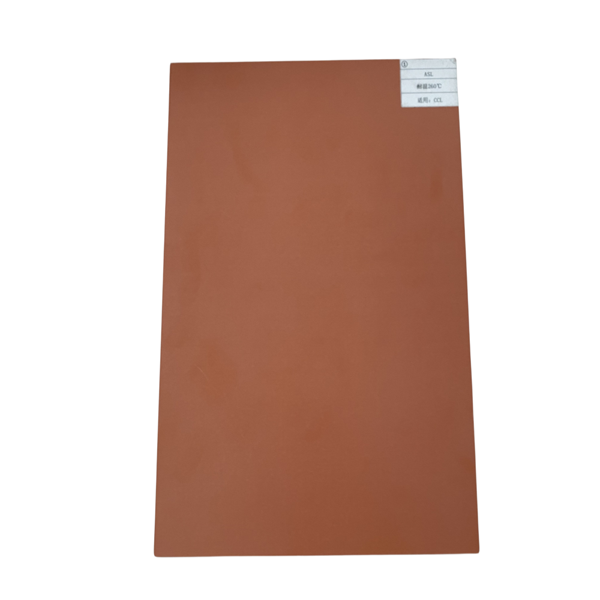
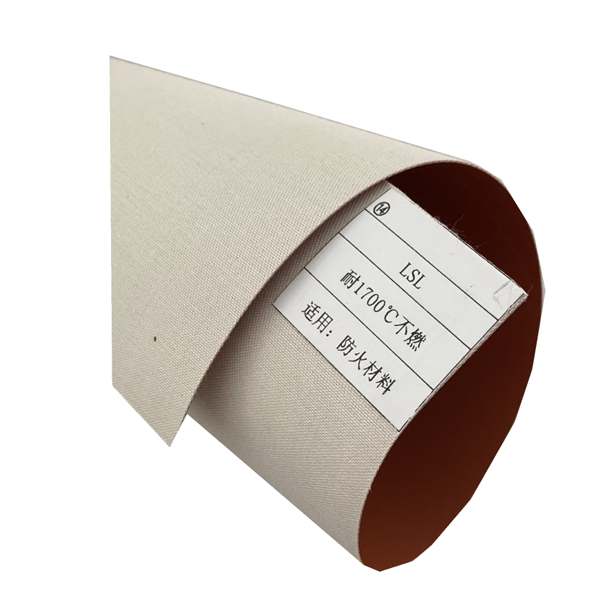
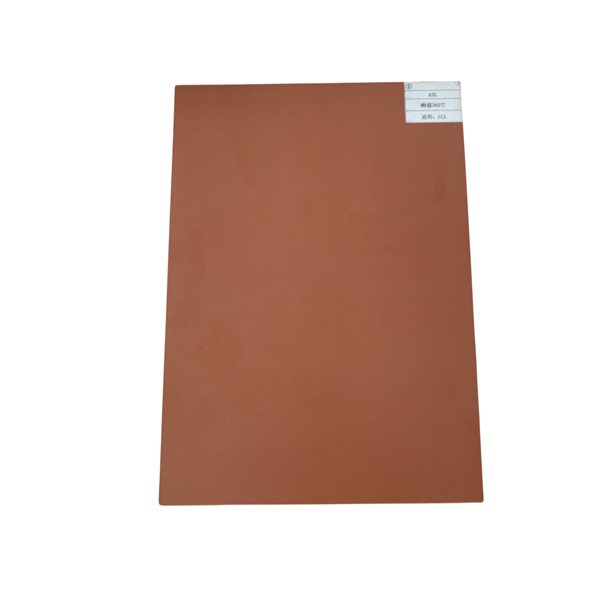
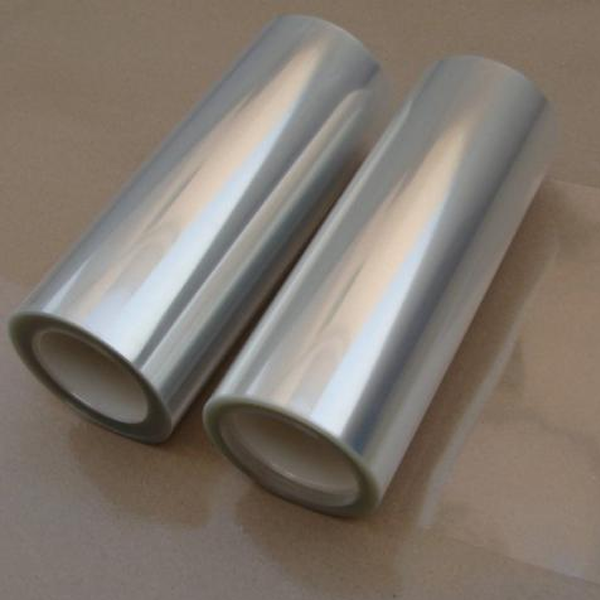
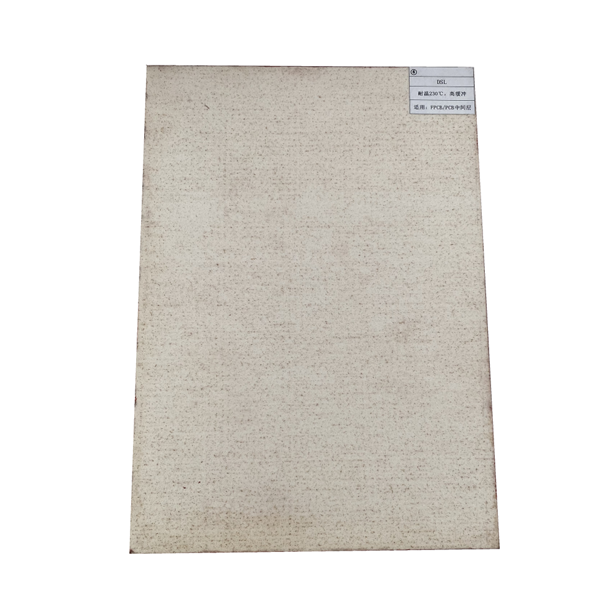
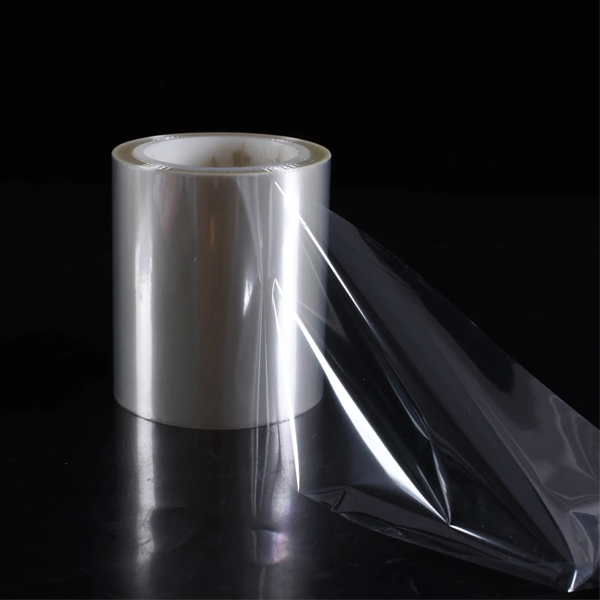
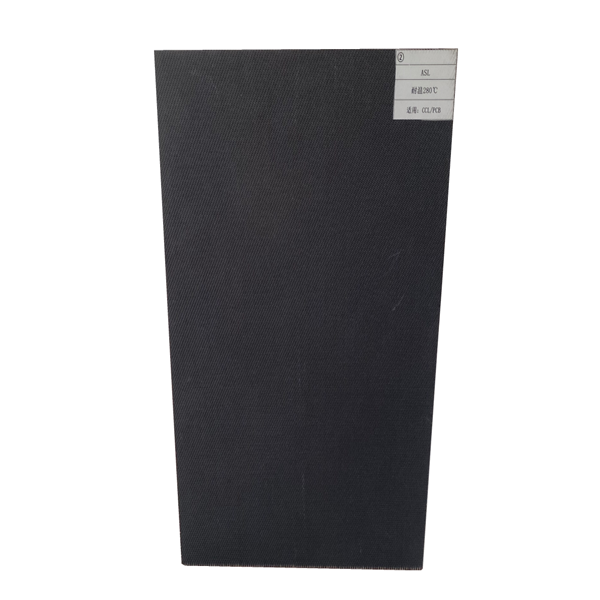
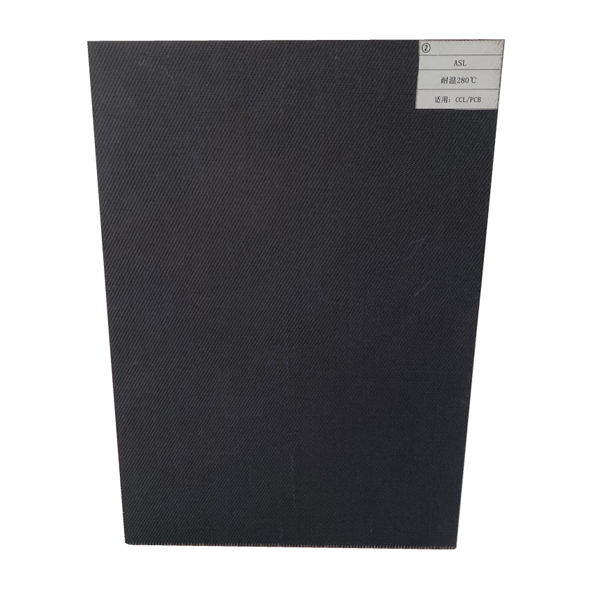
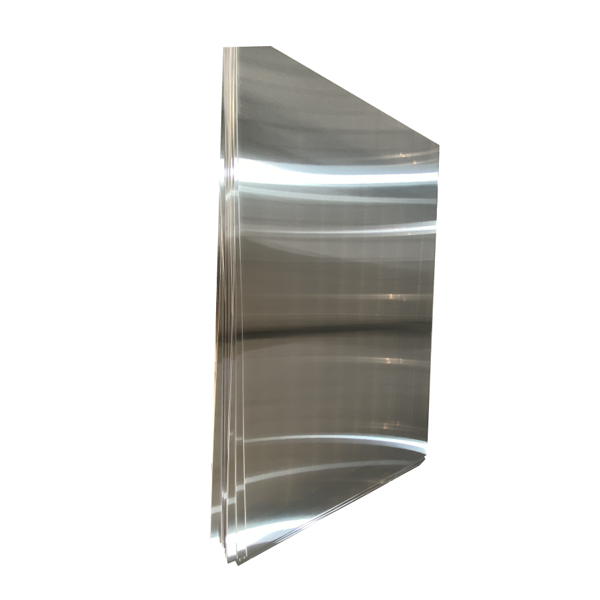
Circuit Board High-Temperature Buffer Pads are essential auxiliary materials in the manufacturing process of printed circuit boards (PCBs), playing a crucial role in the lamination process of multilayer boards. As a professional manufacturer of lamination buffer pads, we fully understand the importance of this special material in ensuring the quality of PCBs under high-temperature and high-pressure conditions.
The requirements for PCBs in modern electronic devices are constantly increasing, especially in fields such as 5G communication, artificial intelligence, and automotive electronics. These application scenarios have raised higher standards for the reliability and stability of circuit boards. High-temperature buffer pads have become key components in PCB manufacturing under such circumstances, with their main functions including:
High Temperature Protection: Maintain performance stability at pressing temperatures of 180-220℃
Pressure Buffering: Evenly distribute the high pressure of 200-400psi applied by the press
Surface Protection: Prevent damage to the copper foil and substrate of the circuit board during lamination
Dimensional Stability: Ensure precise alignment between layers of multilayer boards
Thermal Conduction Equilibrium: Promoting even heat distribution during the lamination process
Technical Characteristics of High-Temperature Resistant Buffer Pads
Material Science Foundation
As a professional lamination buffer pad manufacturer, we have strict standards for material selection in high-temperature resistant buffer pads for circuit boards. High-quality high-temperature resistant buffer pads are typically made from the following advanced materials:
Modified Silicone Rubber
Temperature Range: -60℃ to 300℃
Features: Excellent elastic recovery performance
Applicable: Most conventional PCB lamination processes
Polyimide Composite Materials
Temperature Range: -269℃ to 400℃
Features: Extremely low thermal expansion coefficient
Applications: High-precision HDI boards and package substrates
Ceramic Fiber Reinforced Material:
Temperature Range: Up to 500℃
Features: Extremely high heat resistance and dimensional stability
Application: Special high-temperature process requirements
Types and Applications of High-Temperature Shock Pads
Detailed Product Classification
As a professional manufacturer of press-fit shock pads, we provide various types of high-temperature shock pads for circuit boards to meet different application needs:
Standard High-Temperature Shock Pads:
Thickness: 0.5mm-5mm
Applicable to: 4-16 layer standard multilayer boards
Features: cost-effective, balanced performance
High-precision buffer pad:
Thickness tolerance: ±0.02mm
Applicable to: HDI boards, IC carrier boards
Features: ultra-flat surface, excellent dimensional stability
High-temperature resistant buffer pad:
Heat Resistance: Up to 300°C
Applicable: Special material substrates (such as PTFE)
Features: Performance does not degrade under extreme temperatures
Application Field Analysis
Circuit board high-temperature resistant cushioning pads are widely applied in the following fields:
Communication equipment:
5G base station PCB
High-frequency communication boards
Antenna Module
Automotive Electronics:
Engine Control Unit
On-board Radar System
New Energy Vehicle Electronic Control System
Consumer Electronics:
Smartphone Mainboard
Tablet Computer Multi-layer Board
Wearable device flexible board
Industrial control:
Industrial computer motherboard
Servo drive circuit
Power Electronic Modules
Production Process of High-Temperature Resistant Buffer Pads
Precision manufacturing process
The production of high-quality circuit board high-temperature resistant buffer pads requires strict process control:
Raw Material Selection: Using high-purity polymer substrates and special additives
Formula Design: Optimize material ratio according to the usage environment
Molding Process: Precisely control temperature and time parameters
Forming Technology: Use precise calendering or coating processes
Vulcanization Treatment: Segmental heating to ensure complete crosslinking
Post-processing: Surface polishing, cleaning, and quality inspection
Quality Control System
We have established a comprehensive quality control system, focusing on the following key processes:
Raw Material Inbound Inspection: Full-item testing for each batch of raw materials
Process Control: Over 20 key control points during production
Finished Product Full Inspection: Including dimensions, appearance, physical properties, etc.
Life Test: Accelerated aging test simulating actual usage conditions
Batch Traceability: Complete production records and quality archives
Use and Maintenance of High-Temperature Resistant Buffer Pads
Correct Usage Method
In order to fully utilize the performance of high-temperature resistant buffer pads for circuit boards, the following usage guidelines should be followed:
Installation Check Before Mounting:
Confirm that the buffer pad is undamaged and free from contamination
Check if the thickness meets the required specifications
Ensure the surface is flat and free of wrinkles
Installation Notes:
Keep the pressing platform clean
Accurately position the buffer pad
Avoid stretching deformation during installation
Recommended parameter usage:
Temperature: Not exceeding the nominal maximum operating temperature
Pressure: Keep within the recommended range
Time: Avoid prolonged pressing time
Maintenance and Care Guide
Tips for Extending the Lifespan of Circuit Board High-Temperature Buffer Pads:
Daily Cleaning:
Wipe the surface with a dust-free cloth after each use
Use a dedicated cleaner for thorough cleaning on a regular basis
Avoid using corrosive chemicals
Storage Conditions:
Store in a cool and dry environment
Avoid direct sunlight
Keep flat to prevent deformation
Life Management
Record Usage Count
Regularly Check Surface Condition
Replace Aging Products Promptly
Industry Trends of High-Temperature Resistant Buffer Pads
Technological Development Trends
As a professional manufacturer of pressed buffer pads, we closely monitor the technological development trends in the industry:
Material Innovation
Application of Nanocomposite Materials
Research on Self-Healing Materials
Eco-friendly biodegradable material development
Structural optimization:
Multi-layer composite structure design
Functional surface treatment
Gradient Thickness Technology
Intelligent Development:
Embedded Sensor Technology
Real-time status monitoring function
Data feedback system integration
Market Demand Changes
The market for circuit board high-temperature resistant buffer pads is showing the following development trends:
Increasing demand for high performance: With the development of PCB technology, the performance requirements for buffer pads are continuously rising
Customized Services Increase: Customers prefer tailored solutions for specific processes
Strict Environmental Requirements: Attention to material environmental friendliness has increased
Overall Solutions: Shifting from single product supply to process配套 services
The advantages of choosing a professional manufacturer
Professional Technical Support
As a seasoned manufacturer of press-fit buffer pads, we provide comprehensive technical support to our customers:
Process Optimization Service:
Press-fit Parameter Recommendations
Complementary Material Selection
Problem Diagnosis Analysis
Product Custom Development:
Custom Special Dimensions
Special Performance Requirements Development
Rapid Prototyping Service
Technical Training:
Product Usage Training
Maintenance and Care Guide
Industry Technical Symposium
Quality Assurance System
We have established a strict quality assurance system:
Raw Material Control: Long-term cooperation with well-known suppliers
Production Process Control: ISO9001 Quality Management System Certification
Equipment Inspection Facilities are Complete: Equipped with advanced material testing laboratories
After-sales Service is Comprehensive: Rapid response to customer needs
Continuous Improvement Mechanism: Regularly collect customer feedback to optimize product performance
Conclusion
As a key auxiliary material in the PCB manufacturing process, the high-temperature resistant circuit board buffer pad directly affects the quality and reliability of the final product. With the development of electronic devices towards high performance and high reliability, the requirements for high-temperature resistant buffer pads will continue to increase.
As a professional manufacturer of press-fit buffer pads, we Huanyuchang will continue to invest in R&D innovation, constantly improve product performance and service level, and provide customers with more high-quality and professional solutions for high-temperature resistant circuit board buffer pads, promoting technological progress and quality improvement in the PCB manufacturing industry.
