

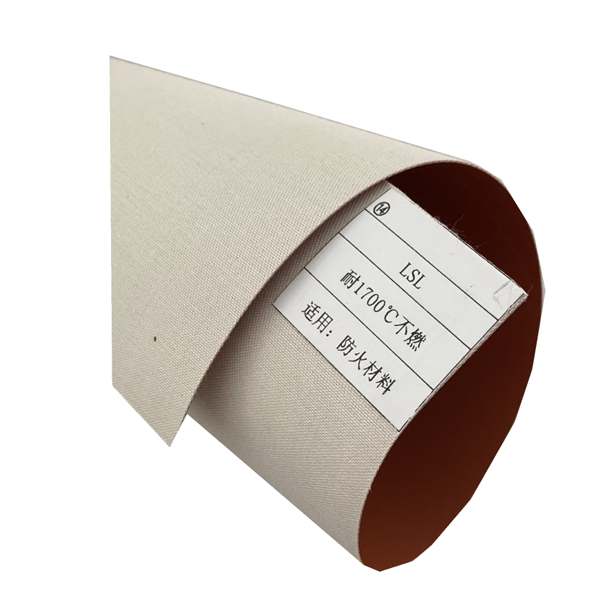
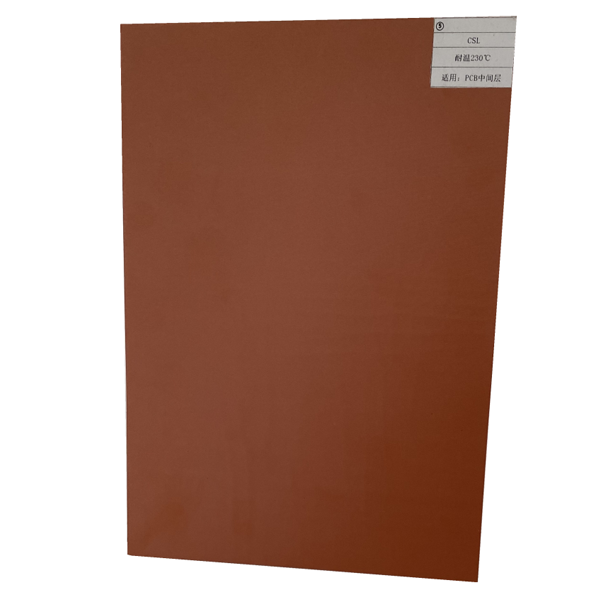
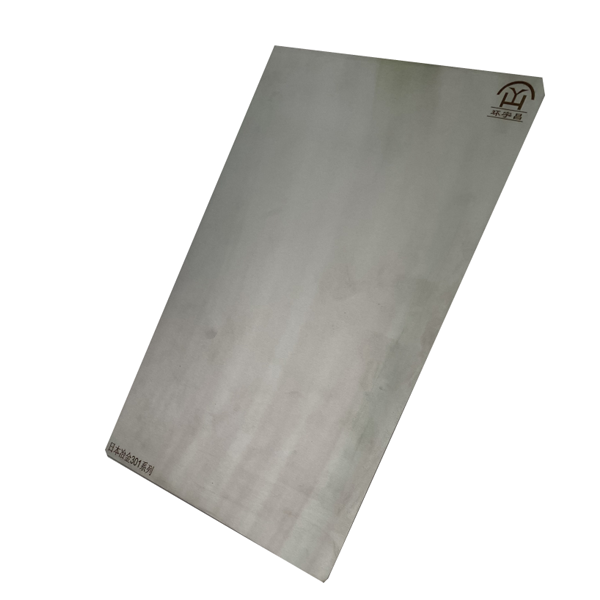
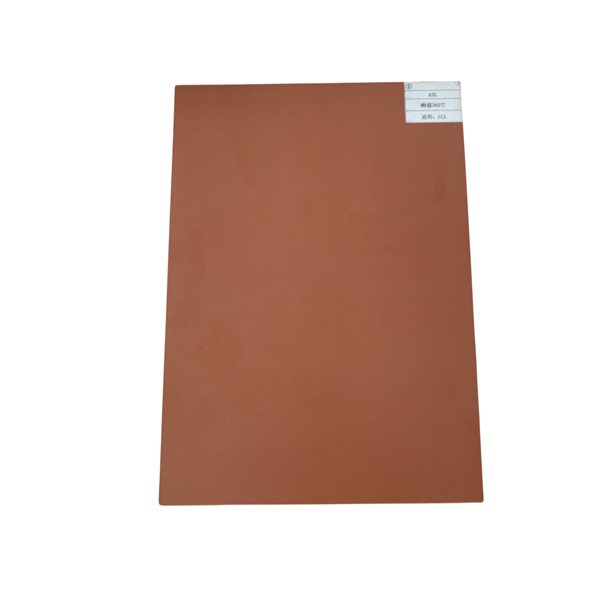
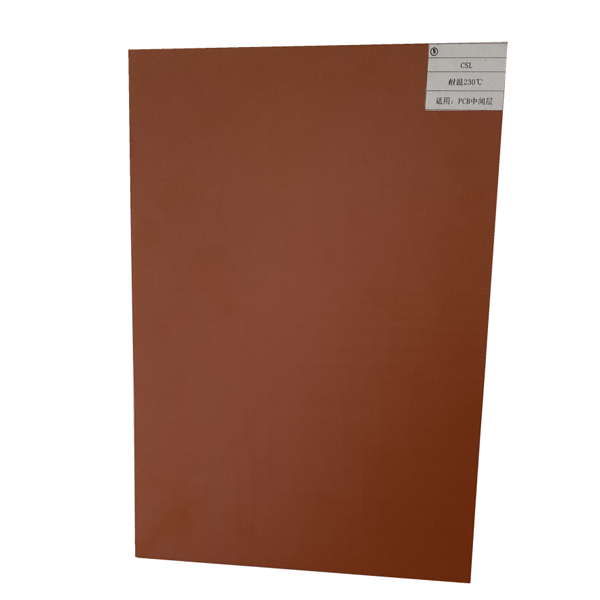
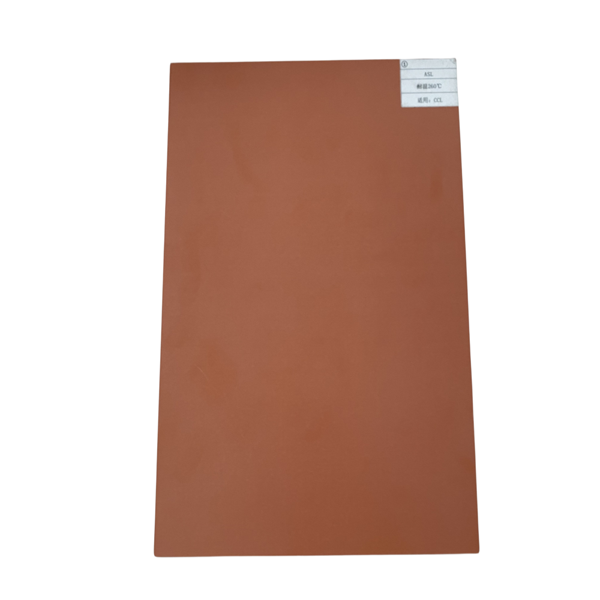
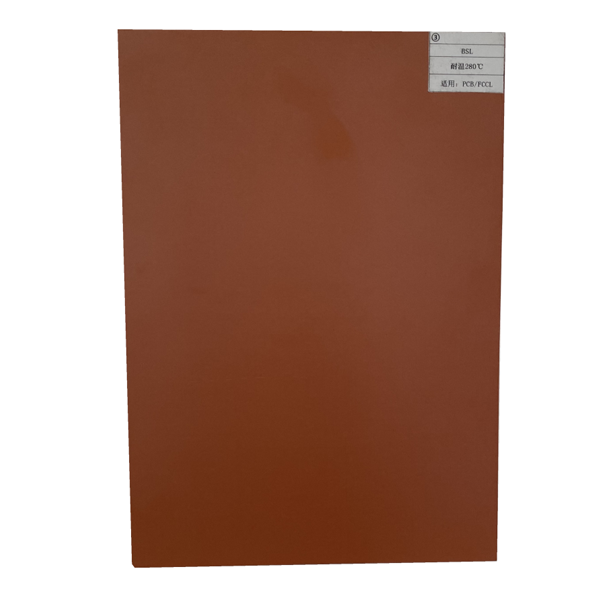
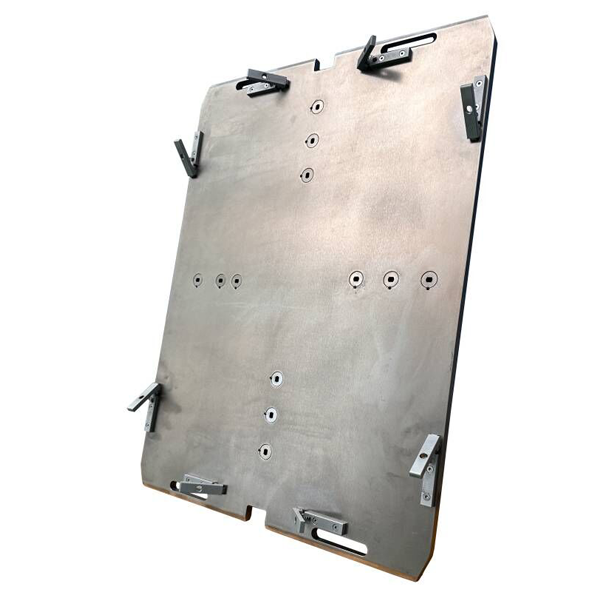
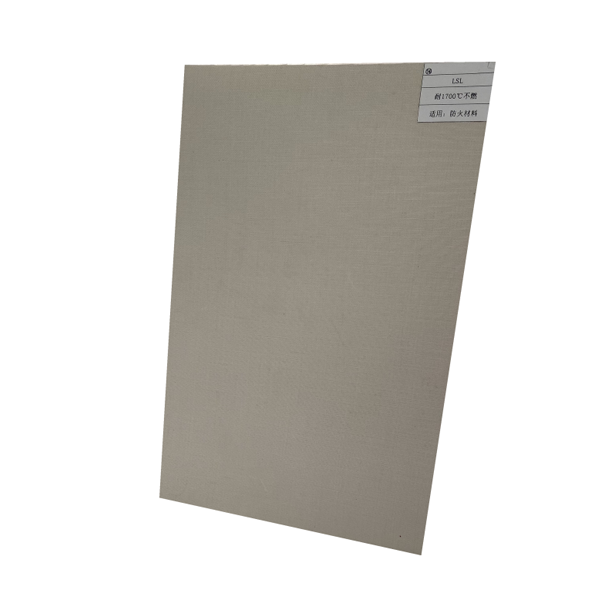
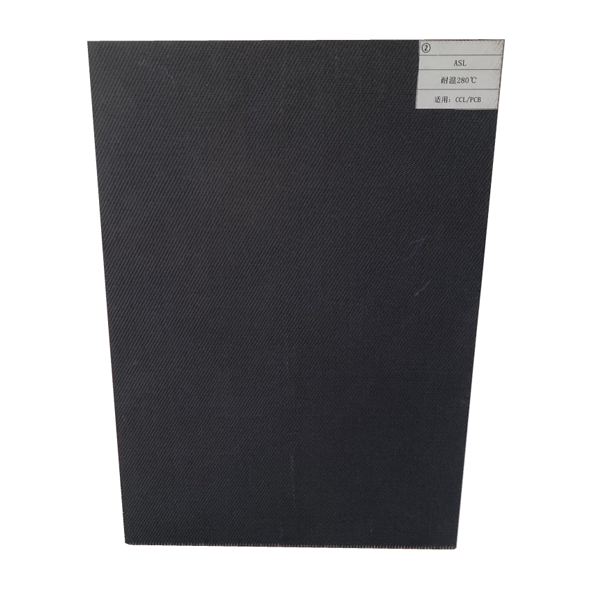
PCB Pressing Carrier Plate is an essential key auxiliary material in the printed circuit board (PCB) manufacturing process. As a professional manufacturer of pressing buffer pads, we fully understand the importance of this component in the multi-layer board pressing process. The PCB pressing carrier plate, also known as a pressing buffer pad or pressing plate, is mainly used in the PCB lamination process to evenly distribute pressure, buffer shocks, and protect the circuit board surface from damage.
In modern PCB manufacturing, especially in the production of high-precision multi-layer boards, the pressing carrier plate plays multiple key roles:
Even pressure distribution: Ensure uniform force application across all areas of the multilayer board
Temperature buffering: Balance temperature gradients during the thermal pressing process
Surface protection: Prevent damage to copper foil and insulation layers under high pressure
Dimensional stability: Maintain the dimensional accuracy of the PCB board under high temperature and pressure
Technical Requirements for PCB Lamination Carrier Plates
Material Characteristics
As a professional manufacturer of lamination buffer pads, we have strict requirements for the material selection of PCB lamination carrier plates. High-quality carrier plates should possess the following characteristics:
High-temperature resistance: capable of withstanding lamination temperatures of 180-220℃ without deformation
Pressure Uniformity: Maintain stable elasticity in high-pressure environments (typically 200-400psi)
Low Thermal Expansion Coefficient: Ensure dimensional stability during temperature changes
Chemical Stability: Resist various chemical reagents used in PCB manufacturing processes
Abrasion Resistance: Withstand multiple lamination cycles without performance degradation
Types and Selection of PCB Lamination Carrier Plates
Analysis of Common Types
As a professional manufacturer of lamination buffer pads, we provide various types of PCB lamination carrier plates to meet different process requirements:
Silicone-based carrier plates:
Advantages: good elasticity, heat resistant, long service life
Application: suitable for high-precision multilayer board lamination
Temperature range: -60℃ to 250℃
Polyimide carrier plate:
Advantages: Excellent dimensional stability, resistant to chemical corrosion
Applications: High-frequency boards, special material boards
Features: Low dielectric constant, suitable for high-frequency applications
Composite fiber carrier plate:
Advantages: High strength, wear-resistant
Applicable: For large-scale production environments
Service life: Usually can reach 500-1000 press cycles
Selection Guide
Choosing the appropriate PCB press carrier should consider the following factors:
PCB Type: Different requirements for rigid boards, flexible boards, or rigid-flex boards
Layer Requirements: Multi-layer boards (especially 12 layers or more) require higher performance carriers
Lamination Parameters: Process parameters such as temperature, pressure, and time determine the carrier specifications
Cost Considerations: Balancing performance needs with production costs
Service Life:Replacement frequency based on production volume
As a professional manufacturer of press cushion pads, we can provide detailed technical consultation to help customers choose the most suitable carrier plate solution for their production process.
PCB Press Carrier Plate Production Process
Precision manufacturing process
High-quality PCB lamination carrier plates require strict process control:
Material Screening: Using imported high-purity base materials
Mixing Process: Precisely controlling the ratio of additives and mixing time
Forming Technology: Employing CNC precision machining to ensure dimensional tolerance
Heat Treatment: Segmented temperature control to eliminate internal stress
Surface Treatment: Polishing, coating, and other processes to enhance surface quality
Quality Inspection: Multiple quality inspection procedures throughout the entire process
Quality Control Key Points
As a professional manufacturer, we pay special attention to the following quality control processes:
Thickness Uniformity: The difference in thickness across the entire board is controlled within ±0.02mm
Surface Flatness: Laser detection is used to ensure there are no defects such as bumps or dents
Hardness Consistency: Shore hardness is controlled within ±2 degrees of the specified value
Clean packaging: Cleanroom packaging to prevent dust contamination
Traceability: Each batch of products has complete production records
Application techniques for PCB lamination carrier plates
Correct Usage Method
To fully utilize the performance of PCB lamination carrier plates, the following usage guidelines should be followed:
Preprocessing: Before first use, the carrier should undergo 2-3 times of empty lamination to stabilize performance
Cleaning and Maintenance: Residual substances on the surface should be removed after each use
Placement Positioning: Ensure correct positioning in the press machine
Complementary use: Better results can be achieved when used with suitable release film
Periodic Inspection: Check the surface condition after every 50 lamination cycles
Common Issues and Solutions
Based on our experience as a press buffer pad manufacturer, the following are common problems and their solutions:
Problem 1: The PCB becomes uneven after pressing
Cause: Uneven thickness of the carrier plate or it has aged
Solution: Replace with a new carrier plate and check the flatness of the press platform
Problem 2: Poor bonding along the board edge
Cause: Mismatched carrier plate size or inaccurate positioning
Solution: Use the correct size carrier tray and adjust the locating pins
Problem 3: Marks appear on the surface
Cause: Contamination or damage on the carrier tray surface
Solution: Clean or replace the carrier tray, and check the quality of the release film
Industry Development Trends of PCB Lamination Carrier Plates
Technological Innovation Directions
As a leading manufacturer of lamination buffer pads, we have observed several important development trends in PCB lamination carrier plates:
Intelligent Materials: Development of functional materials capable of real-time monitoring of lamination status
Eco-friendly products: Green materials compliant with RoHS and REACH standards
Ultra-long service life: Enhanced wear resistance and service life through nanotechnology
Customized Service: Bearing plates customized according to customers' specific process parameters
Multi-functional Integration: Integrates functions such as release, cushioning, and heat conduction in one
Market Demand Changes
In recent years, the market demand for PCB press bearing plates has shown the following characteristics:
High precision demand increase: With the development of technologies such as 5G and AI, the demand for high precision PCBs is growing
Diverse specifications: Different application scenarios require bearing plates with different characteristics
Quick Response: Customers are demanding faster delivery times and response speeds for technical support
Overall Solution: Not only do we provide products, but also include usage guidance and after-sales service
Advantages of Choosing a Professional Pressing Buffer Pad Manufacturer
Professional Technical Support
As an experienced press cushion manufacturer, we provide customers with:
Process optimization suggestions: Offering improvement solutions based on the customer's actual production conditions
Problem diagnosis service: Assisting in analyzing various issues during the pressing process
Custom development capability: Developing exclusive carriers for specific requirements
Technical Training: Regularly holding application technology seminars
Continuous Improvement: Continuously optimizing product performance based on customer feedback
After-sales Service Guarantee
We promise to provide customers with comprehensive after-sales service:
Quality Assurance: All products come with a 12-month quality warranty period
Quick Response: Professional technical team responds to customer inquiries within 24 hours
Replacement Service: Free replacement for products damaged non-humanly
Usage Tracking: Regular follow-ups to understand product usage status
Continuous Supply: Maintain sufficient inventory to ensure customer production continuity
Conclusion
As a key auxiliary material in the PCB manufacturing process, the quality of the PCB lamination carrier plate directly affects the final product's quality and yield. Choosing a professional lamination buffer pad manufacturer not only ensures high-quality products but also provides comprehensive technical support and after-sales service. With the continuous development of PCB technology, the lamination carrier plates will also keep innovating to meet the increasingly stringent process requirements.
As an industry-leading lamination buffer pad manufacturer, we will continue to focus on material R&D and process improvement, providing customers with more high-quality and professional PCB lamination carrier plate solutions, and helping the PCB manufacturing industry develop towards higher precision and better quality.
