

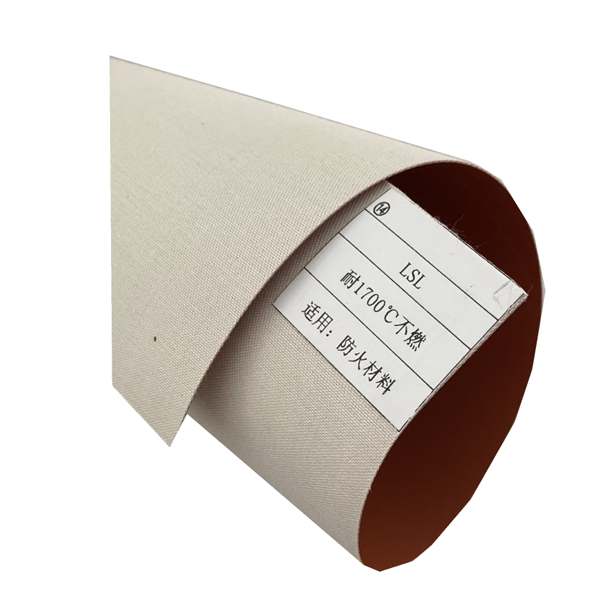
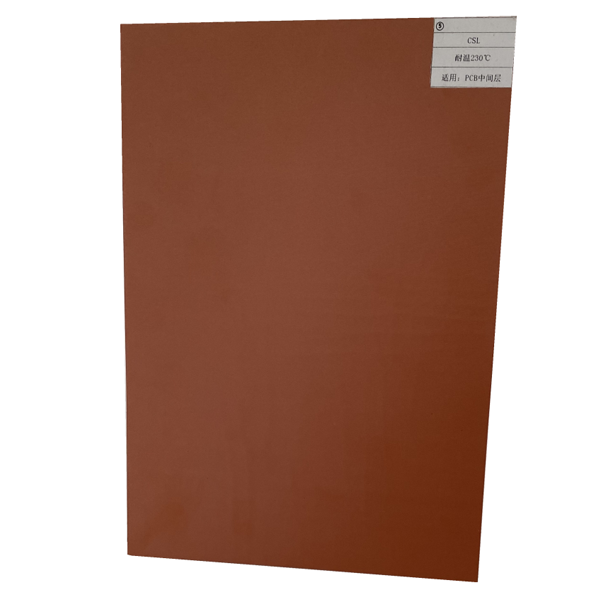
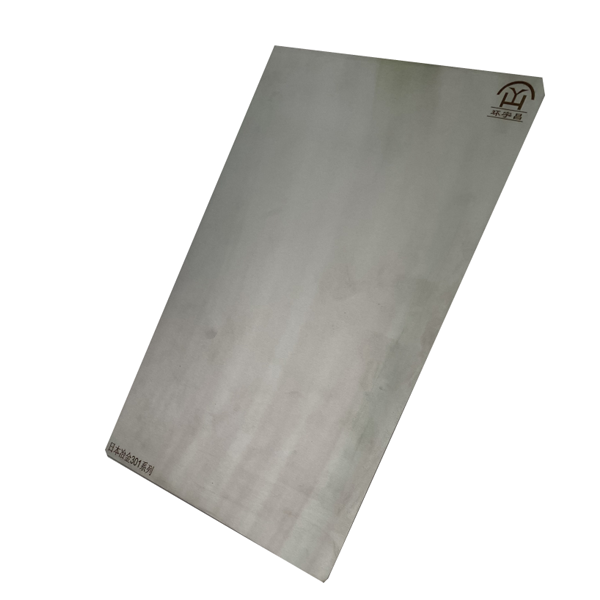
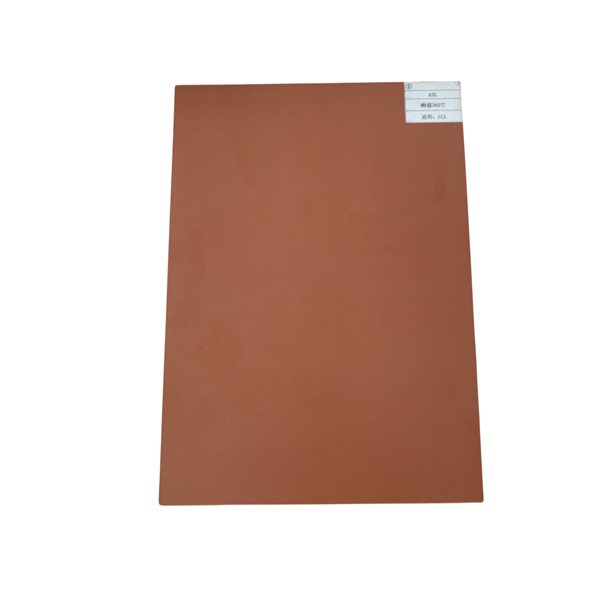
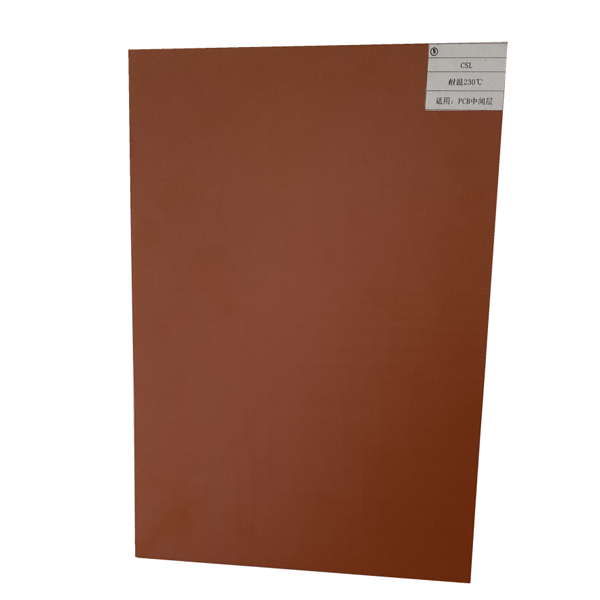
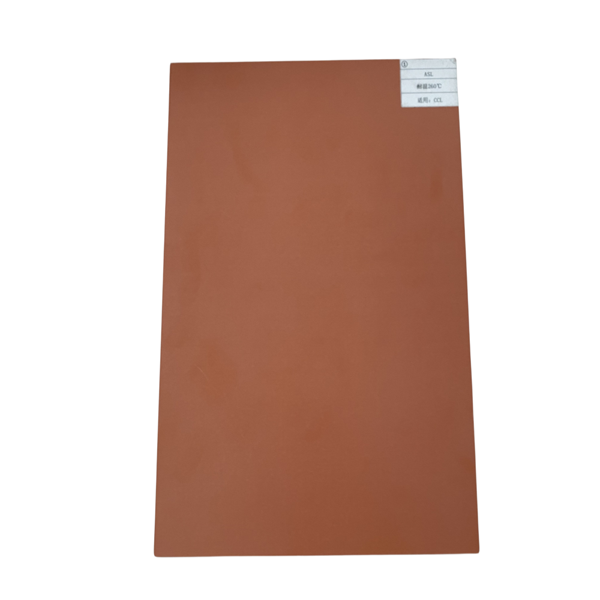
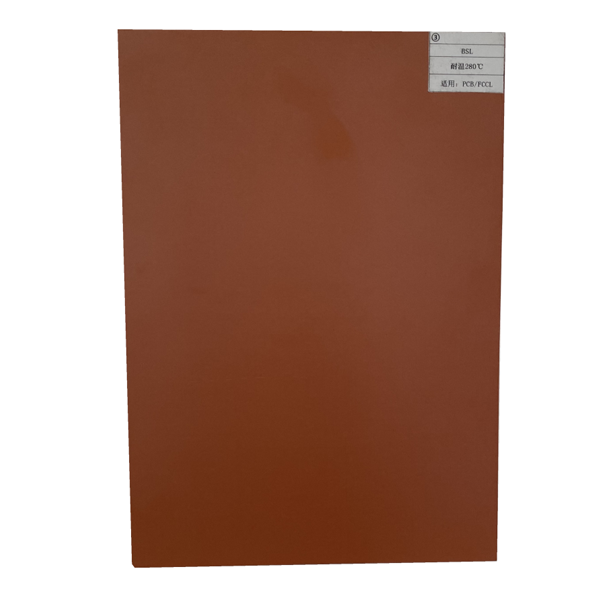
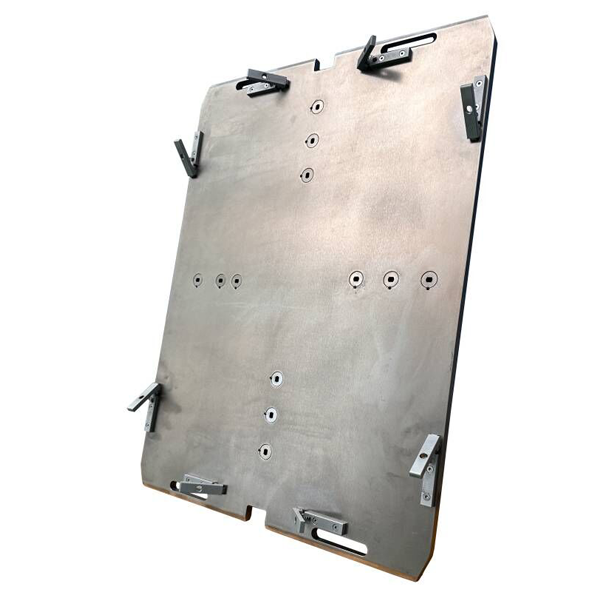
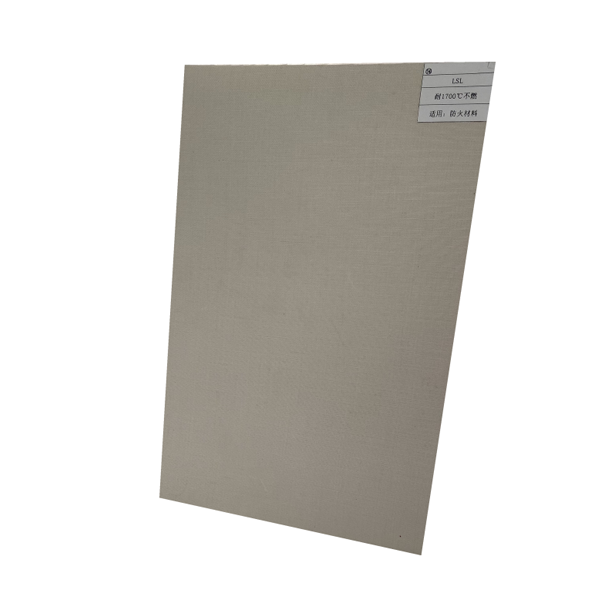
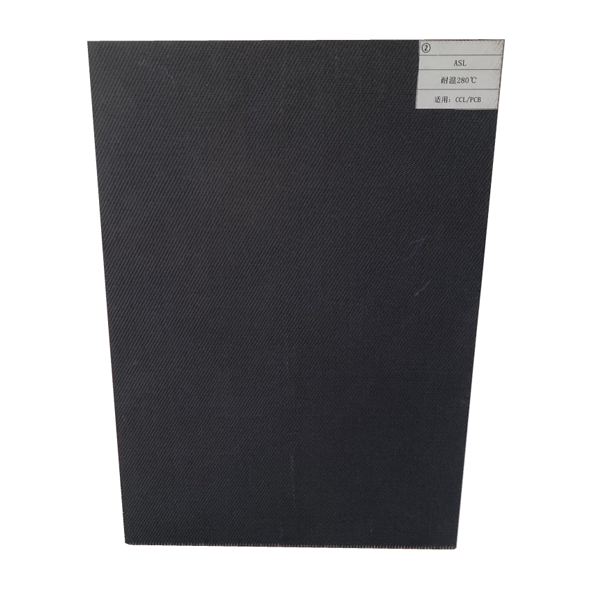
With the development of electronic products in the direction of thinness, miniaturization, and high integration, flexible circuit boards (FPCs) have been widely used in smartphones, smart wearable devices, automotive electronics and other fields due to their bendable, foldable, and space-saving characteristics. In the FPC manufacturing process, the pressing link is crucial, and FPC pressing cushioning, as a key auxiliary material in this process, plays a decisive role in ensuring the quality of FPC.
Particularities and challenges of FPC pressing process
The structure and characteristics of FPC bring about the difficulties of pressing
FPCs differ from traditional rigid circuit boards in that they use a flexible insulating substrate, usually composed of copper foil, insulating film, binder, etc. This structure makes FPCs more susceptible to pressure and temperature changes during the pressing process, prone to problems such as wrinkling, deformation, and delamination. At the same time, FPC circuits are more delicate and require extremely high uniformity and precision of pressing, and any minor defects may affect their electrical performance and service life.
The impact of the pressing process on FPC quality
At its core, FPC press-fitting processes involve tightly bonding multiple layers of materials to form circuit layers with specific functions. Improper pressure and temperature control during the press-fit process, or lack of effective buffer protection, can not only lead to defects in the appearance of the FPC, but may also cause serious problems such as short circuits and open circuits, directly affecting the normal operation of electronic products. Therefore, choosing the right FPC press-fit cushion is the key to solving these problems.
The core function of FPC press-fit cushioning
Precise pressure dispersion ensures uniformity of pressing
FPC press-fit cushioning has excellent flexibility and resilience, allowing for uniform pressure distribution during the press-fit process. When facing FPC fine lines and multi-layer structures, it can accurately apply pressure to each part to avoid damage or deformation caused by excessive local pressure. By evenly distributing pressure, the cushioning ensures a tight fit between the FPC layers, effectively reducing the formation of bubbles and delamination.
Buffer temperature changes to reduce thermal stress damage
FPCs are sensitive to temperature, and too high or too fast temperature changes can easily cause thermal stress, which can lead to deformation or line breakage. FPC press-fit cushioning can effectively buffer rapid changes in temperature and delay heat transfer. During the high-temperature compression process, it can absorb part of the heat, so that the FPC can be pressed in a relatively stable temperature environment, reducing the damage caused by thermal stress to the FPC and ensuring its stable performance.
Protect FPC surfaces and improve product yield
Due to the fragile copper foil and wiring on the FPC surface, it is susceptible to scratches and wear during the pressing process. FPC press-fit cushioning pads act as an intermediate isolation layer to effectively protect the FPC surface from damage caused by direct contact with press-fit equipment. This not only improves the appearance quality of the FPC, but more importantly, improves the yield of the product and reduces the production cost.
Key technical specifications of FPC press-fit cushioning
High temperature and chemical resistance
Given that FPC press-fit processes experience high-temperature environments and may be exposed to various chemical reagents, FPC press-fit cushions need to have good high-temperature and chemical resistance. High-quality cushioning pads can maintain structural stability at high temperatures without deformation, aging, or the release of harmful substances, while resisting the erosion of chemical agents and extending the service life.
Selection points for FPC press-fit cushions
Selected according to the FPC production process
Different FPC production processes have different requirements for press-fit cushions. Manufacturers should choose the matching cushion according to their own process parameters such as pressing temperature, pressure, and production speed. For example, for the high-temperature and high-pressure pressing process, it is necessary to choose a buffer with stronger high-temperature resistance; For high-precision FPC products, the pressure dispersion accuracy of the cushion pad should be emphasized.
Pay attention to product quality stability
When choosing FPC press-fit cushioning, the stability of product quality is crucial. It is recommended to choose a supplier with mature production processes and strict quality control systems, and evaluate the performance consistency and reliability of the cushion by reviewing product test reports, conducting sample tests, etc., to ensure that it can continue to play a stable role in the production process.
In today's increasingly competitive FPC manufacturing industry, attaching importance to the selection and application of FPC pressing cushions is of great significance for improving FPC product quality and improving production efficiency. By gaining an in-depth understanding of the functions and technical indicators of FPC pressing cushions, reasonable selection of suitable products can provide a solid guarantee for FPC production and help enterprises win competitive advantages in the market.
