

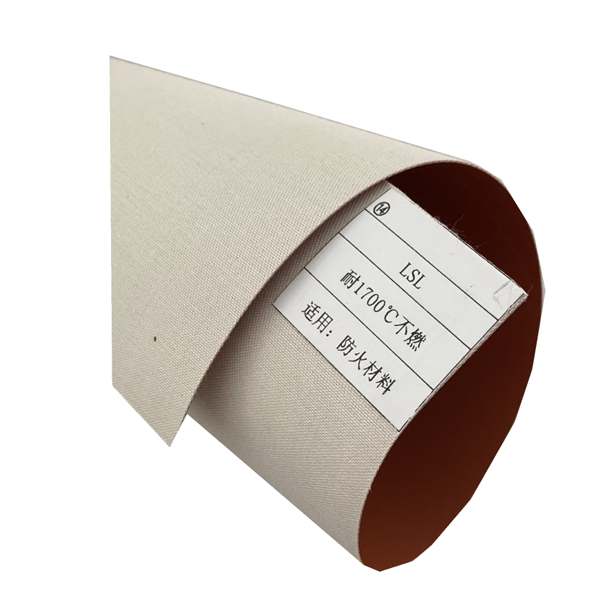
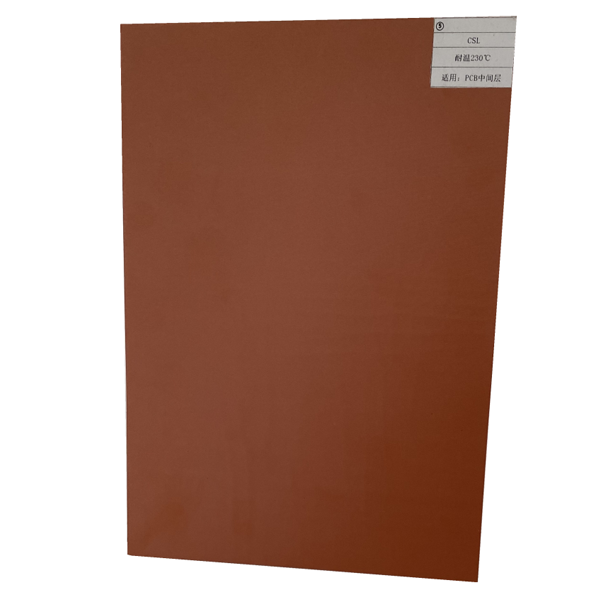
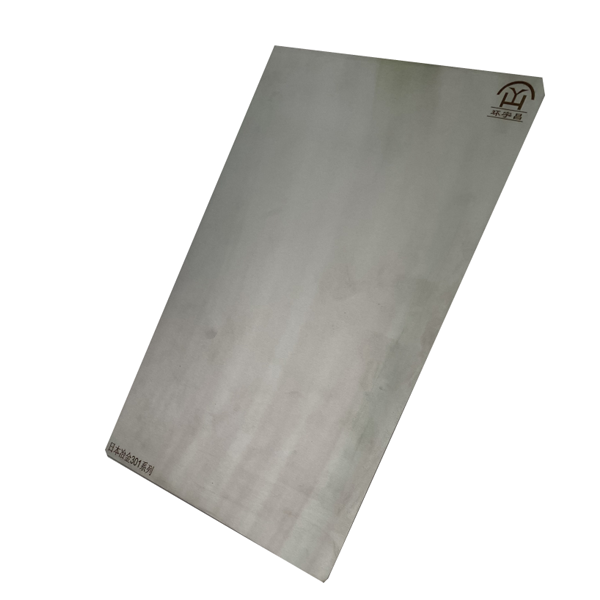
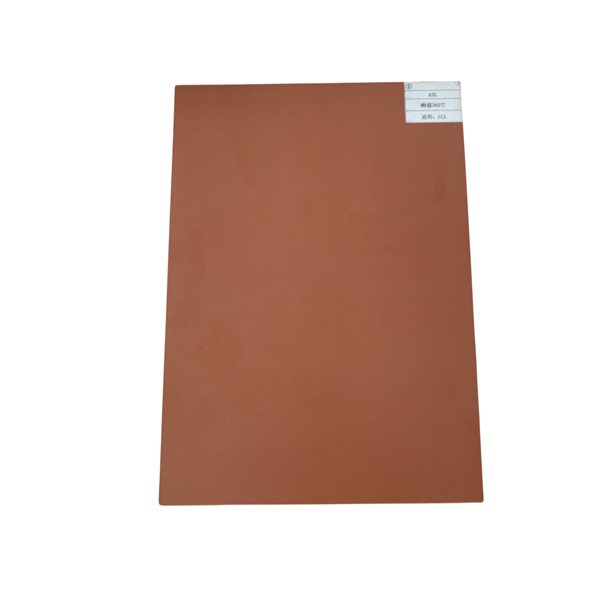
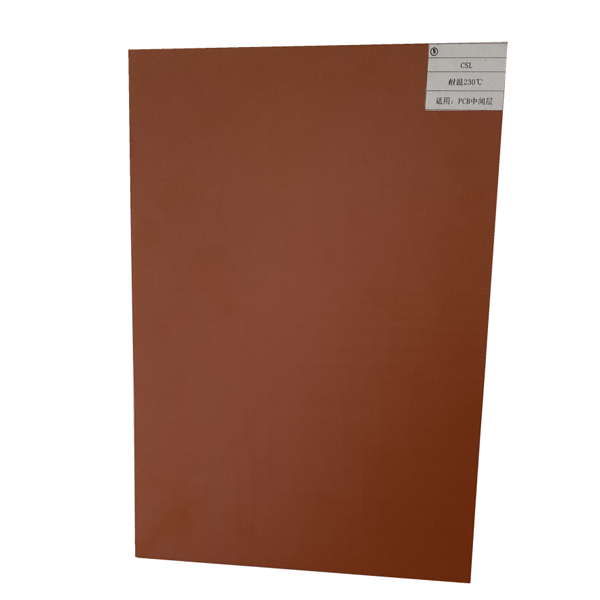
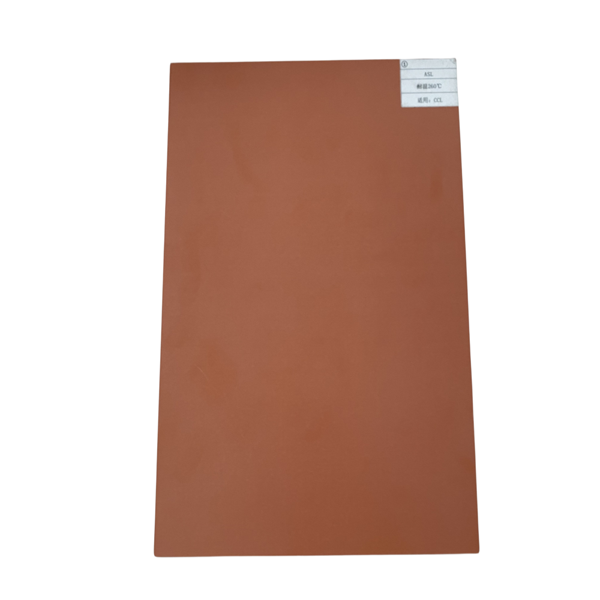
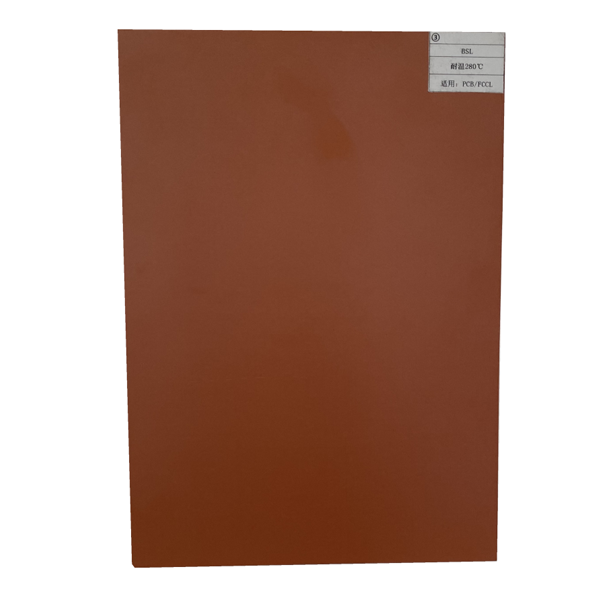
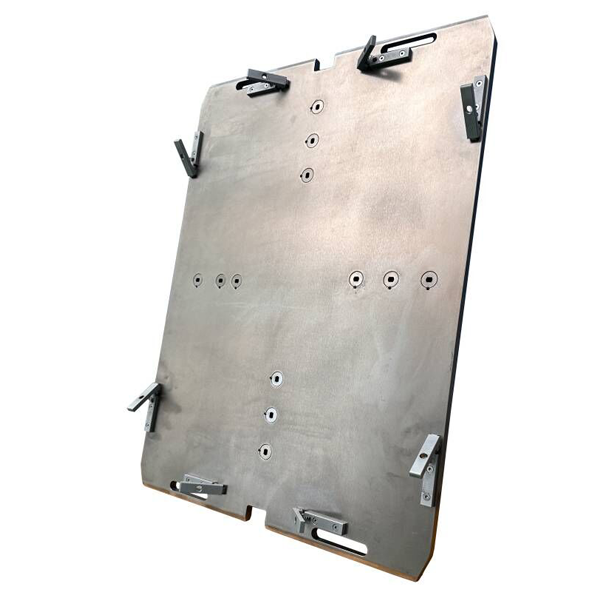
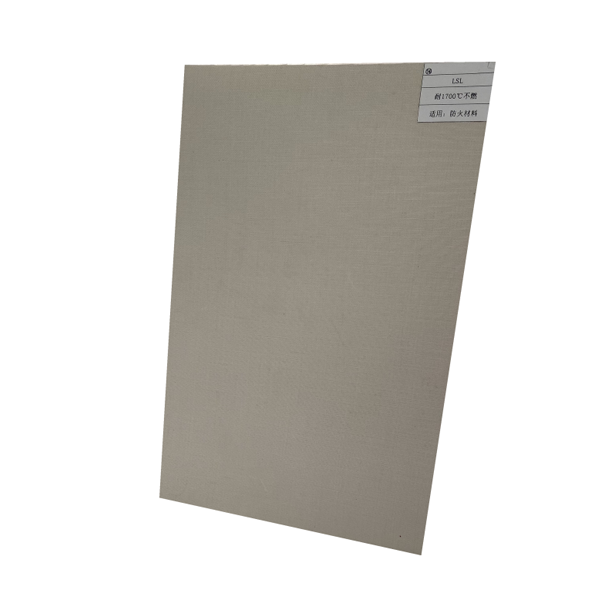
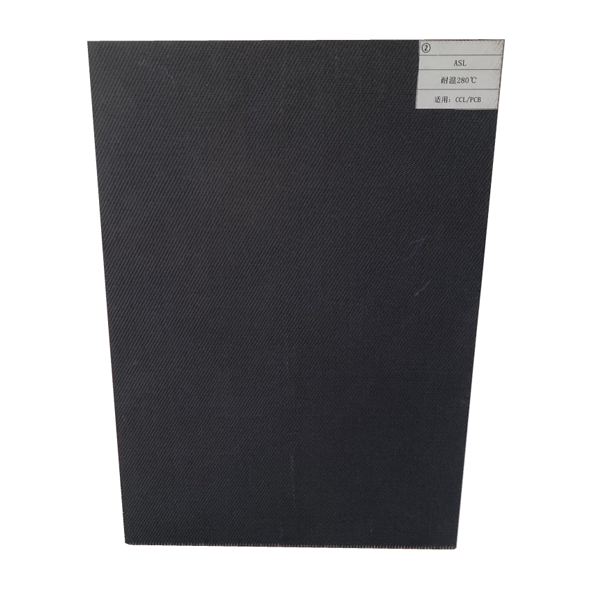
In the circuit board manufacturing process, the lamination process is a critical step that determines the quality of the circuit board. The circuit board lamination carrier plate serves as the core auxiliary tool in this step, and its performance directly affects the lamination results and the final quality of the circuit board.
Core functions of the circuit board lamination carrier plate
Stable Support, Ensuring Pressing Accuracy
The circuit board pressing carrier provides a stable support platform for the circuit board. During the pressing process, it ensures the circuit board remains flat and fixed, preventing any deviation caused by shaking or displacement. The high-precision flatness design of the carrier allows for even pressure distribution across the circuit board surface, ensuring accurate layer bonding and effectively reducing defects such as bubbles and delamination, thus improving the pressing accuracy and yield rate of the circuit board.
High-Temperature Resistance, Suitable for Pressing Environment
The pressing process often involves high-temperature conditions, which impose strict requirements on the high-temperature resistance of the carrier. High-quality circuit board pressing carriers are made from special high-temperature resistant materials, maintaining stable physical and chemical properties under high temperatures without deformation, cracking, or releasing harmful substances. This high-temperature resistance ensures that the carrier can maintain good performance even after multiple pressing cycles, guaranteeing the continuity and stability of production.
Scratch-resistant and wear-resistant, protecting the surface of the circuit board
The lines and copper foils on the surface of the circuit board are relatively fragile and prone to damage during the lamination process. The surface of the circuit board lamination carrier plate is specially treated to have excellent scratch and wear resistance, effectively preventing scratches or wear when in direct contact with the circuit board. This ensures the integrity and appearance quality of the circuit board, providing a guarantee for the production of high-quality circuit boards.
Key performance indicators of the circuit board lamination carrier plate
Material selection and characteristics
The material of the carrier plate directly determines its performance. Common materials include ceramics and metal alloys. Ceramic carrier plates for circuit board lamination offer excellent high-temperature resistance, insulation properties, and chemical stability, making them suitable for production scenarios that require high precision and cleanliness. Metal alloy carrier plates are known for their high strength and toughness, maintaining good structural stability even under significant pressure, and are ideal for high-volume production needs.
Dimensional accuracy and flatness
Dimensional accuracy and flatness are important indicators of the quality of a carrier plate. High dimensional precision ensures that the carrier plate can perfectly match the press equipment, avoiding pressing issues caused by dimensional errors. Extremely high flatness ensures even force distribution on the circuit board during the pressing process, which is particularly crucial for the precise pressing of multilayer boards. Typically, the flatness error of high-quality carrier plates is controlled within a very small range to meet the high precision requirements of circuit board manufacturing.
Weight and heat dissipation performance
The weight of the carrier plate affects the equipment's operating efficiency and energy consumption. Lightweight design helps improve production efficiency. At the same time, good heat dissipation performance can accelerate heat transfer, allowing the circuit board to cool quickly after lamination, thus shortening the production cycle and enhancing production efficiency. Therefore, circuit board laminating carrier plates with reasonable weight and efficient heat dissipation are more favored by manufacturers.
Purchase Suggestions for Circuit Board Lamination Carrier Plates
Combined with Production Process Requirements
The requirements for carrier plates vary depending on different circuit board production processes. Manufacturers should select carrier plates that match their actual needs such as lamination temperature, pressure, and production scale. For example, for high-temperature and high-pressure lamination processes, it is recommended to choose ceramic carrier plates with outstanding high-temperature resistance; for large-scale production, metal alloy carrier plates that balance strength and lightweight can be considered.
Focus on Supplier Qualifications and Product Quality
When selecting circuit board press carrier plates, the supplier's qualifications and product quality are important considerations. Choosing a supplier with mature production technology, a complete quality control system, and a good market reputation ensures the acquisition of stable and reliable carrier plate products. At the same time, product inspection reports and sample testing can be used to evaluate the performance indicators of the carrier plates, ensuring they meet production requirements.
Circuit board press carrier plates play an irreplaceable role in the circuit board manufacturing process. A thorough understanding of their functions, performance indicators, and the mastery of proper selection methods are significant for ensuring the quality of circuit board production and improving efficiency. Manufacturers should pay attention to the selection of carrier plates, laying a solid foundation for the production of high-quality circuit boards. Henan Huanyuchang looks forward to working with you for mutual success!
