

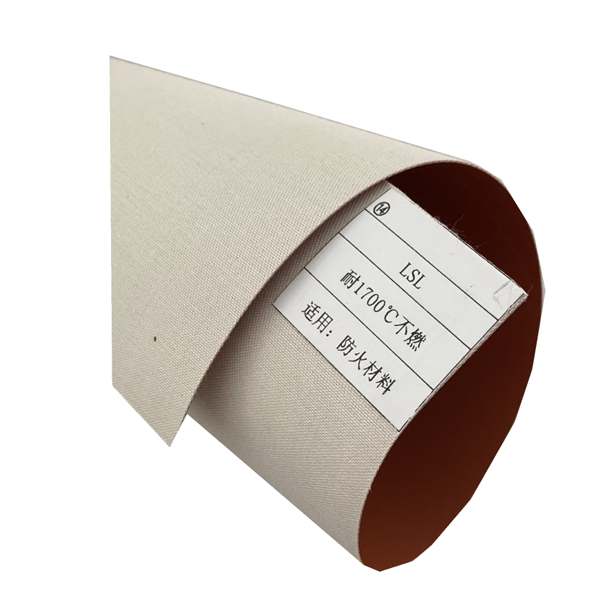
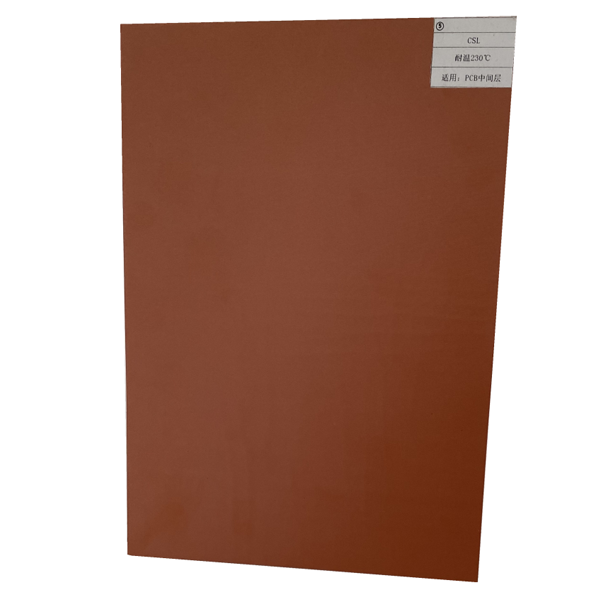
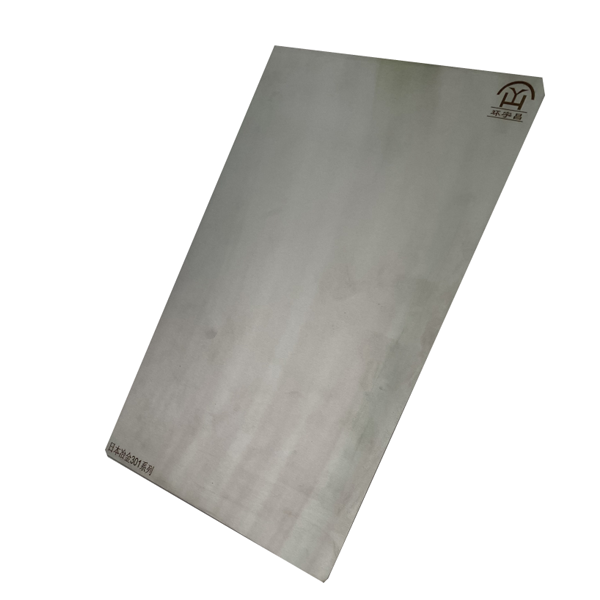
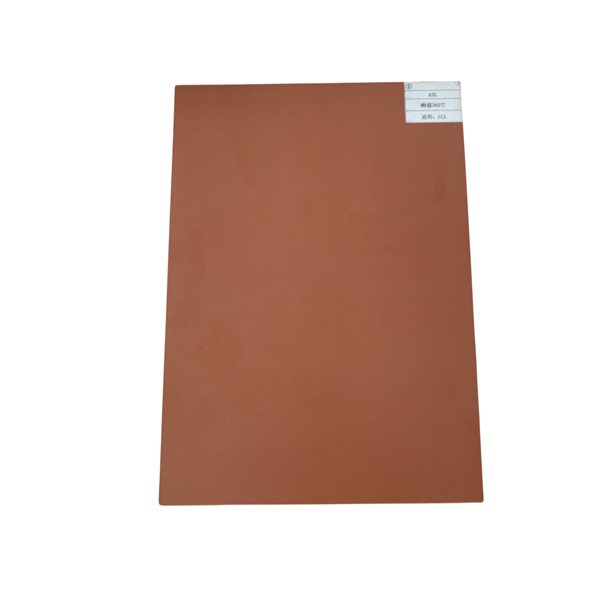
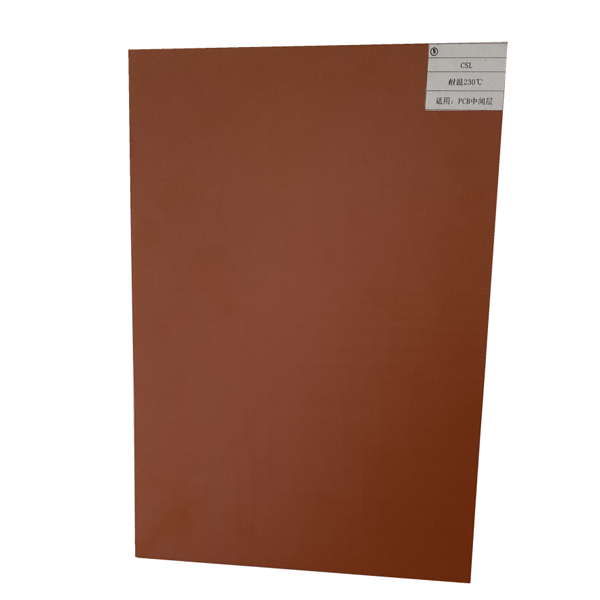
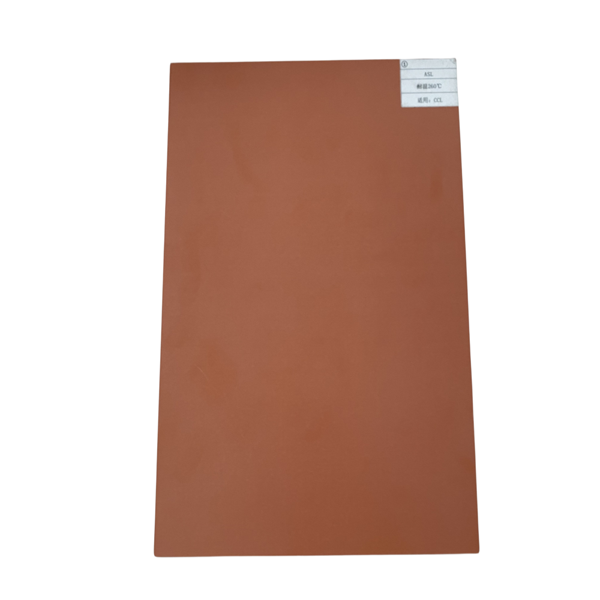
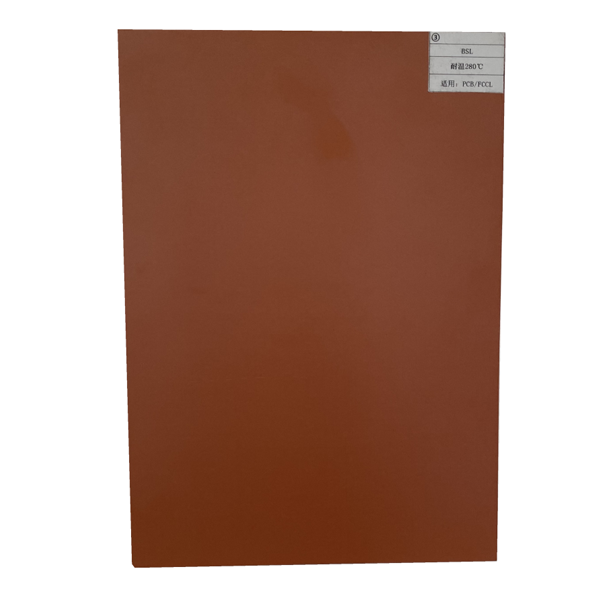
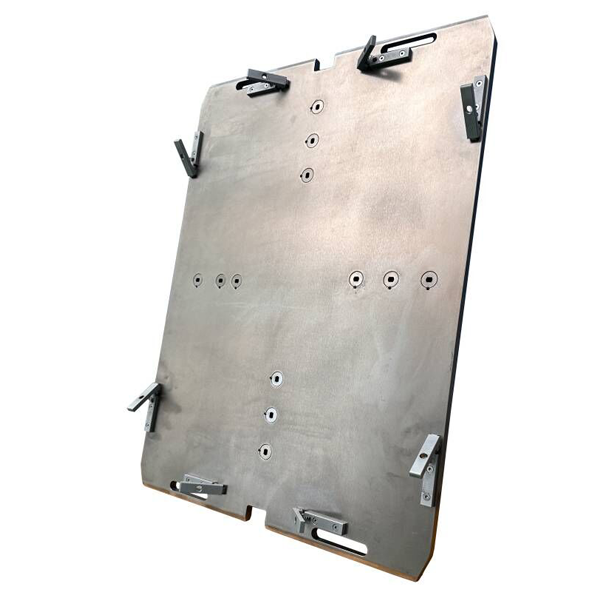
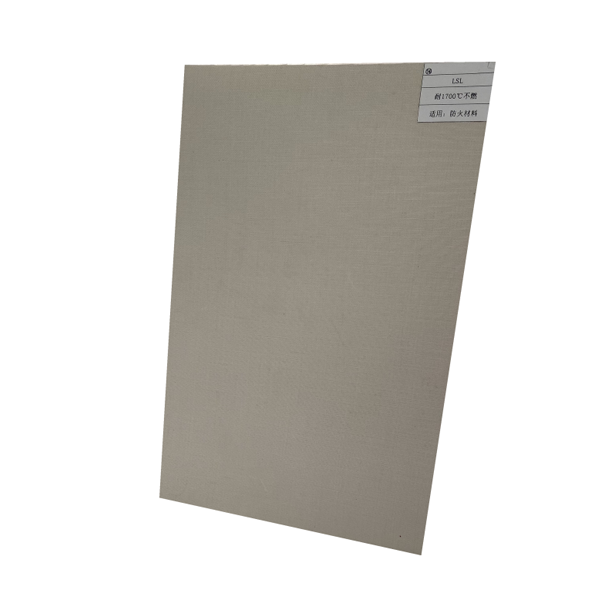
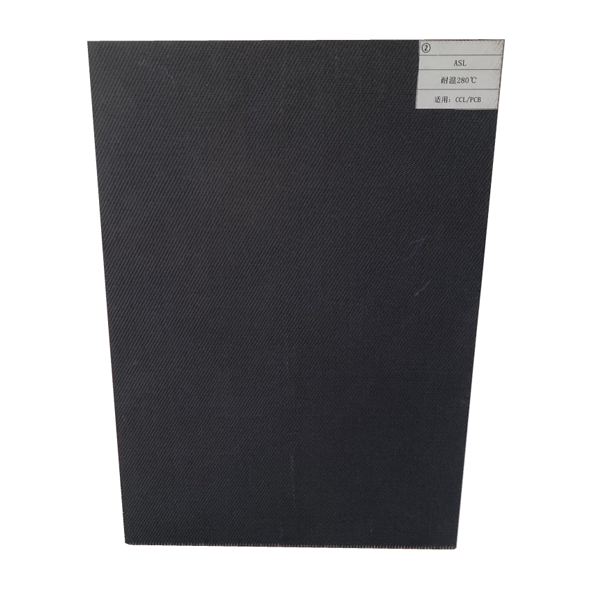
In the precise manufacturing process of printed circuit boards (PCBs), the lamination process is a core that determines the performance of multilayer boards. Countless inner core boards and prepregs are fused here, transformed into a solid whole through high temperature and pressure. When we focus our attention on the inside of the laminator, on top of the cushioning materials, the direct determinant of the PCB surface quality is the main character we are going to explore today — laminated mirror plate. Henan Huanyuchang Electronic Technology Co., Ltd., as a professional supplier in the field of lamination materials, will take you deep into the interpretation of this smooth and flat steel plate, and how it becomes an indispensable process element in PCB manufacturing.
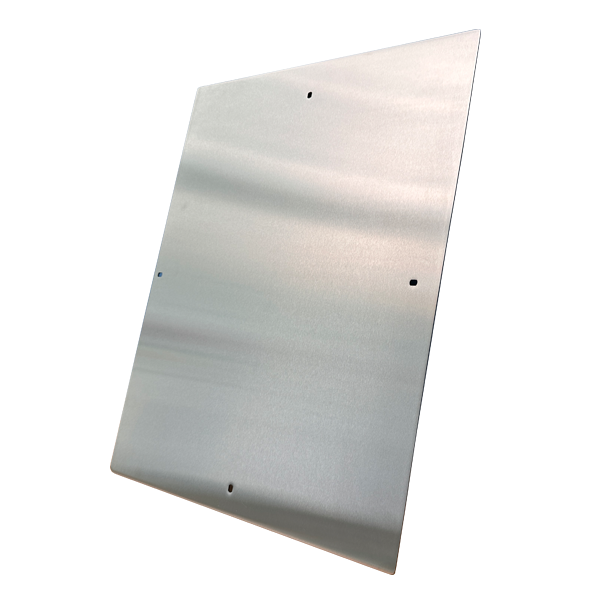
I. Definition and Role: What is a laminated mirror plate?
In simple terms, laminated mirror steel plates are a pair or multiple pairs of high-precision, high-surface-smoothness steel plates placed between the buffer pad and the outer copper foil in the PCB lamination process. It is not an ordinary industrial steel plate, but rather a functional tool made through special steel material selection, precision forging, multiple grinding processes, and mirror polishing.
The technical experts from Henan Huanyuchang explain its function with an illustrative analogy: "If the lamination process is compared to making a flat printed product, then laminated mirror steel plates are the smooth pressing plates. Its core mission is to evenly transfer the pressure and heat from the press to the PCB, while also 'transferring' its own flat and smooth surface condition to the outer copper foil of the PCB."
This "key foundation" bears the following important responsibilities:
Surface forming and transfer: This is the core function of laminated mirror steel plates. The condition of the steel plate's surface will directly reflect on the high-temperature softened copper foil surface. Therefore, a smooth, defect-free mirror surface is the foundation for achieving flat and uniform outer copper foil on the PCB. This is of great significance for subsequent fine line etching and various surface treatments (such as electroless gold plating and electroplating gold).
Uniform Heat Transfer and Pressure Distribution: It works in conjunction with the buffer pad to further ensure even distribution of heat and pressure within its own plane. Its thermal conductivity and rigidity help reduce potential temperature or pressure differences, promoting consistent resin flowability and curing degree across the entire board, thus supporting the reduction of issues such as board warping and white spots.
Isolation and Protection: It serves as an effective barrier to prevent the melted semi-cured resin from overflowing and adhering to the press machine's hot plate, protecting the machine itself. At the same time, it separates the PCB product from the buffer pad, avoiding any impurities in the buffer pad from affecting the PCB surface.
Durability and Stability: In repeated high-temperature, high-pressure, and mechanical stress working environments, a high-quality laminated mirror steel plate must maintain its flatness, surface smoothness, and mechanical strength to provide continuous and stable service.
II. Quality Demonstration: The Impact of Mirror Steel Plate Quality on PCB Production
"In the PCB industry, the quality of the steel plate directly affects the final product's surface." The quality engineer from Henan Huanyuchang Electronic Technology Co., Ltd. emphasized, "Choosing a steel plate that does not meet quality standards or is not suitable may lead to a series of challenges."
PCB surface defects: This is the most direct impact. Scratches on the steel plate surface may result in corresponding lines on the copper foil; minor pits can form point defects; uneven polishing may cause slight undulations on the copper surface. These defects may have an adverse effect on high-speed signal transmission and may become apparent in subsequent surface treatments, affecting both the product's appearance and performance.
Mounting and soldering risks: An unsatisfactory copper surface may affect the quality of SMT mounting. Minor unevenness can lead to uneven pressure during component placement. A rough surface may also impact the flow of solder, increasing the difficulty of the soldering process.
Increased subsequent costs: To improve surface imperfections caused by the steel plate, PCB factories may need to add extra processing steps, which not only increase production costs but may also affect production efficiency.
Pressed Process Variations: Poor flatness of the steel plate may directly lead to uneven pressure distribution during the pressing process, potentially causing issues such as insufficient filling of adhesive and bubbles between layers, which can affect product pass rate.
"Therefore," the engineer summarized, "it is necessary to regard laminated mirror steel plate as a key process material. Its value is reflected in pass rate, production efficiency, and the final product quality."
III. Huanyuchang's Manufacturing Philosophy: How to Provide a Reliable Laminated Mirror Steel Plate
As a professional provider of pressing material solutions, Henan Huanyuchang is committed to delivering performance-stable laminated mirror steel plates to customers through reliable processes and strict controls.
1. Material selection:
"We focus on the fundamental quality of steel," said the purchasing manager from Henan Huanyuchang. "We select alloy die steel with good performance as the base material. This type of steel has high high-temperature strength, anti-deformation properties, and thermal fatigue toughness, aiming to support the steel plate in maintaining stable performance during long-term cold-hot cycles."
2. Forging and heat treatment:
The inherent quality of the steel needs to be ensured through appropriate forging and heat treatment processes. Huanyuchang optimizes the internal structure of the material through standardized forging processes, and through tempering, quenching, and annealing, the steel plate achieves the required hardness, toughness, and dimensional stability for its working environment.
3. Professional Surface Treatment Process:
This is an important step in the production of laminated mirror steel plates. The production process of Henan Huanyuchang includes:
Coarse grinding and fine grinding: Using a surface grinder, the macroscopic unevenness is gradually improved, aiming to achieve the overall flatness required for application.
Professional polishing: This is the key step in forming the "mirror" surface. It is operated by professional technicians using appropriate grinding materials for multi-stage, step-by-step refinement. From coarse grit to fine grit, the goal is to gradually improve the surface condition and strive for a smooth and glossy mirror effect.
4. Comprehensive quality inspection:
Before leaving the factory, each layer mirror steel plate from Henan Huanyuchang Electronic Technology Co., Ltd. undergoes a systematic inspection process:
Surface finish inspection: Use a surface roughness tester to measure at multiple points across the entire board and confirm that the finish meets the standard.
Flatness Inspection: Use professional measuring tools to check the overall flatness of the steel plate, paying attention to its uniformity.
Macroscopic Defect Inspection: Quality inspectors carefully examine the surface of the steel plate under a dedicated lamp inspection table to confirm there are no scratches, pinholes, or impurities that affect its use.
Dimension and Hardness Verification: Accurately measure the thickness and length-width dimensions, and use a hardness tester to check its hardness, ensuring it meets the required durability standards.
Four. The Direction of Continuous Development: Evolving in tandem with PCB technology
As electronic products develop towards high-frequency, high-speed, and high-density interconnect directions, the requirements for PCBs are constantly increasing, which also drives continuous exploration of the performance of laminated mirror plate steel.
"For example, for boards with more refined circuit lines, the surface smoothness of the steel plate needs to reach a higher level," said the R&D director of Henan Huanyuchang. "We are continuously researching and improving polishing processes and process control to achieve steady enhancement in surface quality. At the same time, we are also paying attention to new mirror plate steel technologies with special functional coatings, aiming to make progress in anti-sticking and wear resistance to better meet customers' future needs."
Conclusion
In the field of PCB manufacturing, attention to process details is a crucial element in achieving high-quality products. The layered mirror plate steel, this smooth steel plate, though not directly forming the circuit, provides the foundational conditions for the perfect shaping of the circuit. It embodies the pragmatic spirit of "If you want to do a good job, you must first sharpen your tools."
Henan Huanyu Chang Electronic Technology Co., Ltd., committed to becoming a trusted partner for PCB manufacturers in the field of press-fit materials. Every piece of laminated mirror steel plate we provide carries our understanding of the process, control over quality, and response to customer needs. Choosing Huanyu Chang means selecting stable, controllable, and reliable process support for your press-fit production line.
