

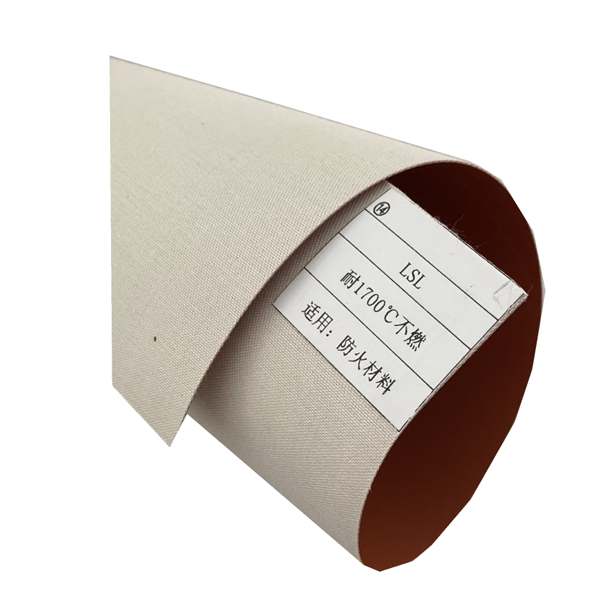
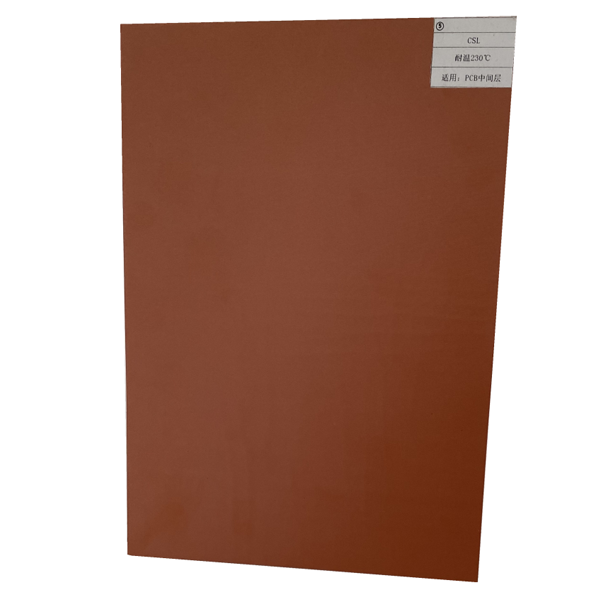
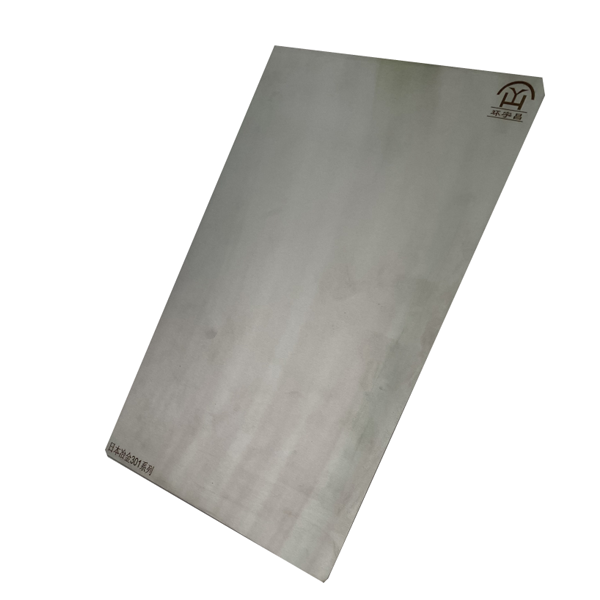
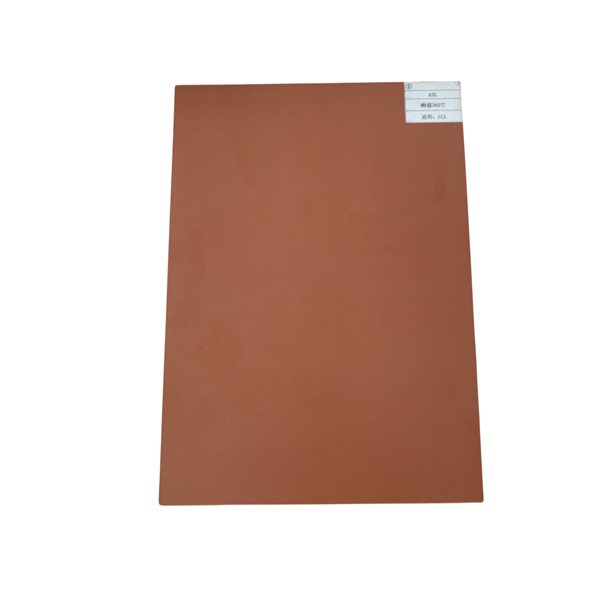
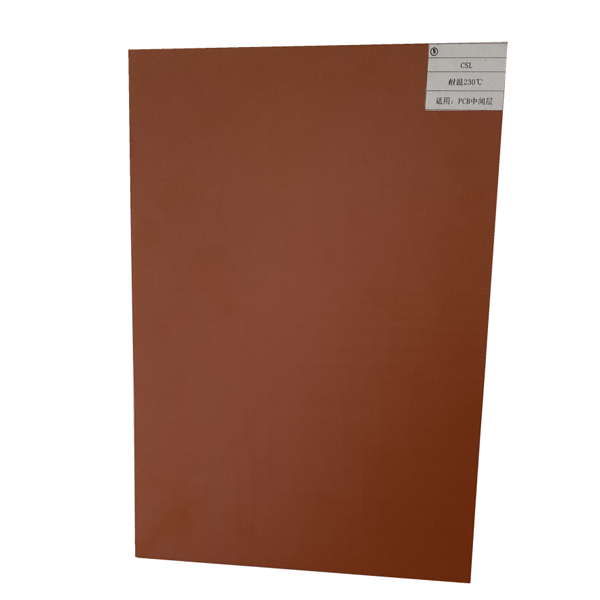
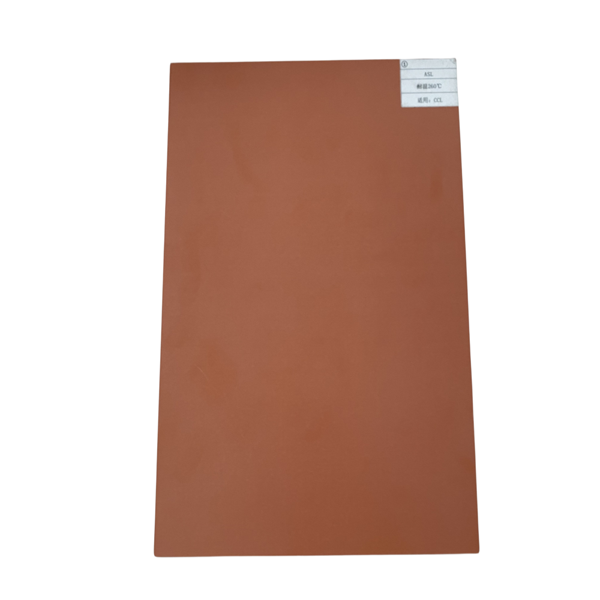
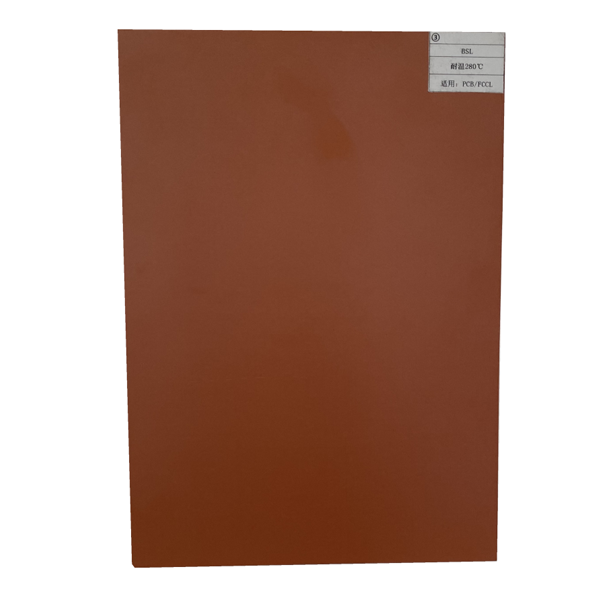
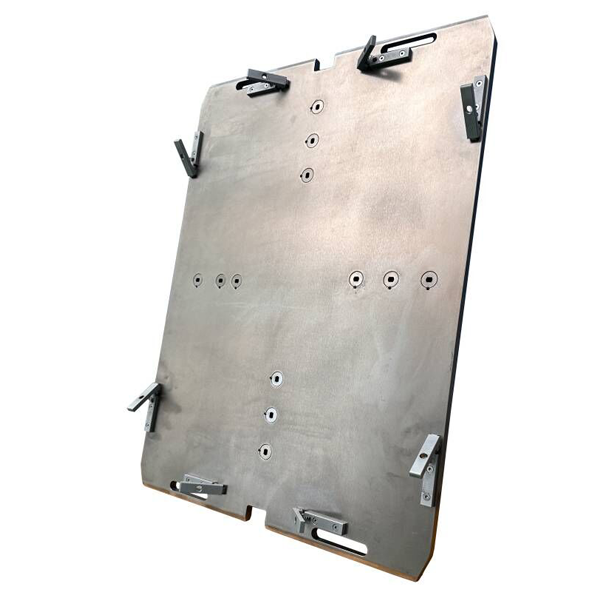
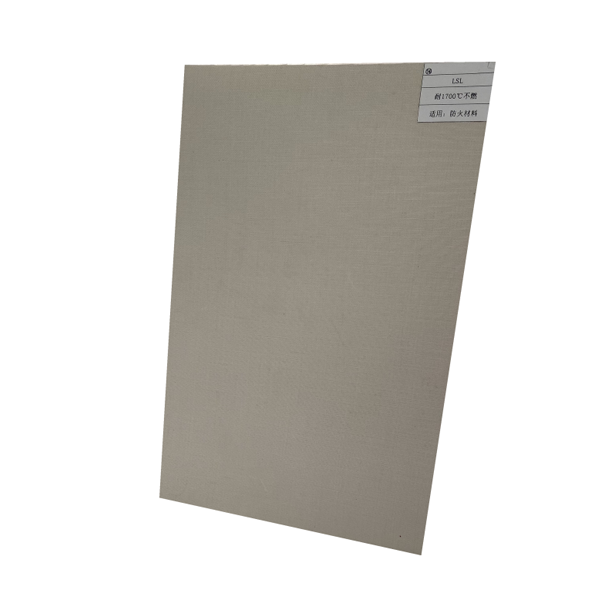
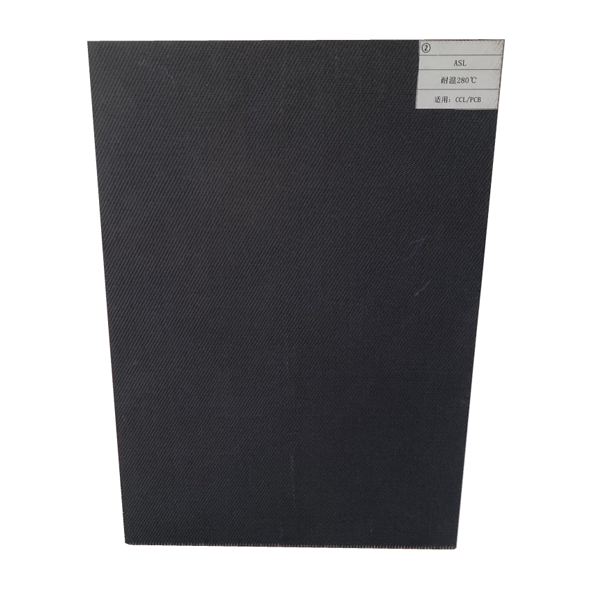
Overview and application areas of release film
Release film is a functional film with special surface treatment, which is widely used in PCB pressing process, composite molding, adhesive products and other industrial fields. As a professional press-fit cushion product manufacturer, we understand the importance of release film in the PCB manufacturing process.
In the pressing process of multilayer printed circuit boards (PCBs), release films mainly play a key role in isolation and protection, preventing sticking, and ensuring surface leveling. High-quality release film can significantly improve the yield rate of PCB products, reduce production costs, and is an indispensable auxiliary material for modern PCB manufacturing.
The core performance characteristics of the release film
Excellent release performance
High-quality release film has a stable release force, which can ensure that it does not stick to the resin system during the pressing process at high temperature and pressure, and at the same time can ensure smooth peeling after pressing. Our release film products undergo special surface treatment, and the release force is controlled in the range of 5-50g/cm² to meet different process needs.
High temperature resistance
The temperature during PCB pressing usually reaches 180-220°C, so the release film must have excellent high-temperature resistance. We use special substrates and coating processes to produce release films that can withstand high temperatures of 230°C for a long time and even extreme conditions of 260°C in the short term.
Good dimensional stability
Under the temperature change environment, the dimensional stability of the release film directly affects the flatness of the PCB product. The coefficient of thermal expansion (CTE) of our products is controlled within 20ppm/°C, ensuring dimensional stability throughout the pressing process and avoiding PCB surface unevenness caused by film deformation.
Main types and choices of release film
Classification by substrate
Common release films on the market are mainly divided into the following substrate types:
PET release film: the most commonly used type, with good mechanical strength and temperature resistance
PE release film: good flexibility, suitable for pressing needs of special shapes
PI release film: ultra-high temperature resistant type, suitable for special high temperature processes
Fluorine release film: It has excellent chemical resistance and release properties
Classification by surface treatment
According to different surface treatment processes, release films can be divided into:
Silicone oil release film: traditional type, lower cost
Silicone-free release film: avoids silicon transfer contamination and is suitable for high-end applications
Functional coating release film: with special surface properties, such as antistatic, etc
Select the guide
Choosing the right release film should consider the following factors:
Compression process temperature range
Resin system characteristics
Product surface quality requirements
Cost-benefit ratio
Environmental protection requirements
Our technical team can provide professional selection advice and technical support according to the specific needs of customers.
Application of release film in PCB pressing
Application in pressing of multi-layer plates
In the process of pressing multilayer PCBs, the release film is usually placed between the platen and the copper foil and plays the following roles:
Prevents resin from sticking to the platen
Protect the copper foil surface from scratches
Regulates heat transfer uniformity
Ensures surface finish after pressing
Applications in special PCB manufacturing
For special types of PCBs, the choice of release film is more critical:
HDI boards: Release films with ultra-high flatness are required
High frequency plates: materials that require low dielectric loss
Flexible board: A special flexible release film is required
Thick copper plates: Reinforced release films that are resistant to high pressure are required
Use and maintenance of release film
How to use it correctly
To ensure the best results, when using release films, attention should be paid to:
Keep the working environment clean and avoid contaminating the film surface
Control proper tension and alignment accuracy
Follow the recommended temperature and pressure parameters
Avoid folding and mechanical damage
Storage and maintenance
The storage conditions of the release film directly affect its performance:
Recommended storage temperature: 15-25°C
Relative humidity: 40-60%
Avoid direct sunlight
Store flat to avoid heavy pressure
We recommend that customers establish a release film usage file to record the number of times each roll of film is used, process parameters and performance changes so that it can be replaced in time.
Industry development trends
With the development of the electronics industry in the direction of high density and high performance, release film technology is also constantly innovating:
Material innovation
Develop substrates with higher temperature resistance
Research environmentally friendly degradable and dissociative membranes
Application of nanocoating technology
Feature enhancements
Multifunctional composite release film
Intelligent release force adjustment technology
Higher precision surface treatment
Process optimization
More precise coating technology
Online quality monitoring system
Customized solutions
As a professional manufacturer of press-fit cushioning products, we will continue to invest in research and development to provide customers with better and more professional release film products and solutions, and help the PCB industry make technological progress and improve quality.
