

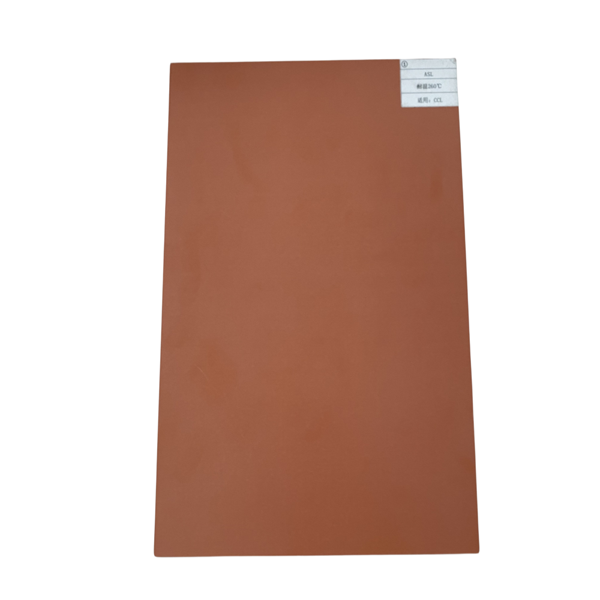
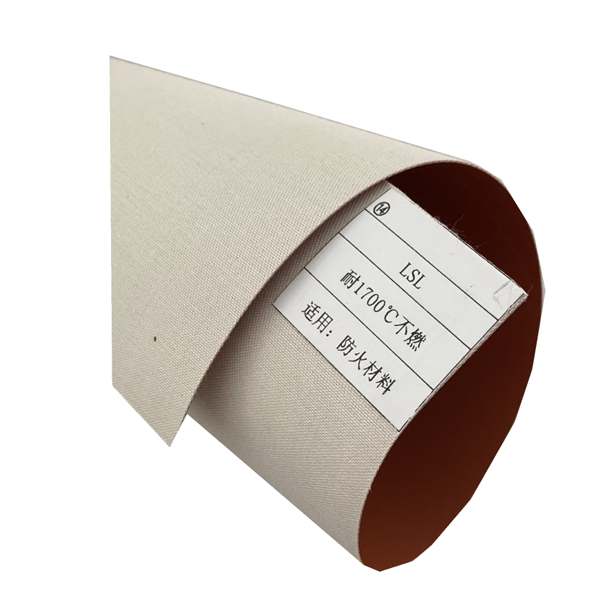
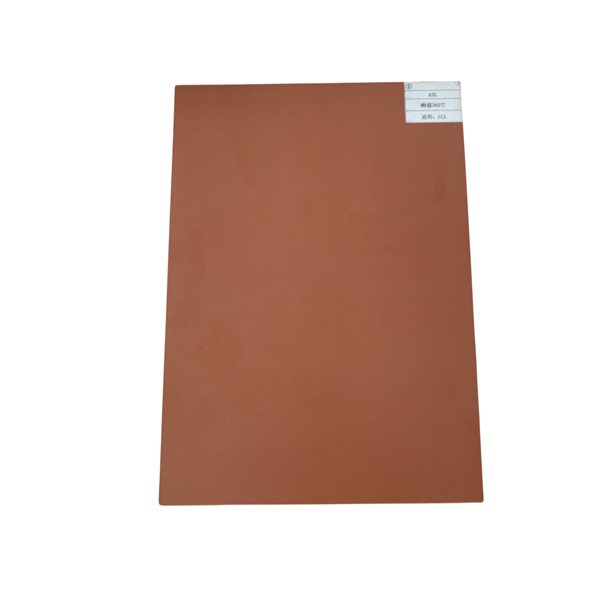
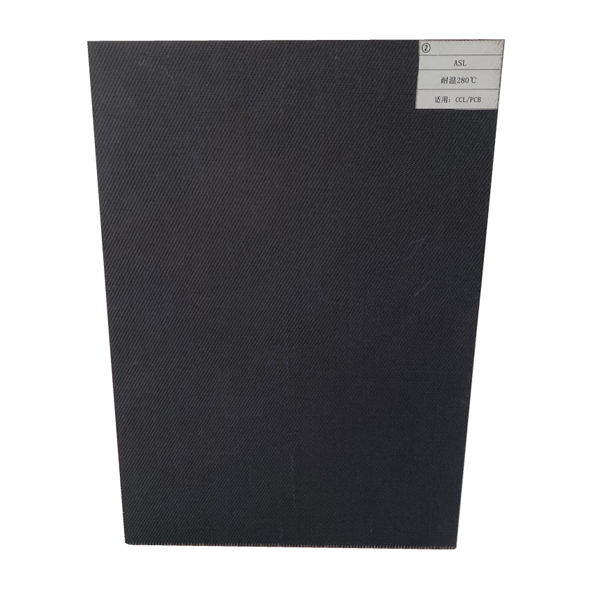
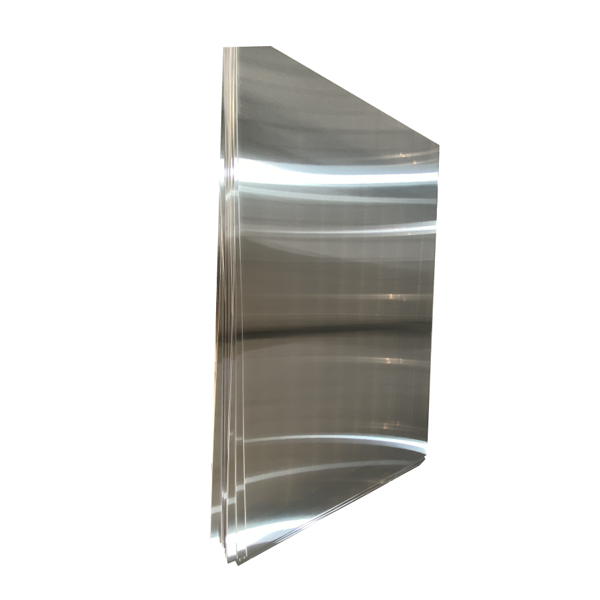
In modern printed circuit board (PCB) manufacturing processes, the lamination process is a core step in achieving stable multilayer board structures and reliable electrical performance. As an important auxiliary material in this process, lamination buffer materials, although not directly forming the final product, play an irreplaceable role in ensuring lamination quality and improving product yield.
I. The Key Role of Lamination Buffer Materials in PCB Manufacturing
PCB lamination cushioning material typically refers to a special material layer placed between the mirror steel plate and the PCB laminated stack during the high-temperature and high-pressure lamination process. Its main functions are reflected in the following three core aspects:
Even distribution and compensation of pressure and heat
The thermal pressing plate and mirror steel plate of the laminator have microscopic unevenness, and the laminated stack composed of inner core boards and pre-impregnated sheets (PP) also has thickness tolerance. The cushioning material, through its compressibility and rebound properties, can effectively compensate for these microscopic differences, ensuring even distribution of pressure and thermal energy across the entire board surface. This directly relates to the uniformity of the dielectric layer thickness, the adequacy of resin filling, and the firmness of interlayer bonding, which is key to avoiding defects such as local voids and poor adhesion.Protecting the precision circuitry and providing release function
Under temperatures above 200°C and hundreds of psi pressure, the buffer material acts as a flexible barrier to prevent hard steel plates from direct contact and damage the precise etched circuit patterns. At the same time, high-quality materials can effectively absorb and contain minor overflow of molten resin, preventing it from adhering to expensive mirror steel plates, thus playing an important release protection role, extending the service life of the main tooling and reducing downtime for cleaning.Adaptation to different processes and product requirements
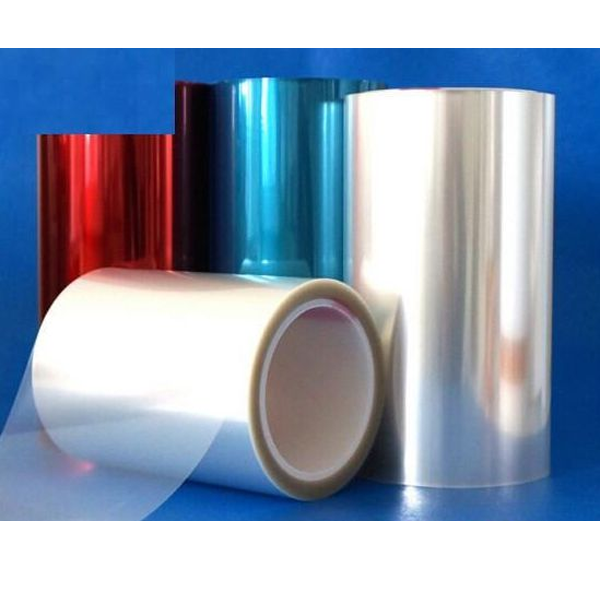
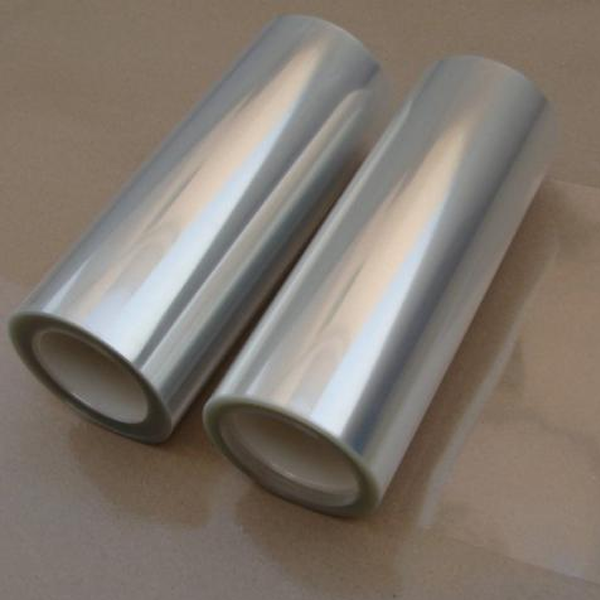
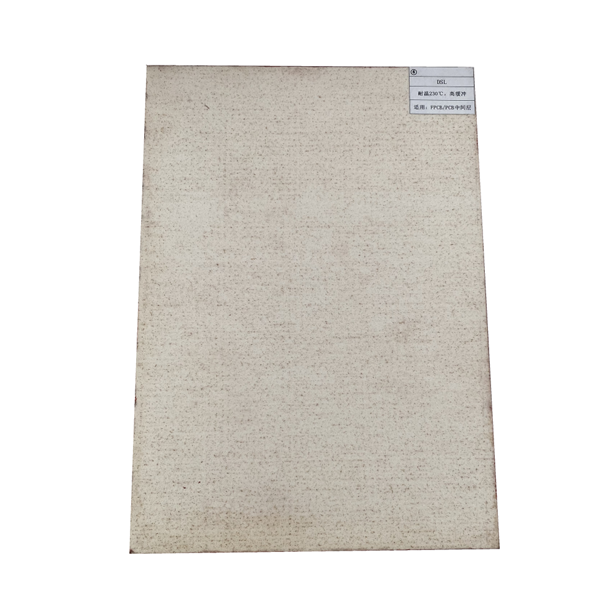
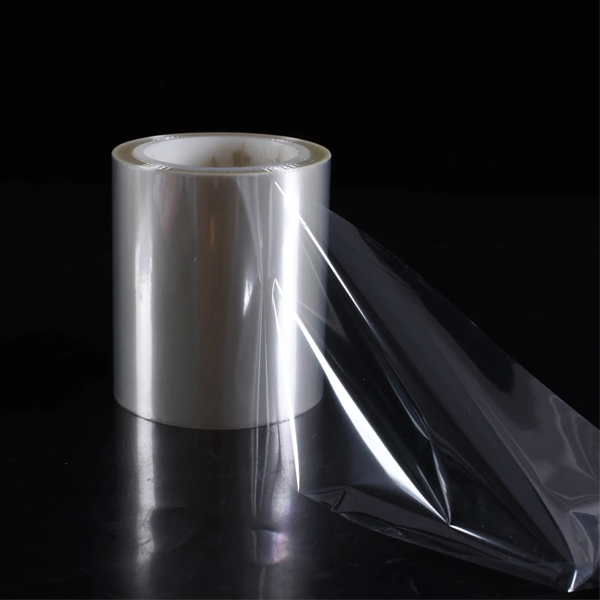
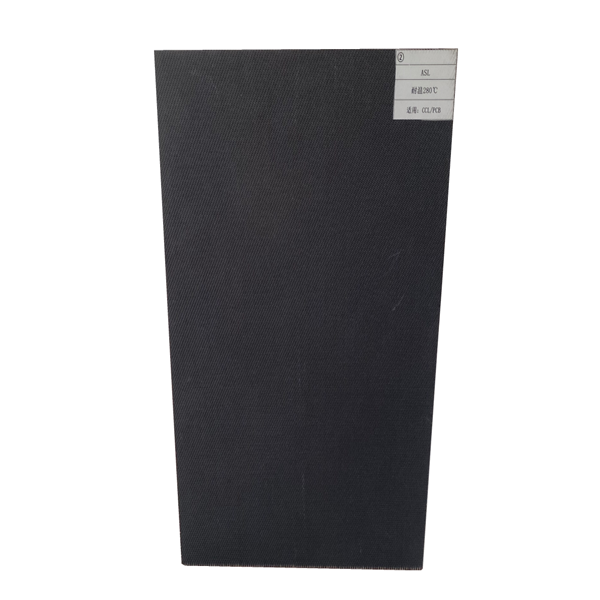
With the development of PCB technology, buffer materials have evolved into various types, such as silicone buffer pads, composite fiber pads, and special release films, to meet specific requirements of different processes (such as vacuum lamination and traditional lamination) and different products (such as high multi-layer boards, HDI boards, carrier boards, and rigid-flex boards) regarding parameters such as thermal expansion coefficient, heat resistance, hardness, and volatile content.
II. Core dimensions for evaluating professional buffer material manufacturers
Selecting the appropriate supplier for PCB lamination buffer materials requires a comprehensive evaluation beyond simple price comparison, considering technical capabilities, quality systems, and service support, among other aspects.
R&D and Formula Design Capabilities
Manufacturers with independent R&D capabilities are worth considering. This is reflected in their deep understanding of polymer science, enabling them to adjust and optimize material formulas according to different resin systems (such as FR-4, High-Tg, PPO, etc.), layer structures, and process windows. Providing detailed technical data sheets that include compression rate curves at different temperatures, thermogravimetric analysis, and changes in hardness are key indicators of technical strength. Some leading manufacturers can also offer collaborative process recommendations tailored to specific pre-preg materials.Precision Control in Production and Quality Stability
The lifeblood of industrial auxiliary materials lies in absolute stability between batches. It is crucial to examine whether the manufacturer has full automated control capabilities throughout the entire process, from raw material selection, mixing/composition, shaping and vulcanization to cutting and packaging. Attention should be paid to their production environment (such as dust-free workshops), process quality control points, and final product inspection standards, especially thickness uniformity, hardness tolerance, surface cleanliness, and dust-free packaging level.Application Technical Support and Experimental Verification Capability
An excellent supplier is not only a material provider but also a partner in process solutions. They should be able to offer comprehensive application technical support, including process consultation before use, parameter optimization suggestions during use, and even the ability to simulate the customer's actual lamination conditions (with experimental hot press machines) for testing and verification, helping customers quickly complete material integration and process standardization.Industry Reputation and Continuous Service Capability
Long-term stable supply to mid-to-high-end PCB manufacturers, especially those involved in automotive electronics, communication equipment, and high-end consumer electronics, serves as a strong endorsement of product quality and reliability. At the same time, the sustainability of the supplier's production capacity, stable supply capability, rapid response mechanisms, and technical support team are also crucial factors in ensuring the long-term stable operation of the production line.Environmental compliance and sustainable development
With global environmental regulations becoming increasingly stringent (such as RoHS, REACH, etc.), whether the material is low-volatile, pollution-free, recyclable, or compliant with other specific environmental directives has become a basic requirement for supply chain access. Responsible manufacturers will proactively provide relevant compliance declarations and test reports.
III. Conclusion
The selection of PCB lamination buffer materials is a far-reaching technical decision. It is not merely a matter of purchasing consumables, but a crucial aspect that affects the width of the lamination process window, product yield, and long-term production cost control. For PCB manufacturers, establishing a strategic partnership with professional buffer material suppliers who have a strong foundation in material science, a strict quality control system, and proactive service awareness means gaining a reliable guarantee to enhance core manufacturing capabilities and address future product technology challenges. It is recommended that relevant enterprises conduct thorough sample testing and small-scale validation based on their specific process routes and product positioning, in order to make scientific and cautious choices.
