

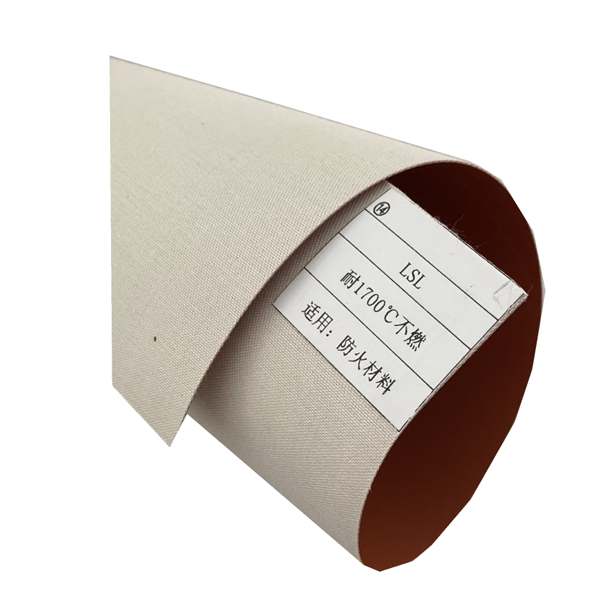
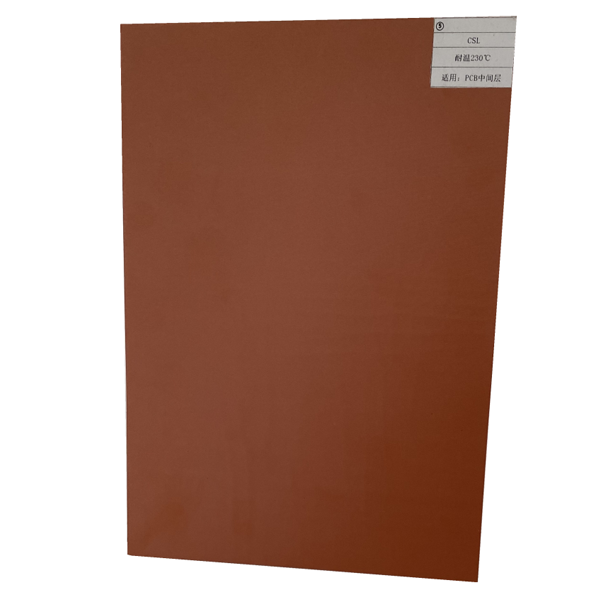
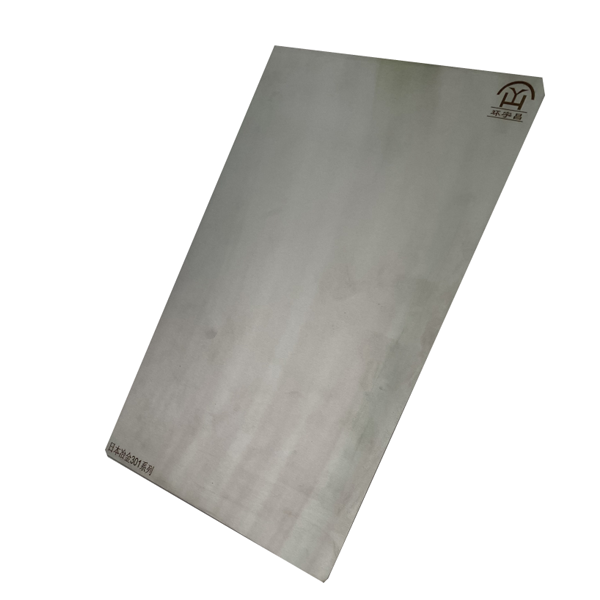
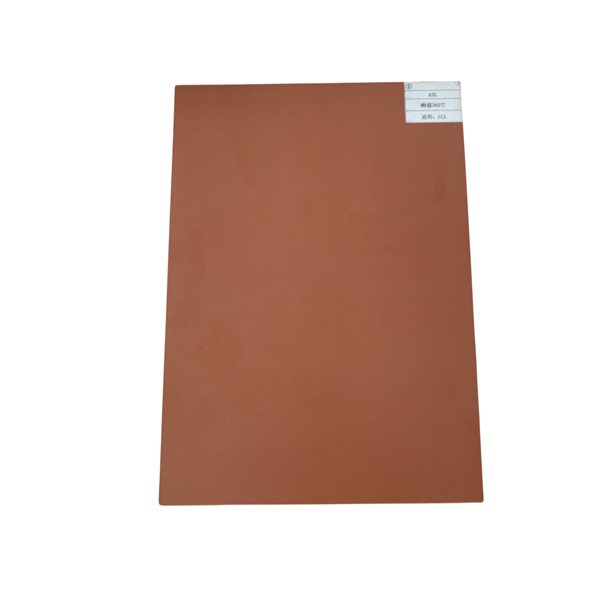
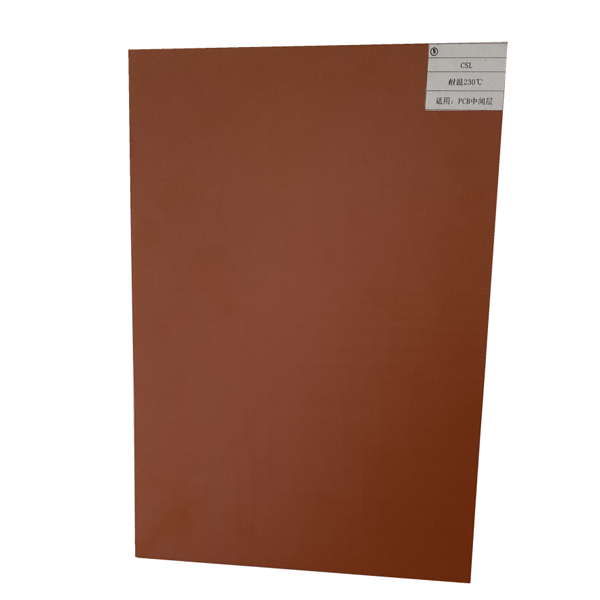
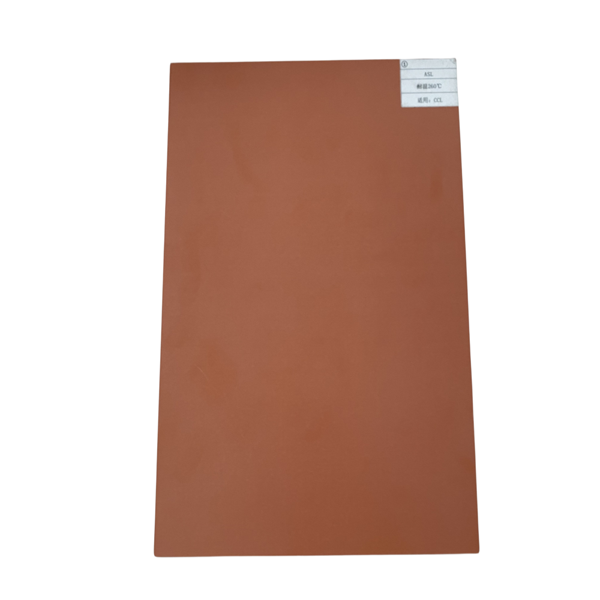
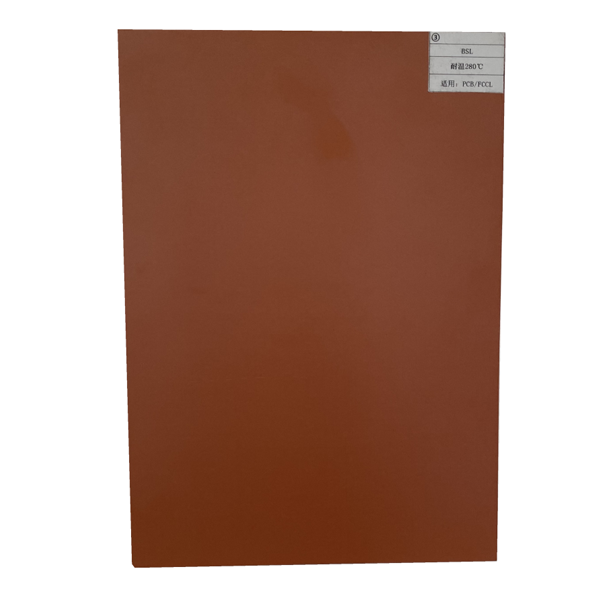
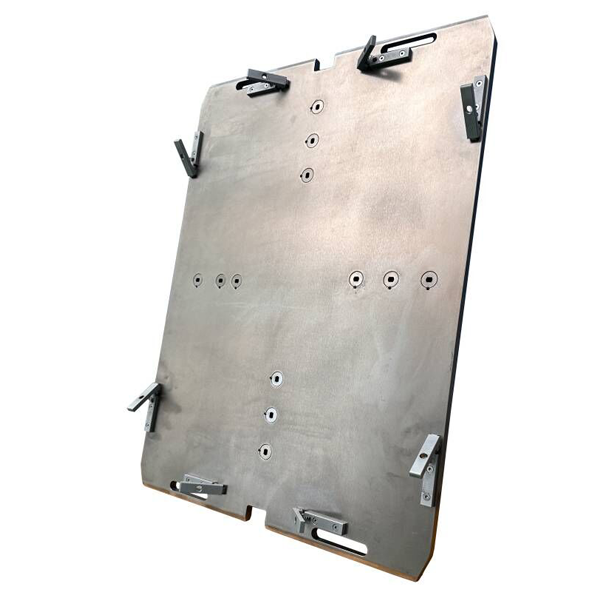
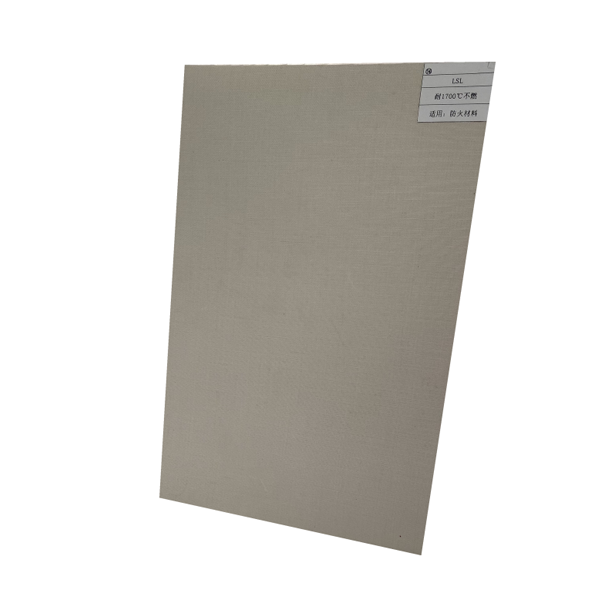
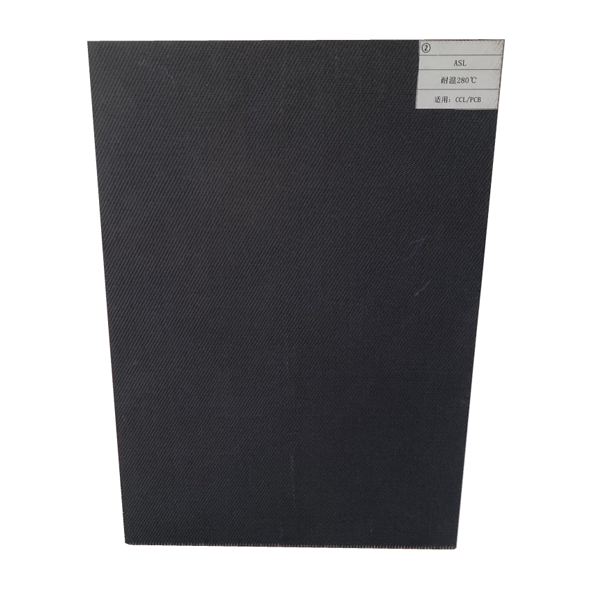
In the high-precision manufacturing process of printed circuit boards (PCB), the pressure cushion pad, though a seemingly minor auxiliary material, has an undeniable impact on the lamination quality and final performance of multilayer boards. The professional capabilities of manufacturers of such specialty materials directly affect the reliability and stability of downstream electronic products. This article will systematically explain the core functions of PCB pressure cushion pads and explore the professional aspects that should be considered when selecting qualified manufacturers.
The Core Function and Importance of PCB Lamination Buffer Pads
PCB Pressing Buffer Pads, also known as lamination buffer pads or release pads, are mainly used in the high-temperature and high-pressure lamination process of multilayer PCBs. Their main functions are reflected in the following aspects:
First, evenly transmitting pressure and heat. In the high-pressure environment of the laminator, buffer pads can compensate for the microscopic unevenness between the steel plate and the circuit board stack, ensuring even pressure distribution across the entire board surface and promoting uniform heat conduction. This is crucial for preventing poor adhesion caused by insufficient local pressure or line deformation and excessive resin flow due to excessive pressure.
Second, isolation and protection function. High-quality buffer pads can effectively prevent the overflow of resin from adhering to the pressing plates of the heat press machine, playing a key role in release. At the same time, they act as a flexible barrier to protect the delicate inner layers of the circuit and the copper foil from being damaged or leaving marks under high pressure.
Third, influence on the thickness and consistency of the dielectric layer. The compression and rebound characteristics of the buffer pad at high temperatures will directly affect the final thickness and consistency of the dielectric layer in multilayer boards (such as PP sheets). This is an important process control point for controlling impedance and ensuring signal integrity, especially in high-frequency and high-speed circuit designs.
Therefore, the performance of the buffer pad is far from insignificant. Parameters such as heat resistance, tear strength, hardness (Shore hardness), thickness uniformity, thermal compressibility, and release properties must be precisely matched with specific lamination processes and material systems.
How to evaluate and choose a professional buffer pad manufacturer
Facing numerous material suppliers on the market, how can one identify a manufacturer with strong technical capabilities and reliable products? The following are some key evaluation directions:
1. R&D and formula development capabilities
Manufacturers with independent R&D capabilities are usually more trustworthy. This is reflected in their deep understanding of basic materials (such as special silicone, fiber-reinforced materials, etc.), as well as their ability to adjust and optimize the buffer pad formula according to customers' different lamination processes (vacuum lamination, traditional lamination), types of pre-preg (PP) used, and final product requirements (such as high-frequency boards, HDI boards). Vendors that can provide detailed material data sheets (TDS) and key performance curves (such as temperature-pressure-deformation curves) often have more rigorous process control.
2. Precise Process Control
Stability is the lifeline of industrial materials. A superior manufacturer should have a highly automated production line and implement strict process quality control throughout the entire production process, from raw material storage, mixing, shaping, vulcanization, cutting to final inspection. The level of control over indicators such as thickness tolerance, hardness uniformity, and surface cleanliness directly determines the consistency between product batches.
3. Detection and Experimental Support Capabilities
In addition to routine physical and chemical performance testing, manufacturers who possess experimental presses capable of simulating actual lamination conditions and can offer customers pressure testing services and process parameter recommendations provide greater added value. This collaborative development capability helps customers to quickly introduce and optimize production.
4. Industry Reputation and Case Accumulation
A manufacturer's cooperation history and reputation with companies in the PCB industry, especially those producing high-end multilayer boards and packaging substrates, serve as strong evidence of its capabilities. Long-term service to well-known customers usually indicates that its products have undergone rigorous production validation.
With the trend of PCB manufacturing moving toward higher density and higher performance, every process detail is worth thorough investigation. As the "unsung hero" of the lamination process, the quality of the lamination buffer pad is of great importance. Choosing a buffer pad manufacturer with solid technical capabilities, stable quality, and professional service is not just about purchasing a raw material, but also a strategic investment in the yield and long-term reliability of one's own products. It is recommended that relevant enterprises evaluate comprehensively based on their own process requirements through technical communication, sample testing, and small-scale trial production, in order to establish a stable and reliable supply chain collaboration relationship.
