

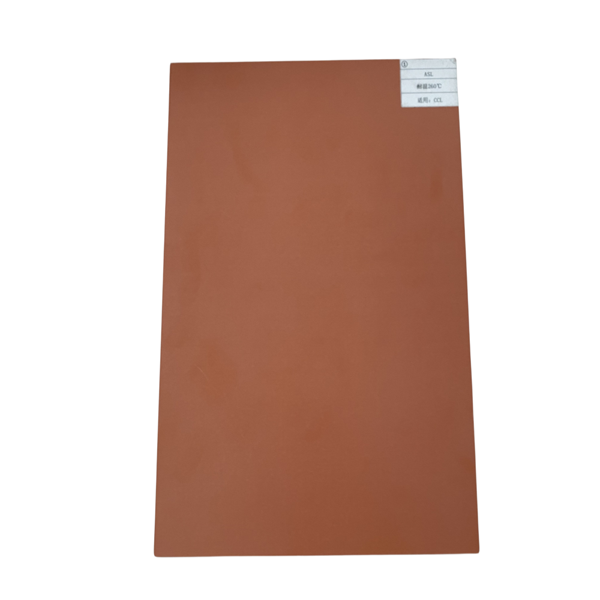
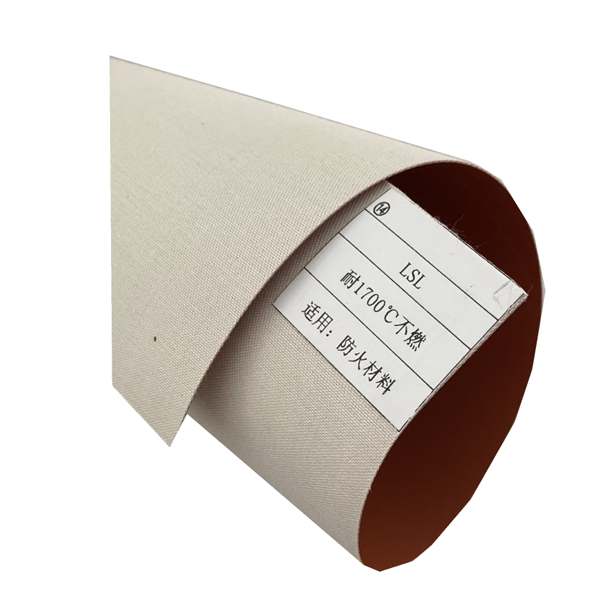
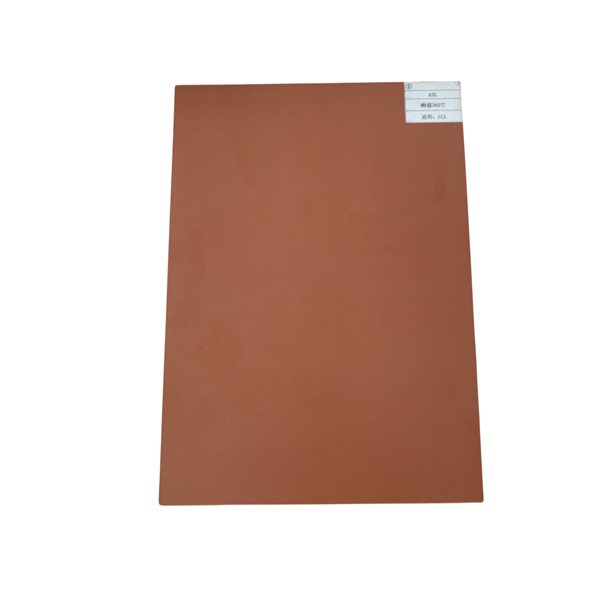
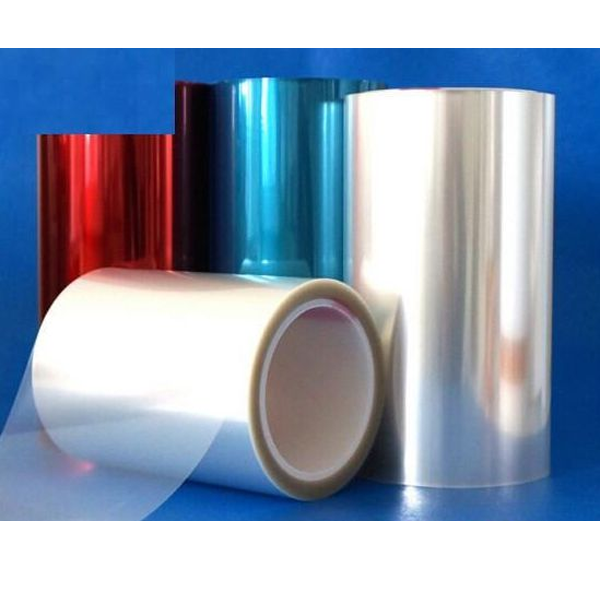
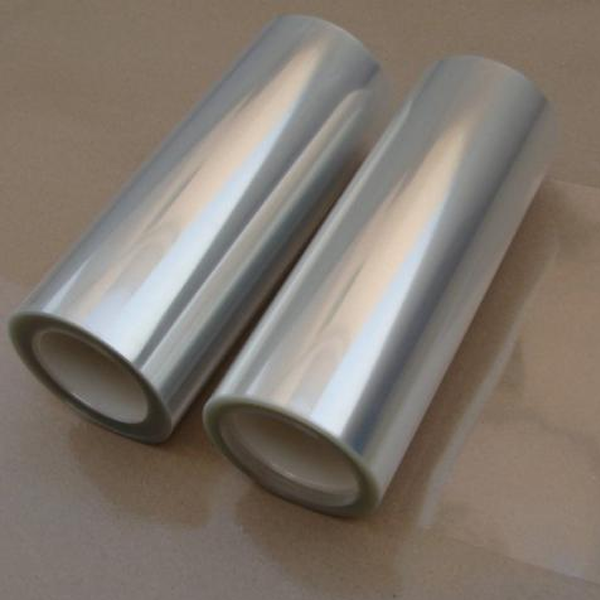
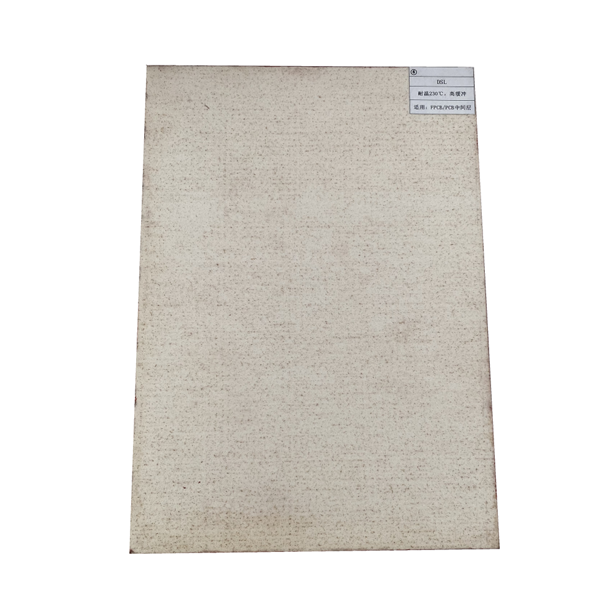
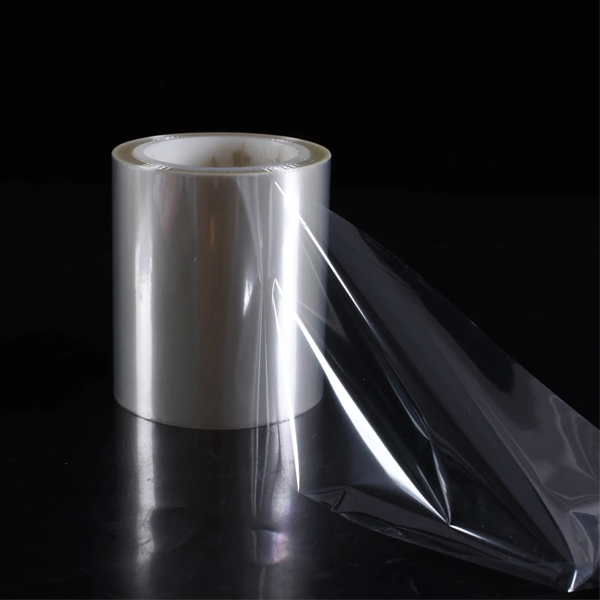
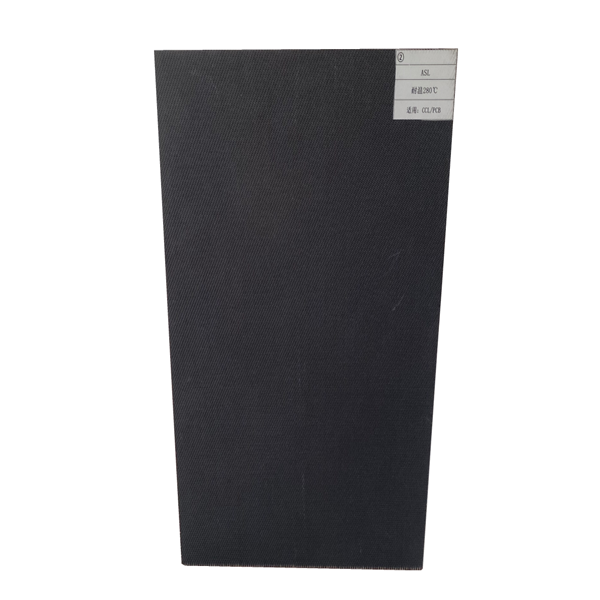
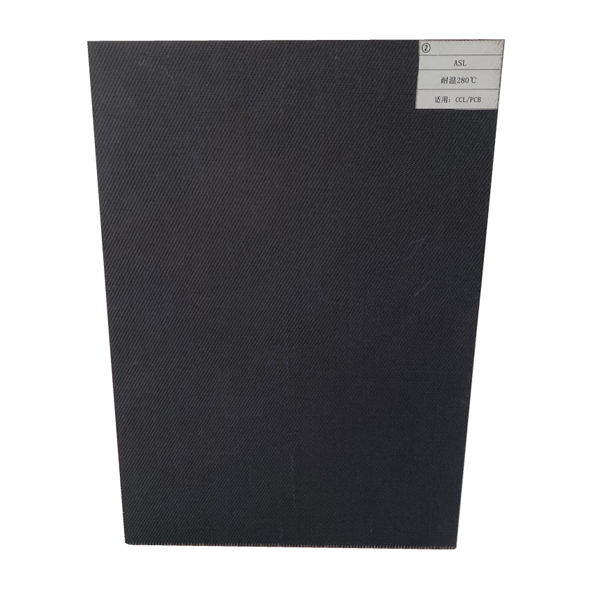
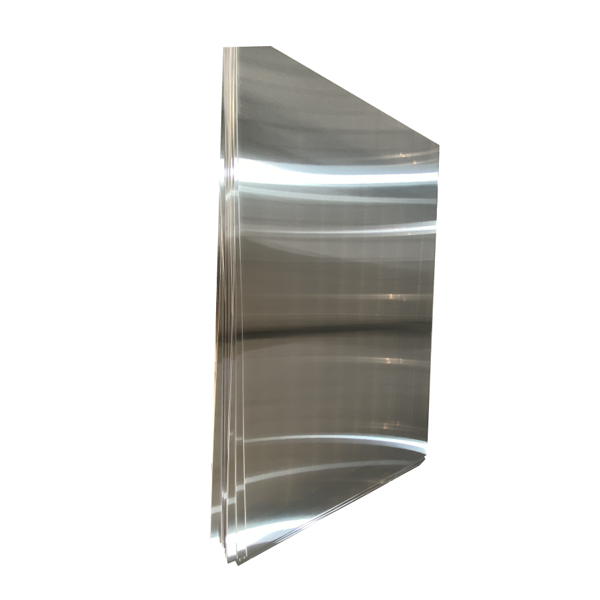
In the PCB production process, the pressing process is a crucial part, and the pressing buffer is a key consumable in the pressing process, and its performance directly affects the yield rate of the PCB board. However, many PCB manufacturers often ignore the importance of cushioning, resulting in a yield rate that has never been able to break through the 85% bottleneck, or even lower!
Are you also facing the following dilemma?
Invest a lot of manpower and material resources in process optimization, but the yield rate has always hovered?
Frequent problems such as skateboarding, warping, and layering have occurred, resulting in a large number of scraps?
Trying to replace different brands of cushioning but still can't find the right solution?
These problems are most likely due to the substandard performance of the cushioning you are using!
Inferior cushioning is the "invisible killer" of yield rate!
Insufficient temperature resistance: In a high-temperature and high-pressure pressing environment, inferior cushioning pads are prone to softening and deformation, resulting in uneven pressure distribution, resulting in undesirable phenomena such as sliding and warping.
Poor resilience: The buffer pad with poor resilience cannot effectively absorb the stress during the pressing process, which can easily cause fractures in the inner layer of the PCB board or wrinkles in the copper foil, affecting the electrical performance.
Uneven thickness: Excessive thickness deviation of the cushion will lead to uneven distribution of pressing pressure, and excessive or too small local pressure will affect the pressing quality, leading to problems such as delamination and bubbles.
High Impurity Content: Inferior cushioning may contain impurities such as metal particles, which can scratch the surface of the PCB board during the pressing process, affecting its appearance and performance.
How to choose a high-quality PCB pressing cushion to break through the bottleneck of yield rate?
Choose high-temperature resistant materials: Ensure that the cushioning pads maintain stable physical properties in high-temperature and high-pressure environments to avoid softening and deformation.
Excellent resilience: It can effectively absorb pressing stress, protect the PCB board's inner wiring and copper foil, and prevent fractures and wrinkles.
High-precision thickness control: Ensure that the thickness of each cushion pad is uniform and consistent, ensuring that the pressing pressure is evenly distributed, and avoiding local pressure abnormalities.
Strict Impurity Control: High-purity raw materials and advanced production processes are used to ensure that the buffer pads are free of impurities such as metal particles to avoid scratching the PCB board.
Our company focuses on the R&D and production of high-performance PCB pressing cushioners, and is committed to providing customers with high-quality solutions:
Self-developed polymer materials: have excellent temperature resistance, resilience and dimensional stability, ensuring stable and reliable pressing quality.
Advanced Production Process: High-precision coating and slitting equipment is used to ensure that the thickness of each cushion is uniform and consistent, with tolerances controlled within ±0.01mm.
Strict quality control system: From raw materials to finished products, each process undergoes strict quality testing to ensure stable and reliable product performance.
Professional technical service team: Provide customers with a full range of technical support and solutions to help customers solve various problems in the pressing process.
Choose us, it is to choose high quality, it is to choose high yield rate!
Don't let low-quality cushioning be a stumbling block to your yield rate. Contact us today for more product information and free samples to experience the difference that high-performance cushioning can make!
